
african traditional & diasporic religions
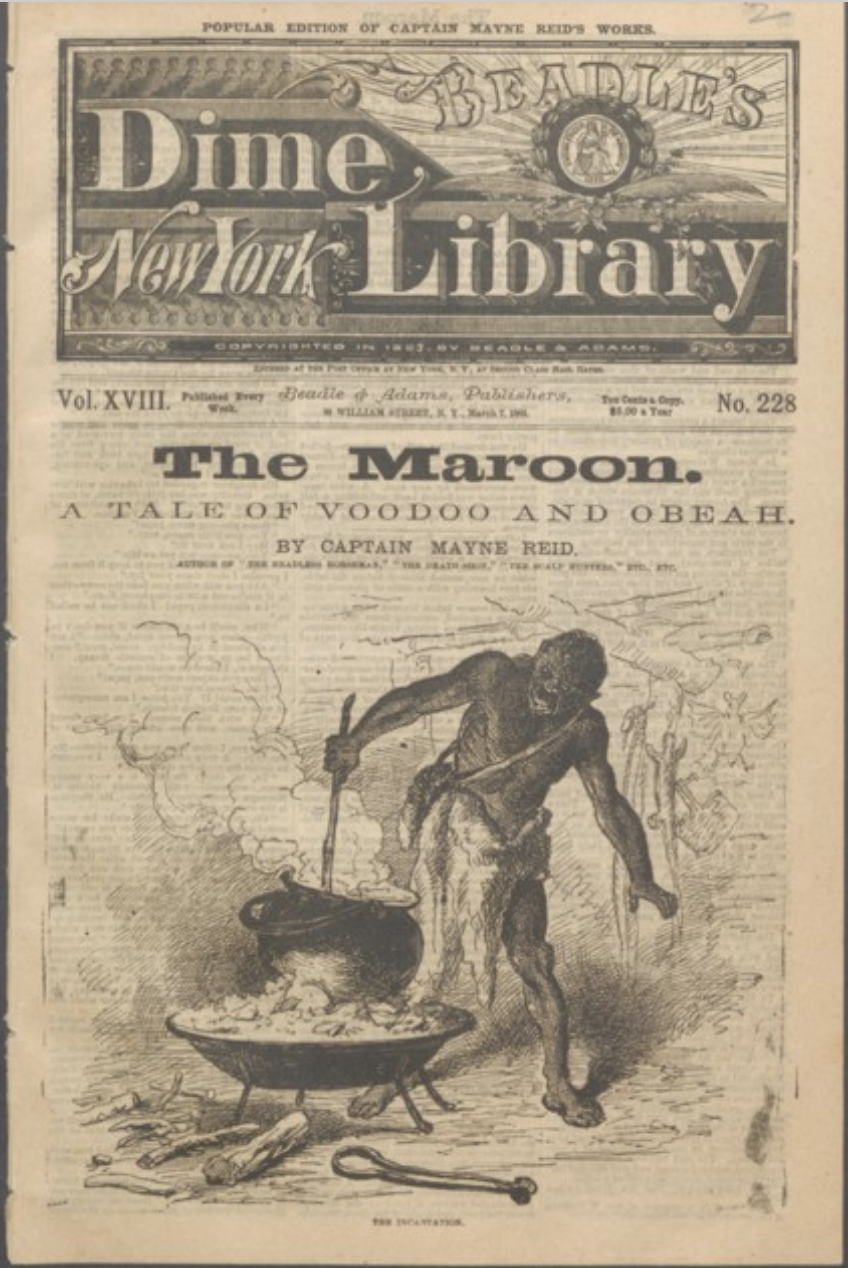
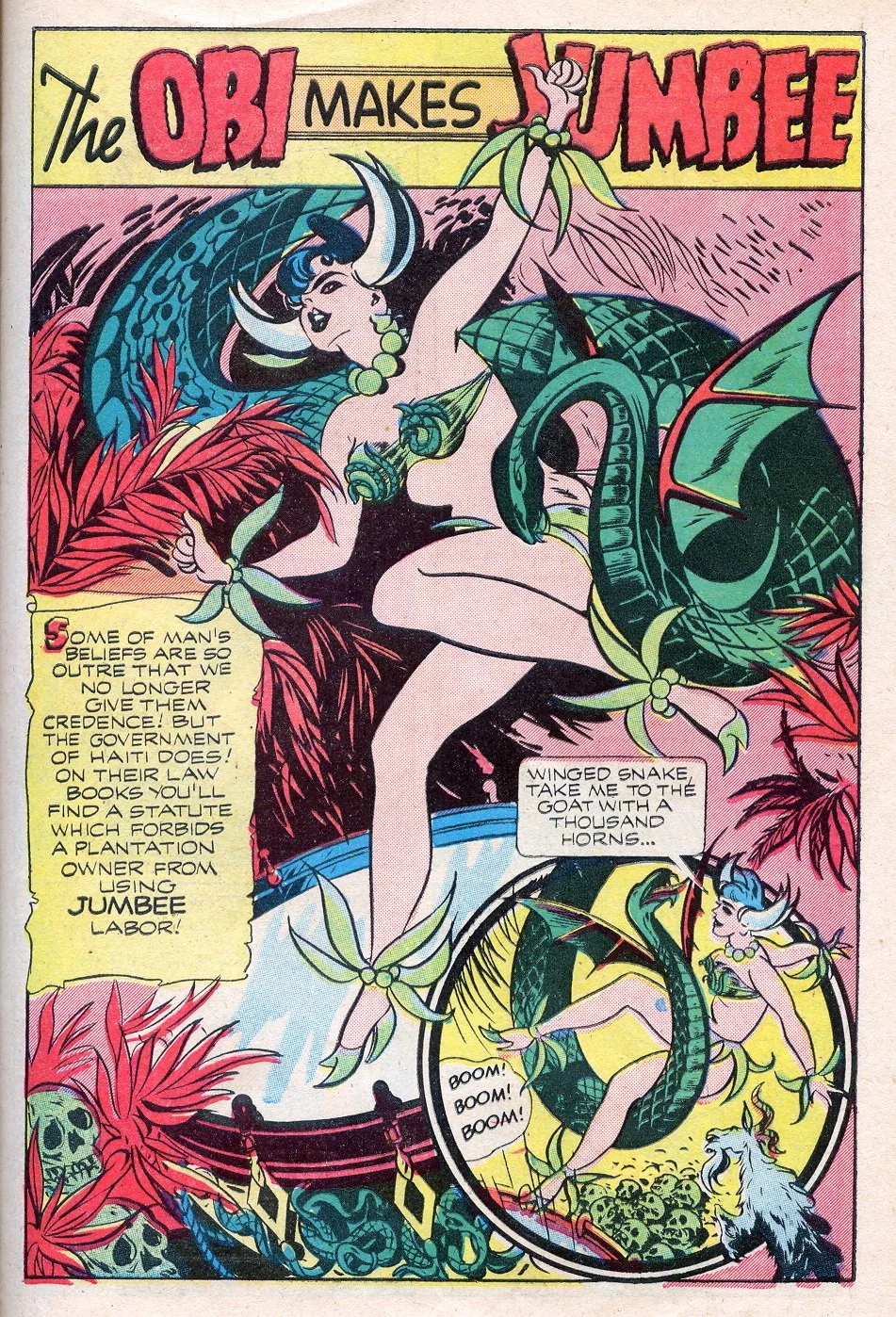
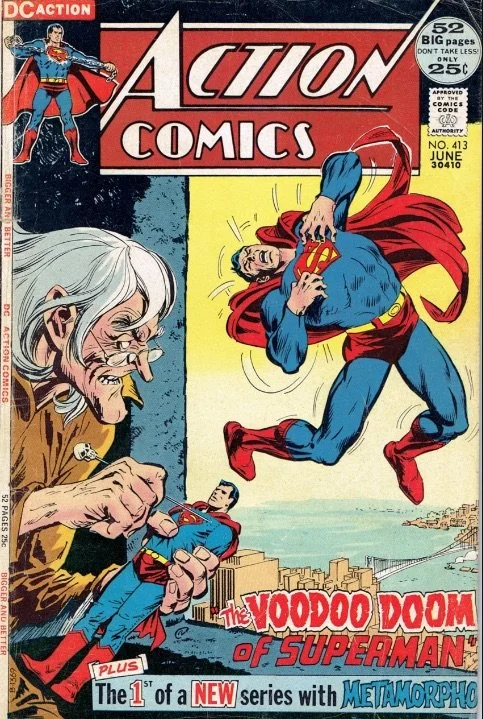
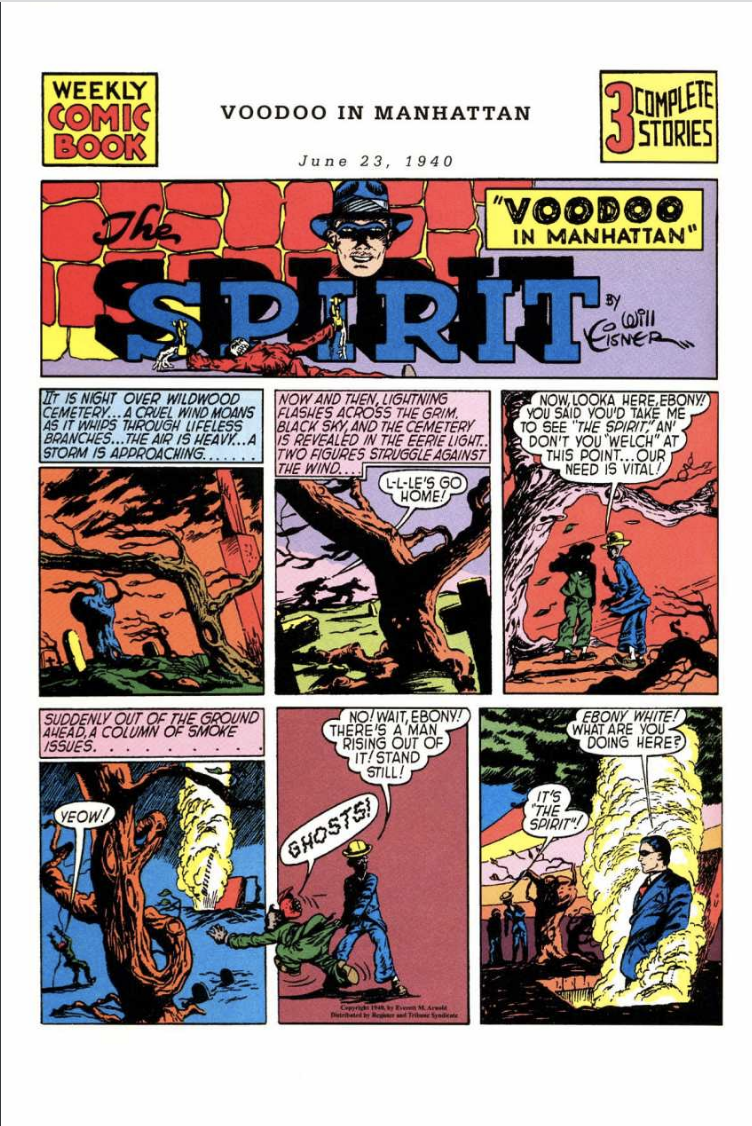
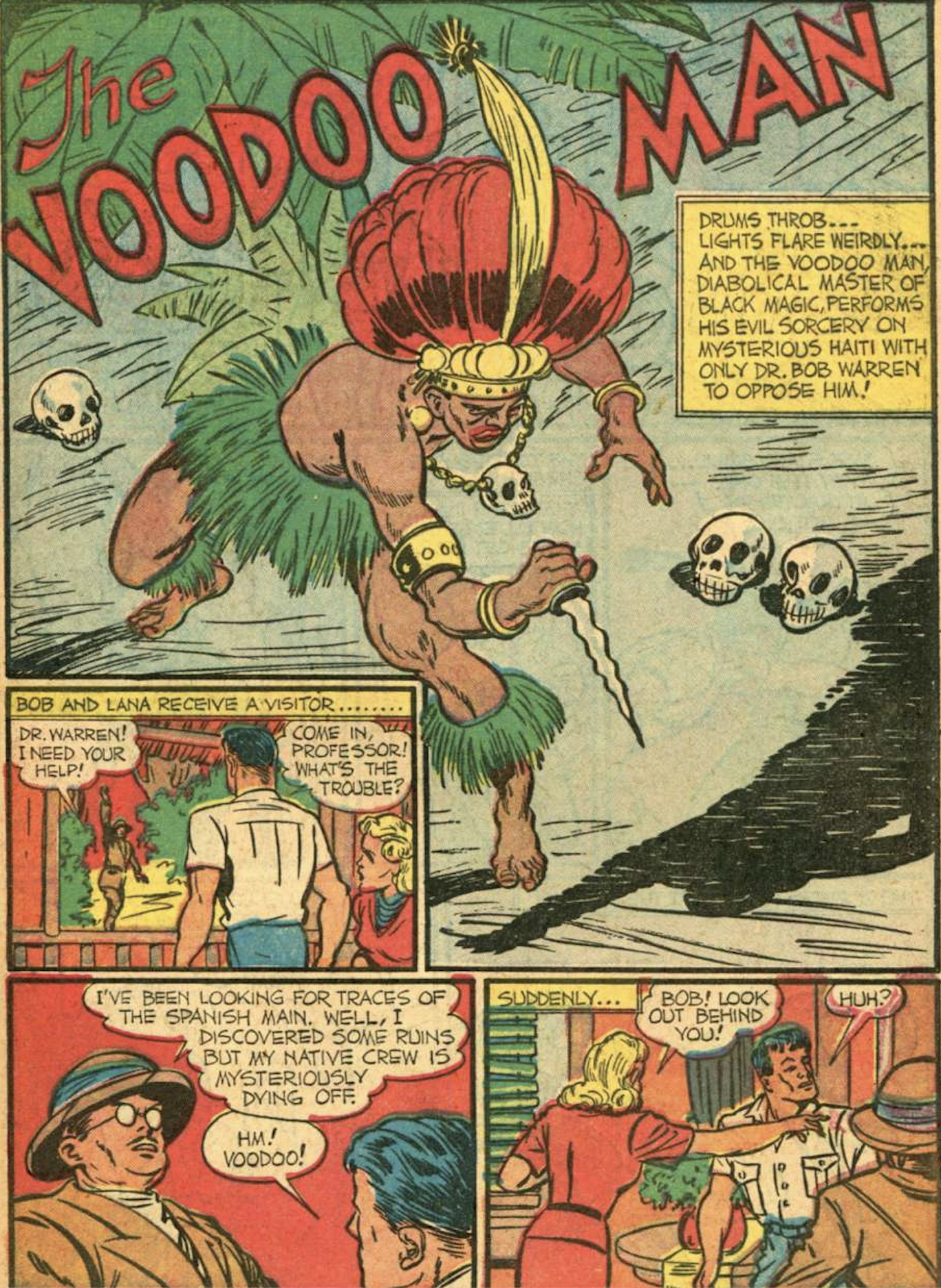
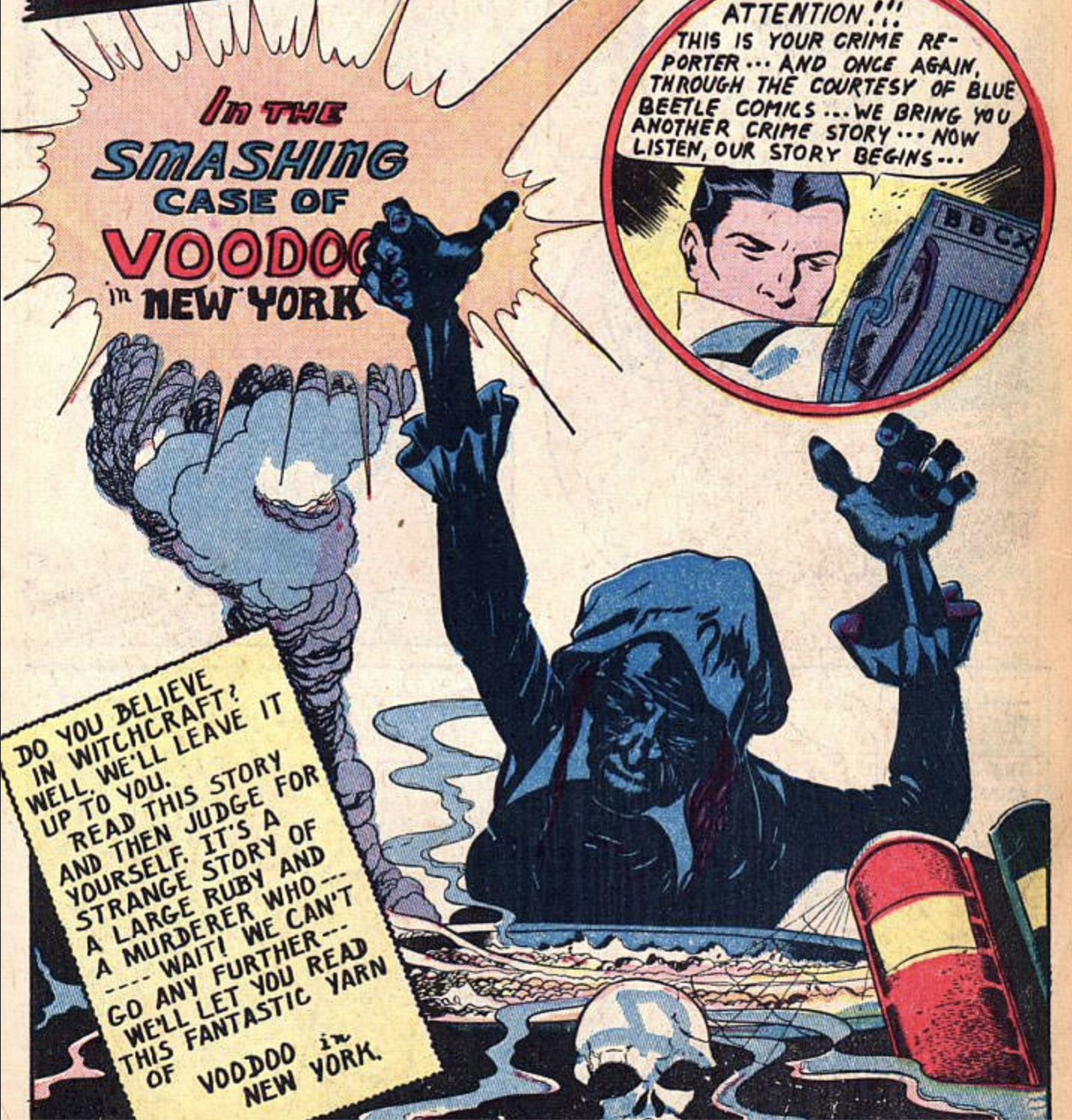
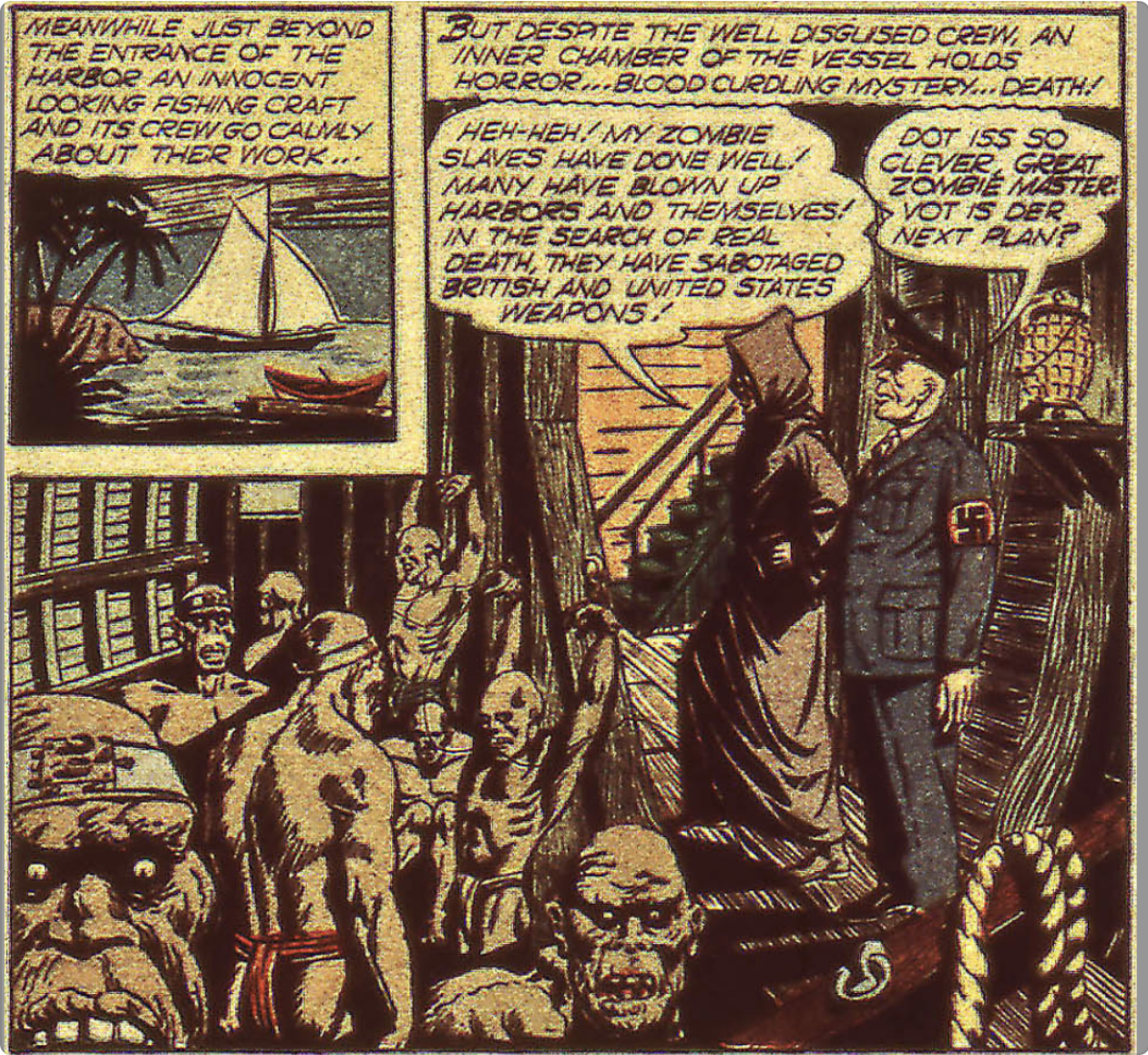
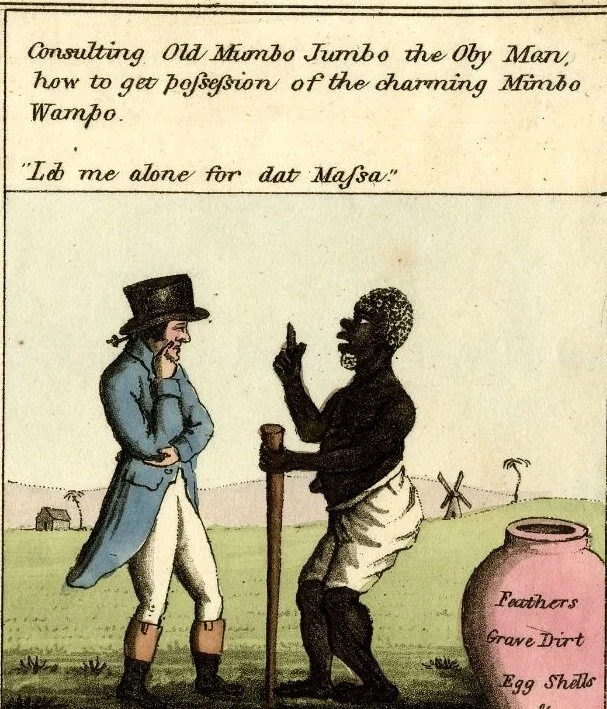
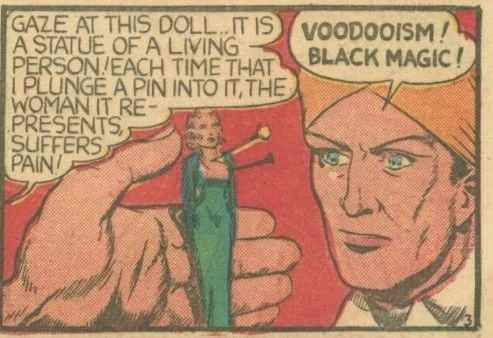
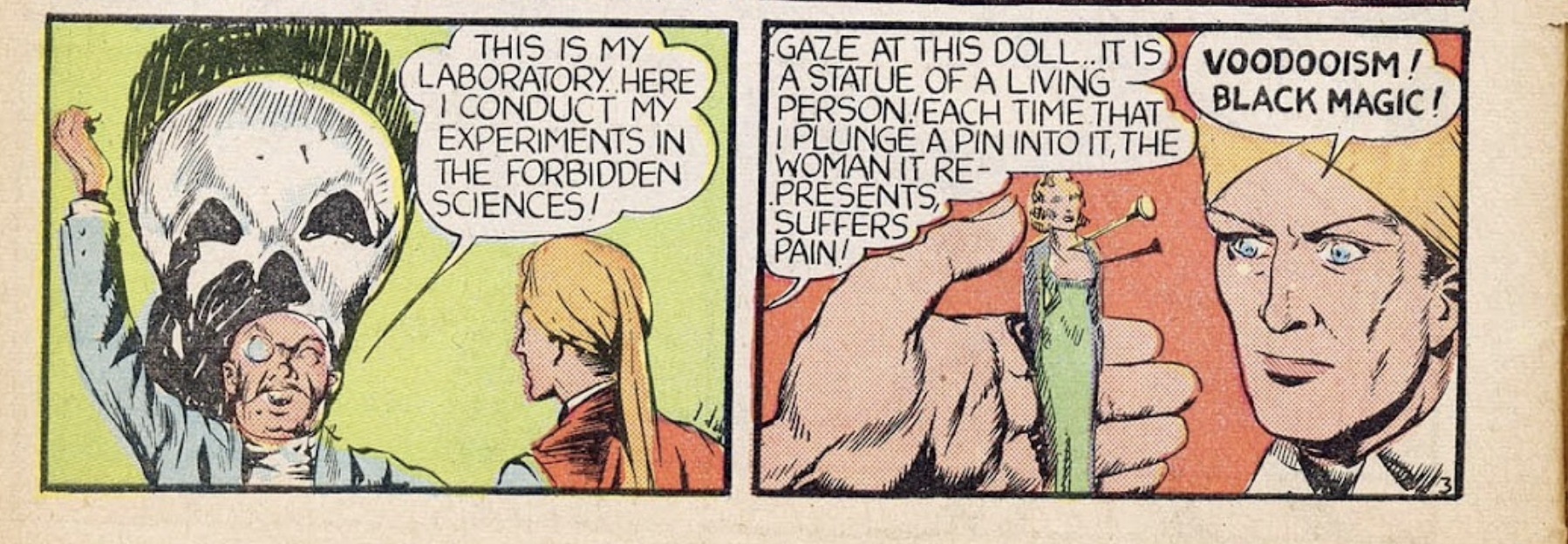
Diasporic religions—African derived Orisa traditions, Obeah, and Haitian Vodou—have been represented through the cartoon and comics form as far back as the 19th century. Negative perceptions entered into these mass media portrayals at an early point. Later, in the US, these religions were viewed as exotic and strange, with foreign gods, foreign practices, and hailing from foreign places.
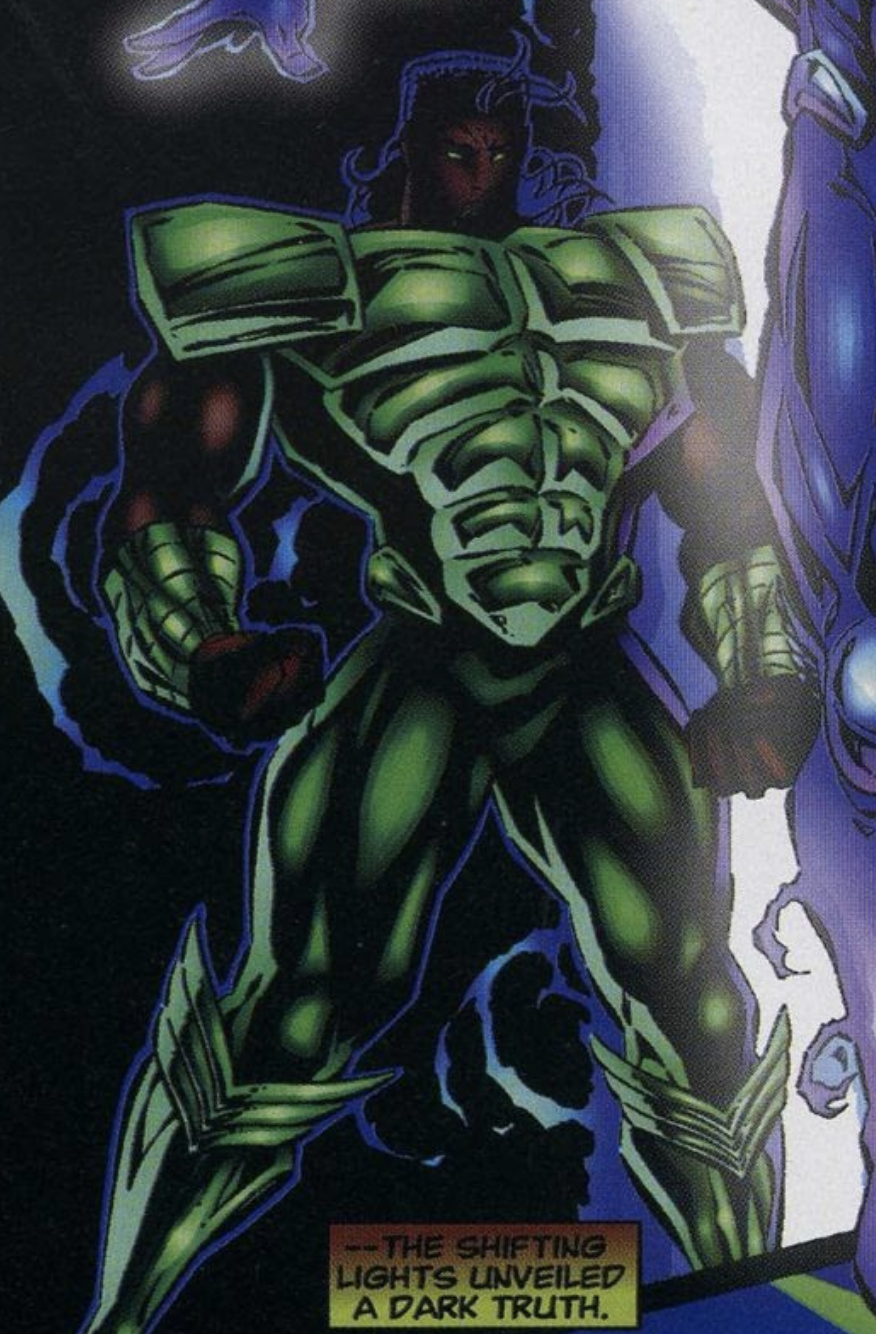
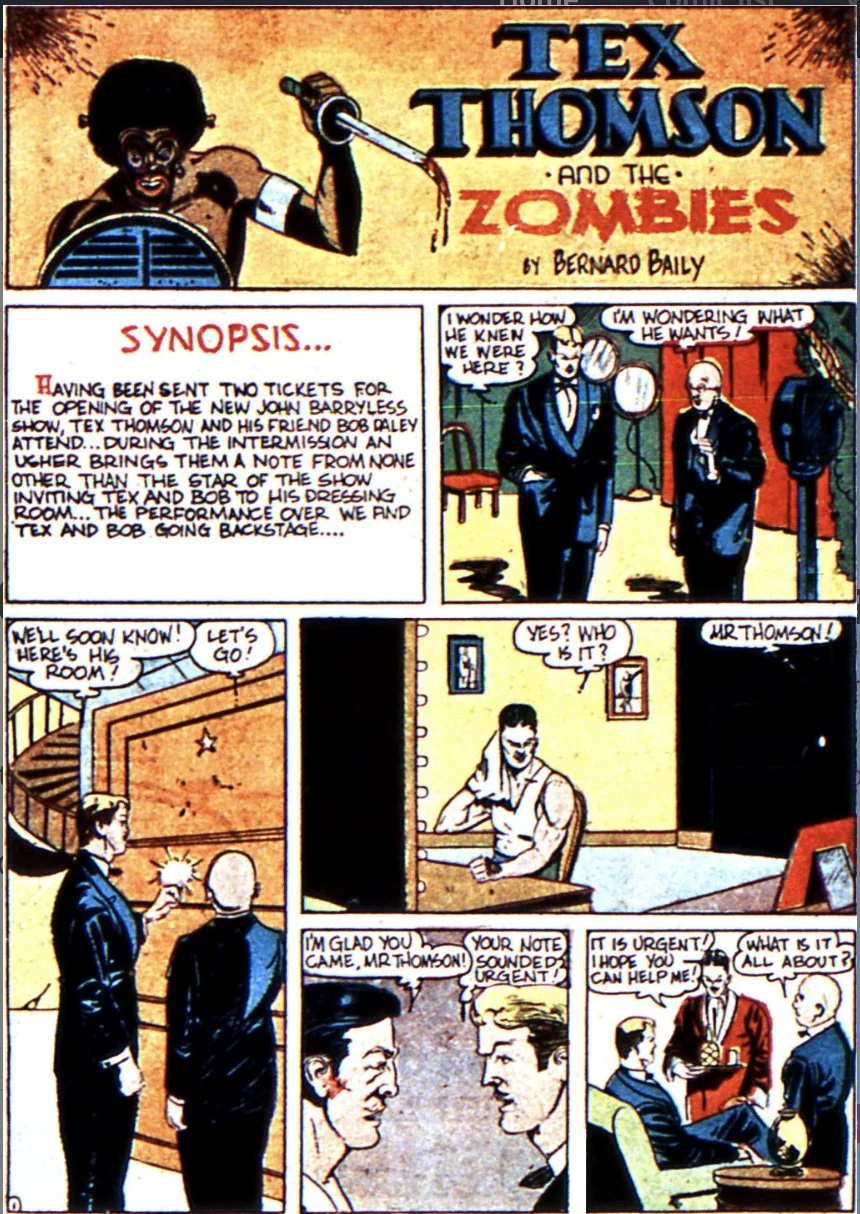
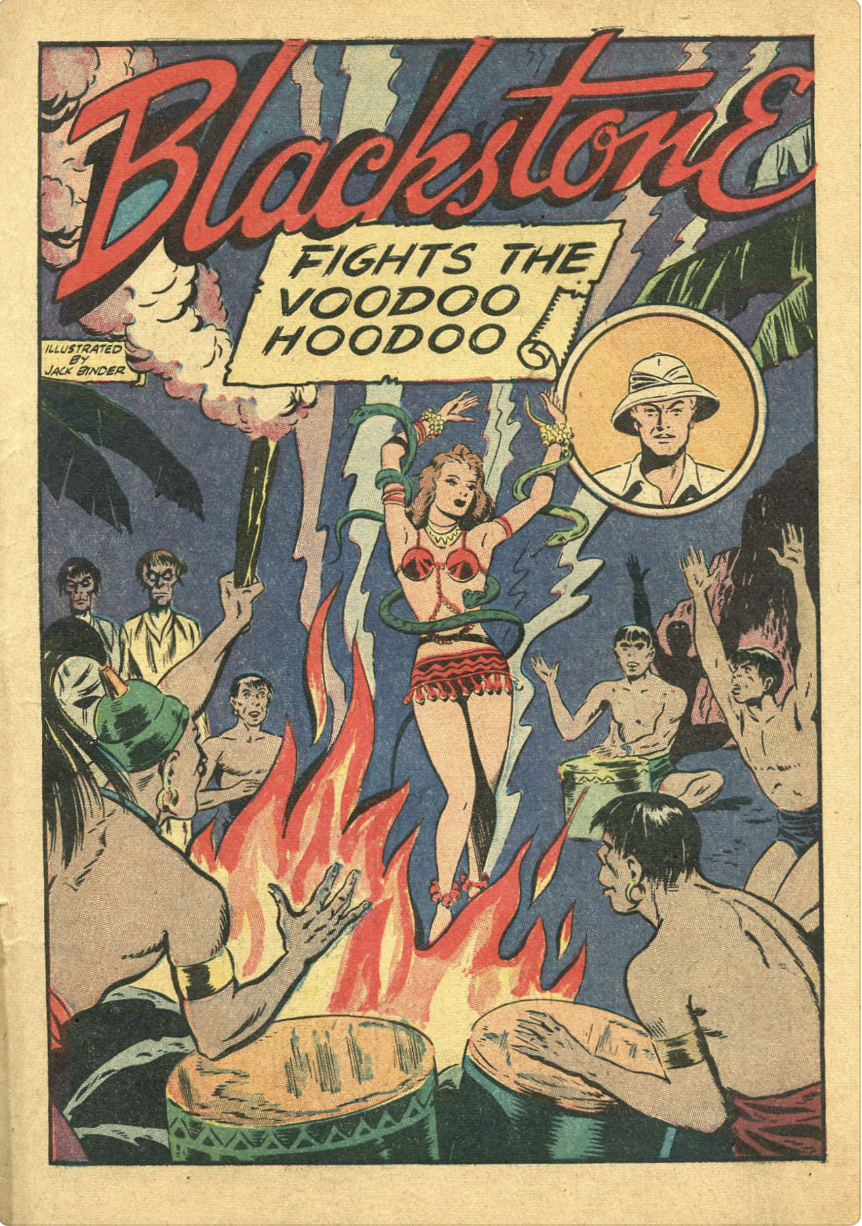
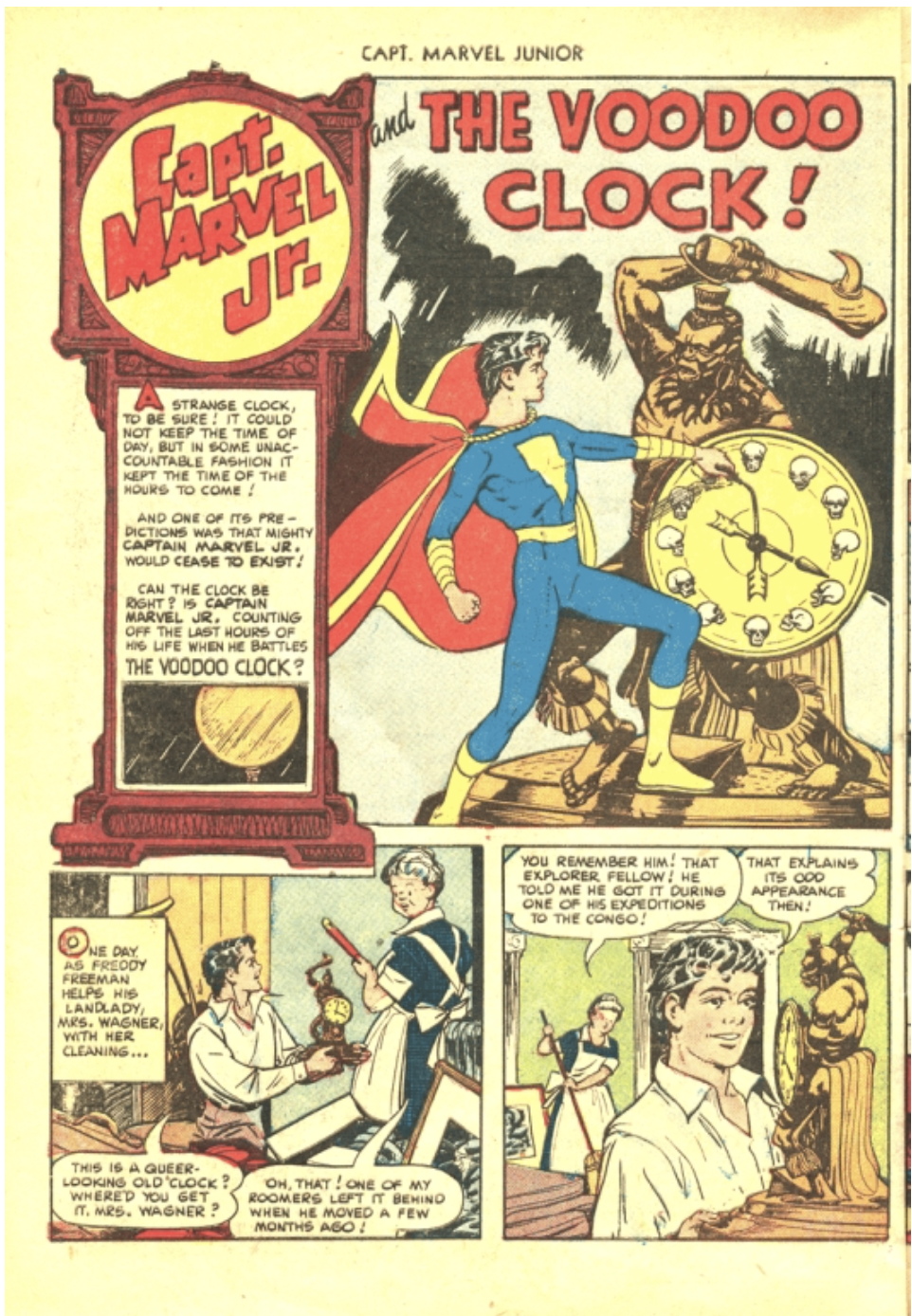
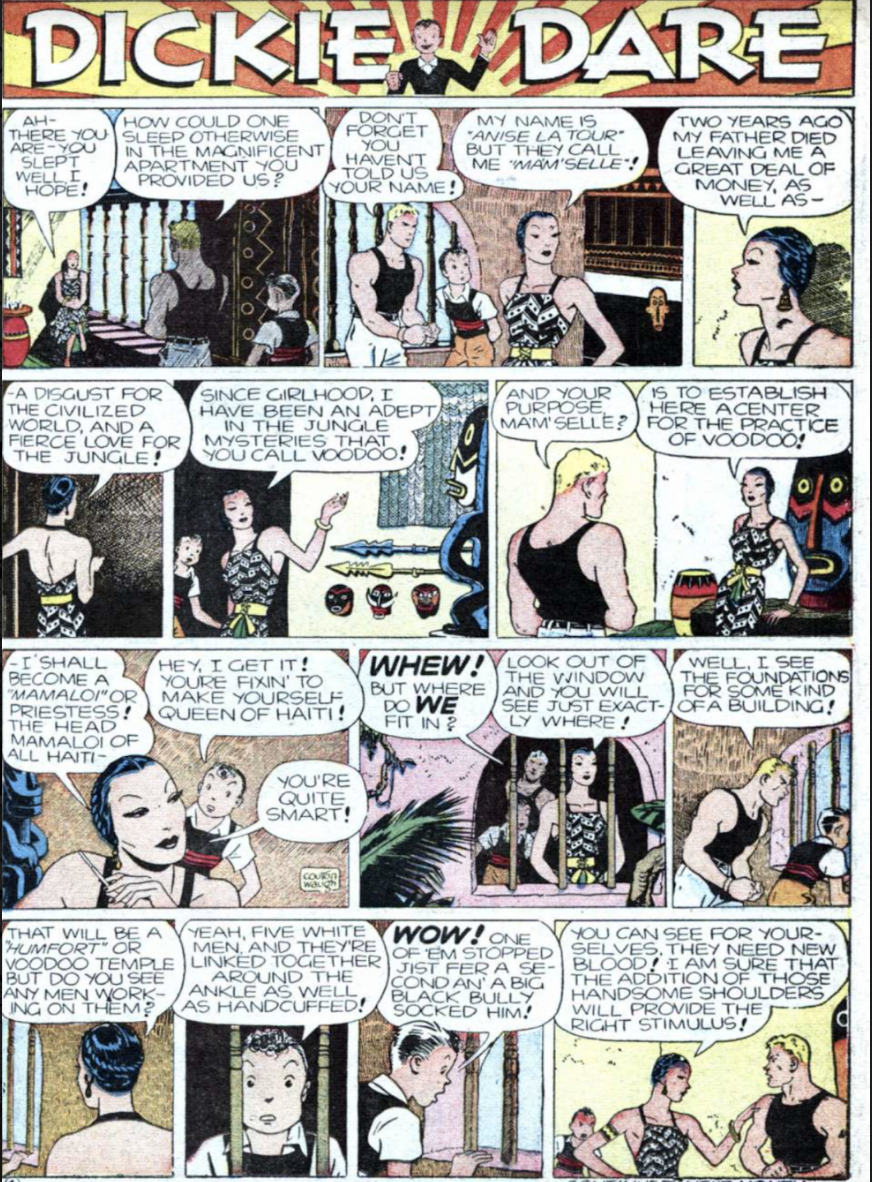
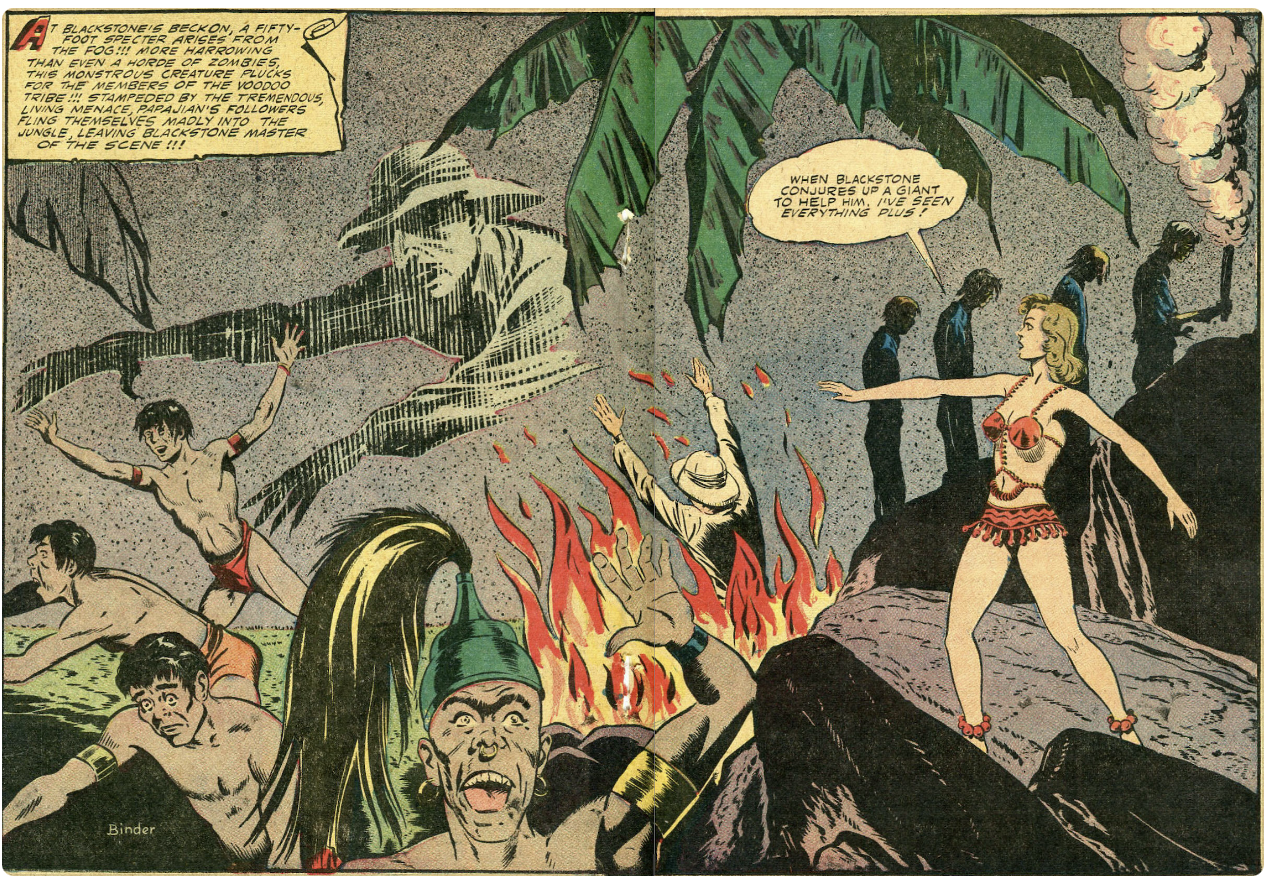
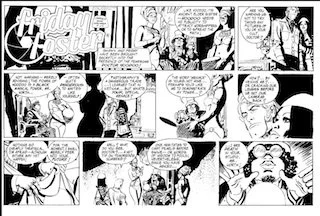
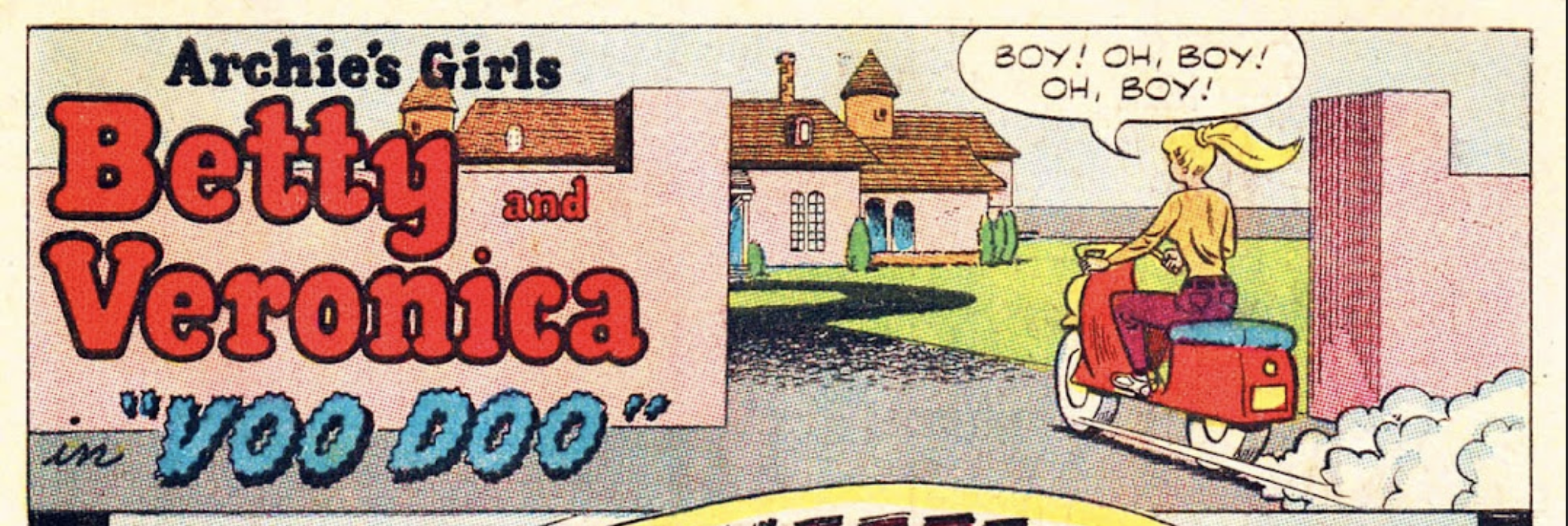
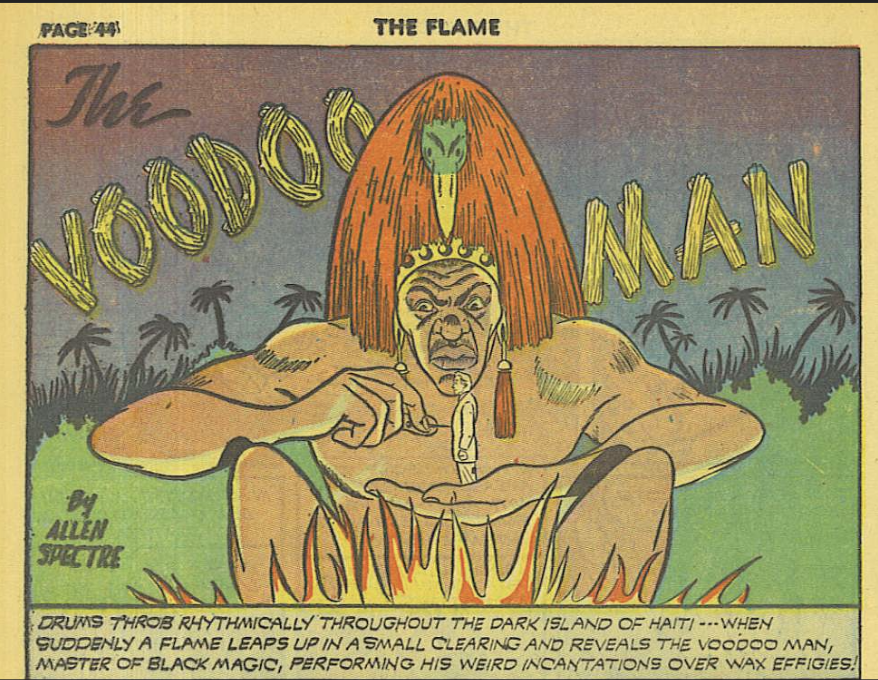
I use the phrase “graphic Voodoo” to refer to the ongoing characterization of Africana religions as insurgent and racialized, overdetermined by associations with sorcery, and presumed to be violent and dangerous. Graphic Voodoo became a signifier for spiritual alterity that marked black ‘otherness’ with resonant elements drawn from two historical sources: Indigenous African spiritual traditions and Haitian Vodou. As a metonym for Africana religions, Voodoo became a stand-in for race and religion in many widely-circulating comic books in the US, especially those of the action-adventure and horror genres. Voodoo came to denote Black religions, from Africa, the Caribbean, and the US, such as Hoodoo and Conjure.
The aesthetics of Voodoo, as established in action-adventure jungle comics and zombie themed comics coded Black Africana spiritualities as uncivilized and strangely powerful. Outlandish pictures of black religious authorities in roles as Voodoo priests and witch doctors - half-naked, with grass skirts, feathered headdresses, ornamental necklaces, bones, and fetishes - registered the stereotype of the timeless ‘Native.’
While nineteenth-century political cartoons and illustrated journals had employed denigrating visuals in portrayals of indigenous people, Africana religions in twentieth century comics were refracted through a prism of broadly pejorative tropes. Weighed against western standards and Anglo-Christian exceptionalism, Africans were viewed as abject denizens of the “dark continent,” degenerate, lacking moral virtue, “without God, law, religion, or commonwealth.” Defamation of African peoples in written and visual discourses would be used to rationalize the West’s role in the slave trade, colonialism, and its postulations of scientific theories of white racial superiority. These accepted images of Africa and Africans filtered into the comics. Voodoo was an imagined but powerful idea: a religion that enacted immorality and corruption, threatened vengeance and retribution toward its enemies, validating white paternalism and American-Christian virtue as a means of social control.
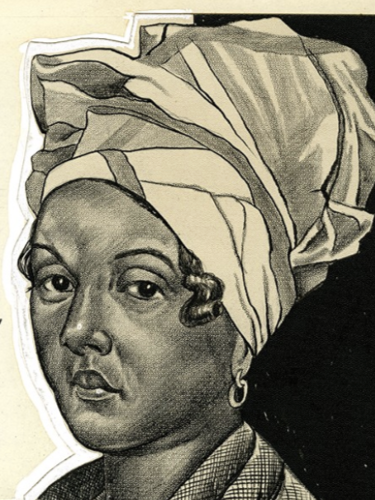
Rogers, J. A. Your History: Facts About the Negro. Illustrated by A. Samuel Milai. Published serially in the Pittsburgh Courier, 1946–1948. Image of Marie Laveau.
ABOUT MARIE LAVEAU
During the mid 1940s, African Americans learned about Black diasporic religions through cartoon imagery. Marie Laveau was born a freedwoman in New Orleans around 1801, of parentage that joined African, French, and Native American ancestries. She was baptized at St. Louis Cathedral and remained a practicing Catholic all her life, said to have attended daily Mass and to have held the confidence of the Capuchin pastor Père Antoine. By midcentury she led an Africana religion that would come to be known as New Orleans Voodoo, presiding over gatherings at her St. Ann Street cottage and celebrating the annual St. John's Eve rites on the shores of Lake Pontchartrain. Laveau’s faith tradition was an ancestral practice that had been carried to Louisiana in the memories of enslaved Senegambian, Fon, and Kongo peoples and replenished by the Saint-Domingue refugees who poured into the city after the Haitian Revolution. Some say that there were two Marie Laveaux, with her daughter and namesake adopting her physical identity and practice after her death, bequeathing to the historical character a kind of earthly immortality. Today, many consider her to be a witch, a Voodoo queen, a ghost, or a local saint modeled in the style of other unofficial Catholic goddesses. She most certainly embodies the trope of the Conjure woman, the quintessential black folk heroine who elides neatly drawn divisions between morality and (supernatural) power, particularly in her role as an occult agent, first as a slave, then later, as an American subaltern. The Conjure woman inhabits the visual figurations of the actual vocations of African American women in history from slavery to the present, including Hoodoo and root workers, spiritualists, herbalists, seer/diviners, healers, and priestesses. The freedom with which comics and cartoon illustrators have interpreted the form of Marie Laveau offers a compelling testimony to her resilience as an inspiring social actor.
ABOUT THE IMAGE
Dr. Chireau reflects: “When I see this image, I immediate want to know the story. The reason that this strikes me is that whenever we think of religion and Black religion, we think of Christianity. But this cartoon disrupts that.
This is very unusual. This comes from the 1940s. Sam Milai was a cartoonist at the Pittsburgh Courier. Newspapers were mainly segregated at this time; the Pittsburgh Courier was a Black newspaper. This image is really interesting because he became a very prominent African-American cartoonist. His series was eventually published in a book by J.A. Rogers, who's known as one of the fathers of Black history.
Some of his subjects were Christians. But Marie Laveau is a figure that not too many people knew about. But it's clear she's relevant enough to be part of the series. Many students today don’t know of her, or only know her from the character Angela Bassett played on “American Horror Story: Coven.” It's fascinating to know that back in the 1940s, she was considered a prominent enough religious figure to include in Milai’s series. Even back in the 1940s,
Marie Laveau, of course, is this wonderful figure who crosses different lines. Is she Christian? Is she Africana? She shows us that this idea of Black religious pluralism isn’t new. People understood that not all Black folk were Black church people.”
ABOUT THE ARTIST
Ahmed Samuel Milai created religion-themed educational content in titles like Your History, J.A. Rodgers’ popular Black “race” series in the 1950s. Milai, a prolific African American cartoonist at the Pittsburgh Courier newspaper, drew an early comic strip series beginning in 1937, with various illustrations of Black religious content, on through the early 1960s. His comics are collected at the Billy Ireland library at OSU.
ISLAM

The default assumption about Black religion in the US is often just "the Black church" - meaning Protestant Christianity - when the reality is much more diverse. Black Islam has deep roots in African American history - from early 20th century movements like the Moorish Science Temple, to the Nation of Islam's massive cultural and political influence, to orthodox Sunni communities, to the Five Percenters who had a vital impact on hip-hop culture. These weren't fringe movements, I argue, but they shaped Black identity, politics, and culture. This is clear as we see how comics and cartoons engaged with African American Islam, whether in mainstream media's problematic depictions of the NOI, or Black newspaper cartoonists representing Islamic identity, or the significance of figures like Malcolm X, who appeared in different graphic biographies.
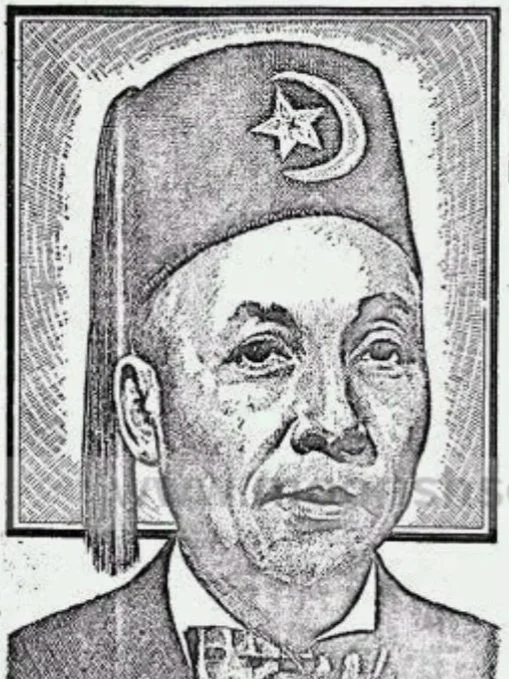
Rogers, J. A. Your History: Facts About the Negro. Illustrated by A. Samuel Milai. Published serially in the Pittsburgh Courier, 1946–1948. Image of Elijah Muhammad.
ABOUT THE IMAGE AND THE NATION OF ISLAM
Dr. Chireau reflects: “This is another Milai — very distinctive, wonderful stuff. Elijah Muhammad, from the 1940s. Like the Marie Laveau image, it became part of a collection of Black history stories. Elijah Muhammad was a respected religious leader. Today, we simply don't know enough about Elijah Muhammad, even though in that time, most Black Americans knew who he was and respected him.
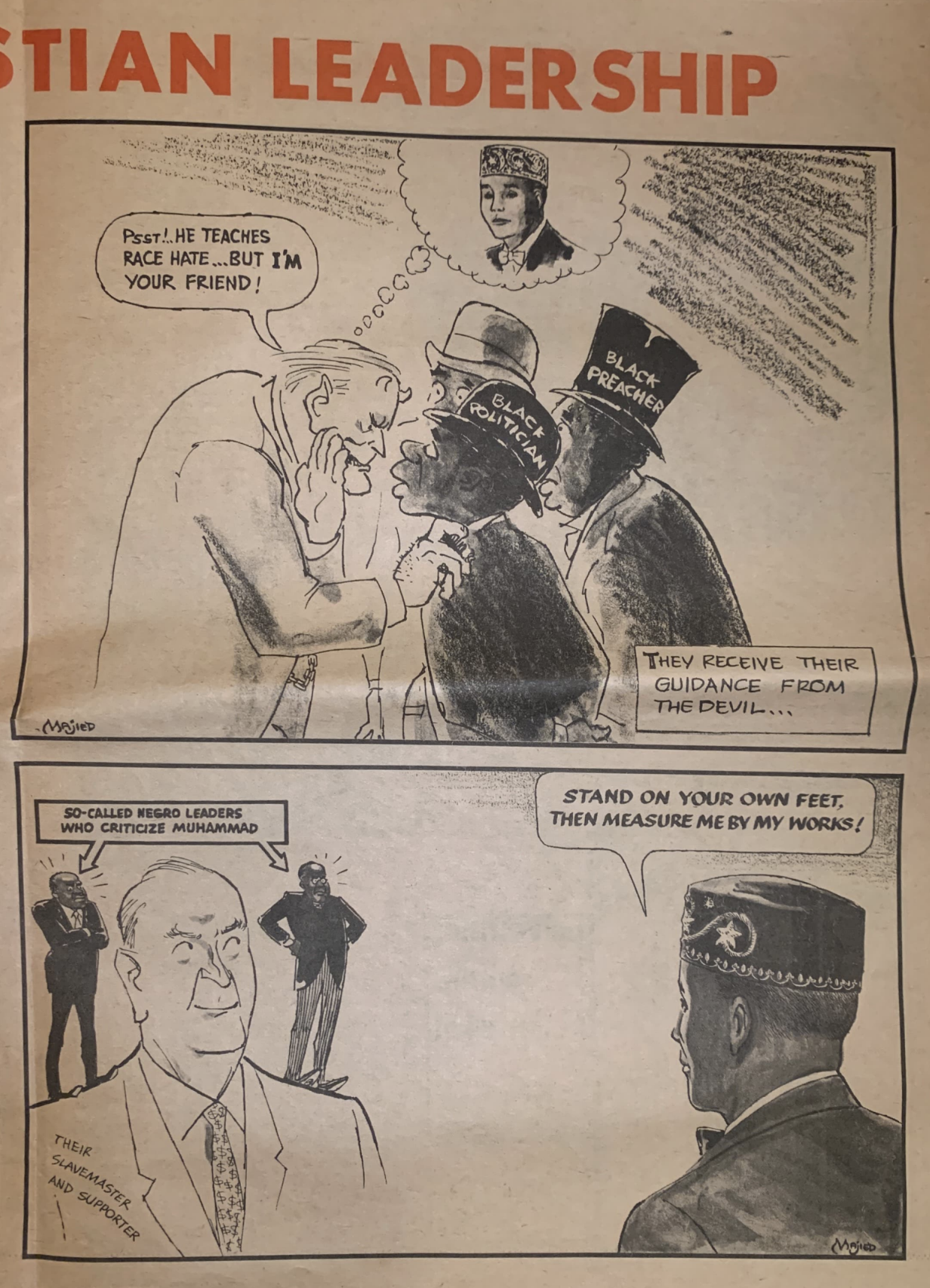
Most people don't realize how large the Nation of Islam was. They had a daily newspaper with a very prolific cartoonist on staff. His name was Eugene Rivers; his son is a prominent conservative preacher. He was probably the most prolific African American syndicated cartoonist of his time. He did regular cartoon stories, including a series with Eugene 3X (later Eugene Majied), dedicated to explaining the theology of the Nation of Islam using the cartoon medium.”
ABOUT THE ARTIST
Ahmed Samuel Milai created religion-themed educational content in titles like Your History, J.A. Rodgers’ popular Black “race” series in the 1950s. Milai, a prolific African American cartoonist at the Pittsburgh Courier newspaper, drew an early comic strip series beginning in 1937, with various illustrations of Black religious content, on through the early 1960s. His comics are collected at the Billy Ireland library at OSU.
-
1928 — Moorish Science Temple booklet
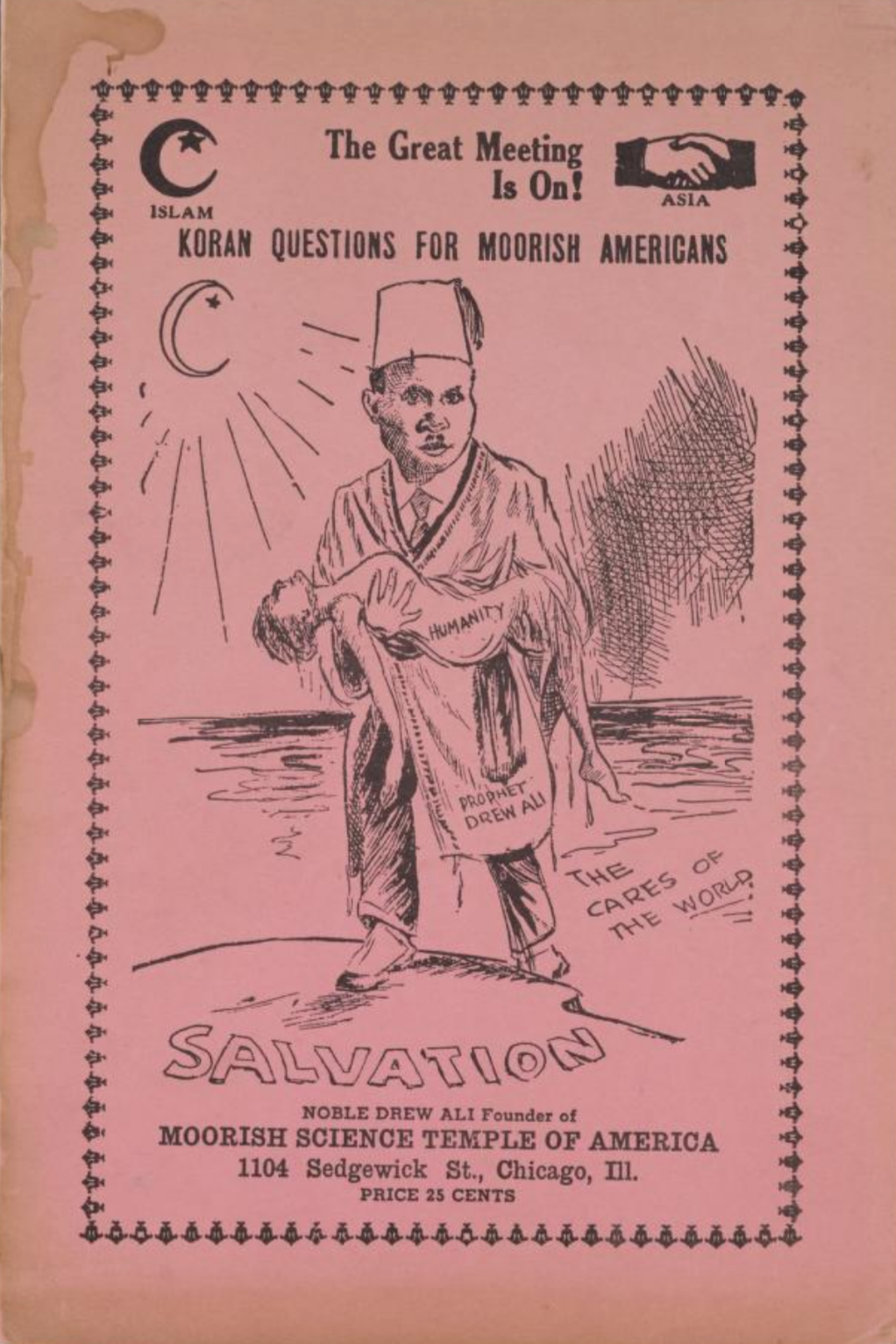
Moorish Science Temple of America. Koran Questions for Moorish Americans. Chicago: Moorish Science Temple of America, July 20, 1928. Cartoon illustration on cover. Library of Congress, African and Middle East Division, Omar Ibn Said Collection.
1946–1948 — Your History
Rogers, J. A. Your History: Facts About the Negro. Illustrated by A. Samuel Milai. Published serially in the Pittsburgh Courier, 1946–1948. Image of Elijah Muhammad.
1960s — Muhammad Speaks comics and cartoons
Majied, Eugene, and Gerald 2X. Comics and editorial cartoons in Muhammad Speaks. Chicago: Nation of Islam, ca. 1960s–1970s.
1970s — Ansaru Allah community cartoons
Ansaru Allah Community (Nubian Islamic Hebrews). Cartoon illustration in self-published sacred texts (called scrolls). United States, 1970s.
1978 — Superman vs. Muhammad Ali
O’Neil, Dennis (writer), Neal Adams (artist). Superman vs. Muhammad Ali. New York: DC Comics, 1978.
1979–1982 — Turtel Onli
Onli, Turtel. Malcolm-10: Black Age of Comics, 1993. His work appeared in the Chicago Defender and as an independent comic book, 1979–1982.
1993 — Wise Son, Five-Percenter, in Blood Syndicate series
McDuffie, Dwayne (writer), Ivan Velez Jr. (writer), and Denys Cowan (artist). “Wise Son” in Blood Syndicate. Milestone Comics (distributed by DC Comics), 1993.
1993 — Malcolm X Graphic Novels and Comics
Helfer, Andrew (writer), and Randy DuBurke (artist). Malcolm X: A Graphic Biography. New York: Hill and Wang, 1993; Oeming, et al.
2023 — Frank Edward, Yakub Father of the White Devil Race
Edward, Frank. Yakub, Father of the White Devil Race. Self-published, 2023.
-
![]()
Moorish Science Temple of America
Koran Questions for Moorish Americans. Chicago: Moorish Science Temple of America, July 20, 1928. Cartoon illustration on cover. Library of Congress, African and Middle East Division, Omar Ibn Said Collection.
Learn more about the Moorish Science Temple
-
![]()
Nation of Islam
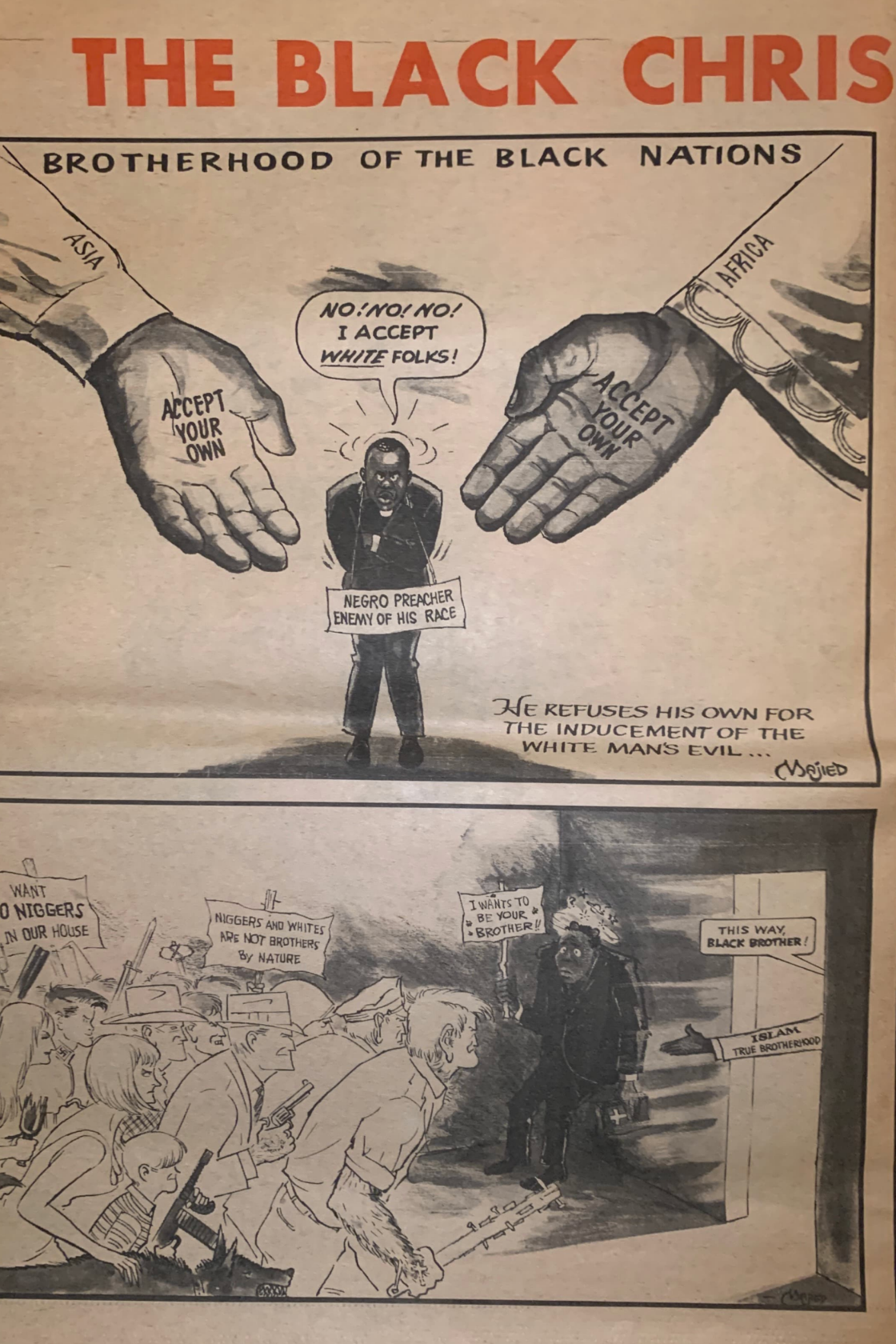
Majied, Eugene, and Gerald 2X. Comics and editorial cartoons in Muhammad Speaks. Chicago: Nation of Islam, ca. 1960s–1970s.
Learn more about the Nation of Islam
-
![]()
Nation of Islam
Majied, Eugene, and Gerald 2X. Comics and editorial cartoons in Muhammad Speaks. Chicago: Nation of Islam, ca. 1960s–1970s.
Learn more about the Nation of Islam
-
![]()
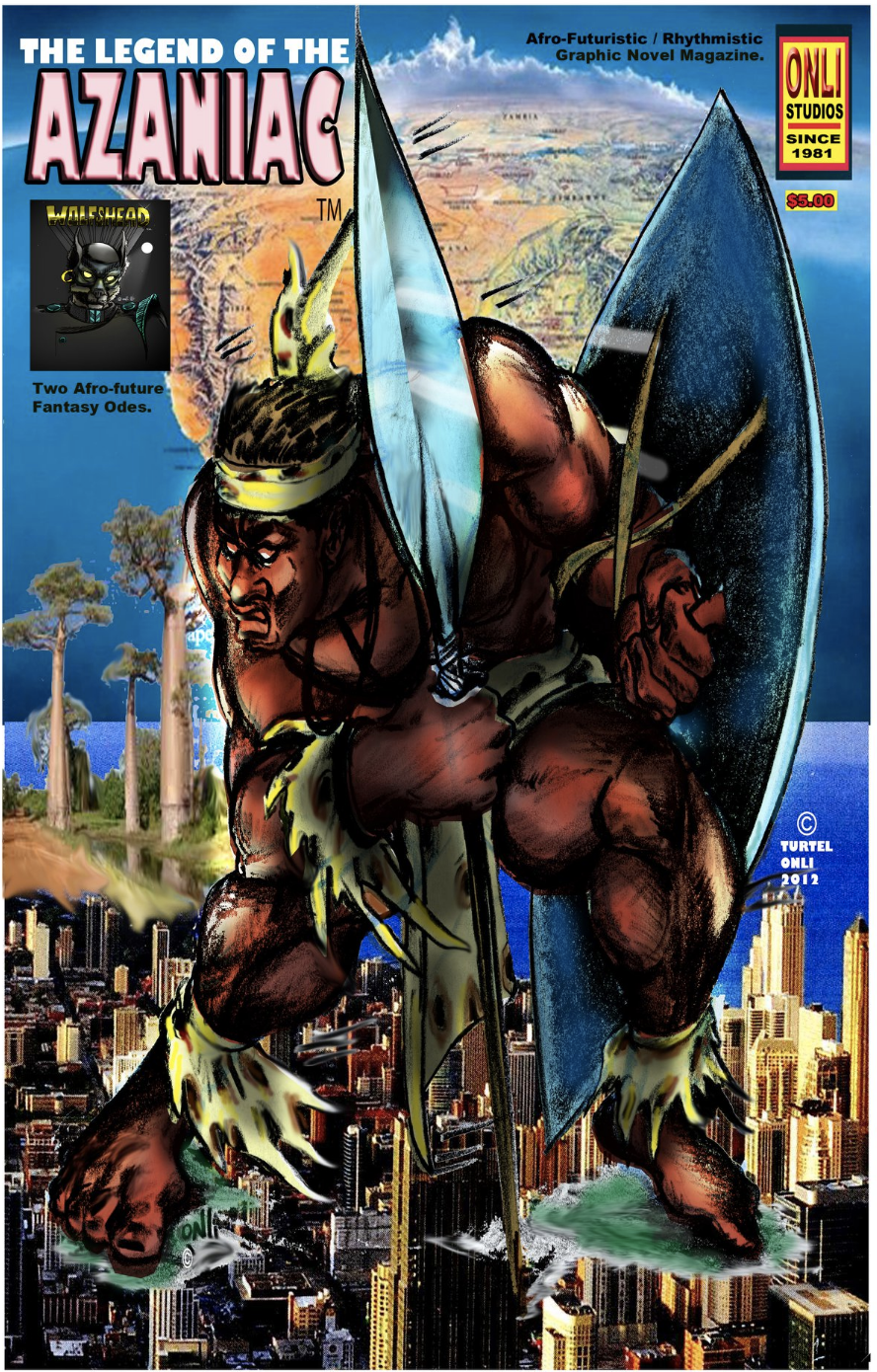
The Legend of the Azaniac
Onli, Turtel. (2012) His work appeared in the Chicago Defender and as an independent comic book, 1979–1982.
-
![]()
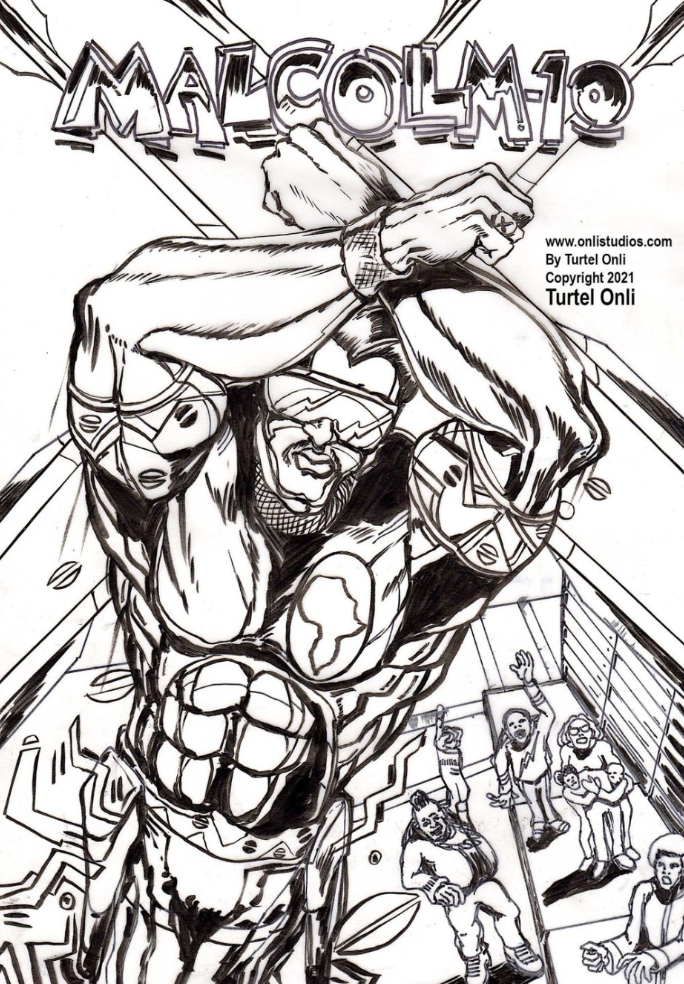
Malcolm-10
Onli, Turtel. Malcolm-10: Black Age of Comics, 1993. His work appeared in the Chicago Defender and as an independent comic book, 1979–1982.
ABOUT THE MOORISH SCIENCE TEMPLE
The Moorish Science Temple of America was founded in 1913 by Noble Drew Ali in Newark, New Jersey. The MST taught that salvation is achieved by reclaiming a divinely ordained identity, that transcends the subjugation of the American state and recovers a sacred history that predated—and bypassed—the trauma of chattel slavery. Members embraced what Weisenfeld calls an alternative religio-racial identity. Guided by the Circle Seven Koran as their primary scripture, members actively cultivated their spiritual identities through lessons, educational writings, and publications. This picture, in the style of political cartoon imagery, shows the founder of the MSTOA, The Prophet Noble Drew Ali, carrying humanity and the “CARES OF THE WORLD” in a universalizing gesture of salvation, under the traditional Islamic symbol of the star and crescent.
ABOUT THE NATION OF ISLAM
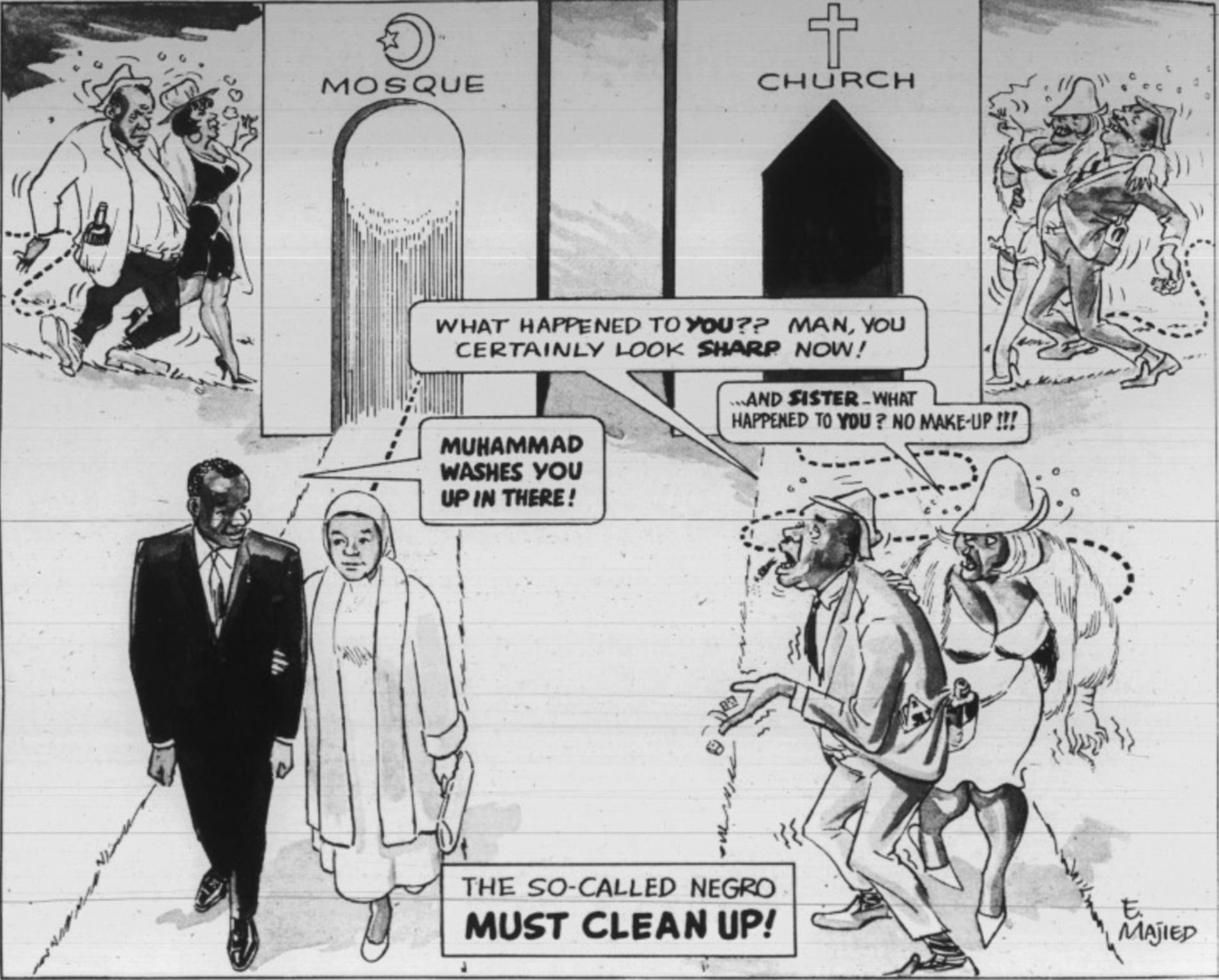
Although American culture is predominantly Christian, religions such as Islam have deep roots in Black communities, which have always been spiritually pluralistic. Eugene Majied/Eugene XXX was a prolific illustrator for black newspapers such as the Chicago Defender and Muhummad Speaks in the 1960s and 70s. His incisive style of political cartooning conveyed the theological principles of economic self-reliance and racial pride that characterized religion and theology in the Nation of Islam.
The Nation of Islam (NOI, the Nation) was originally founded by Wallace Fard Muhammad on July 4th, 1930 in Detroit, MI. The Nation was born out of the Great Migration, arising within a cultural moment within the Black community that strove towards racial uplift and a return to the previously denigrated cultures and histories of African peoples. Although Muslim in name, the Nation strays heavily from core Islamic beliefs, including the Five Pillars, the identity and role of Allah, and the identity and religious significance of the prophet Muhammad.
The Nation’s original creation myth borrowed heavily from the Moorish Science Temple of America. NOI mythology ascribes Allah to be a god of many reincarnations, all of whom are Black men, with Fard Muhammad as the most recent appearance (at the time of the first founding). The first Allah created the Original Asiatic Race. They are the ancestors of all people of color, from which their divine power originates. White people were considered to be created by evil entities, lacked divinity on account of their lack of color, and were made for the intent of destroying Black communities. In response to histories of colonialism, the Transatlantic Slave Trade, and the United States, NOI borrowed from Marcus Garvey’s Black nationalistic beliefs to emphasize the need for self-sufficient Black communities— a reality that necessitated the virtues of conservatism, nuclear homes, heterosexual monogamy, patriarchy, sustained employment, and contribution to an internally-fostered Black economy.
To further reject histories of enslavement and white domination, new members of the Nation changed their names to those of Arabic origin. In the mid to late 1900s, changing one’s last name to “X” was a common practice, where numbers are attached (or X is repeated) to distinguish someone from other members with the same name (i.e: Eugene XXX, Eugene 3X implying the close presence/association of two more Eugenes). In pursuit of racial uplift and the ideal of black nation, members of the Nation were required to dress conservatively, reject common vices, and refuse non-natural appearances and bodily modifications (i.e: tattoos, chemically processed hair, wearing makeup, etc.) The Nation’s principles around self-presentation and self-preservation appealed greatly to Black Americans, with the Nation’s membership in the 1960s estimating to be close to 100,000 and newspaper circulation (Muhammad Speaks) reaching 600,000 copies in its first issuing year (1960).
During these early decades, Fard Muhammad was arrested multiple times by Detroit police and the chapter was heavily antagonized by local police departments. In 1934, Fard Muhammad disappeared without any notice to other members and Elijah Muhammad (originally Elijah Poole), an early disciple, assumed his position. Muhammad moved NOI headquarters to Chicago, where it remains today. Under Muhammad’s leadership, the NOI experienced its greatest era of growth, recognition, and conflict. Early on, the Nation became a target of FBI investigation, with notable investigations taking place in the 1960s under operations such as COINTELPRO. During this era, figures such as Malcolm X and Muhammad Ali became the international faces of the Nation, although X left the Nation in 1964 and was later assassinated by its members.
After Muhammad’s death in 1975, his son Warith (Wallace) Muhammad succeeded him and attempted to reform the NOI. Traditional members of the Nation resisted this and the Nation was refounded by its original name and principles by Louis Farrakhan to retain the name of the Nation of Islam. Farrakhan continues to lead the Nation today and remains steady in the more traditional, conservative practices of the NOI.
The NOI’s inclusion in this exhibition is incredibly important, as the Nation holds a significant place in representation of Black Muslims in America, particularly in the context of the Civil Rights Movement and major cultural shifts in the wake of the Great Migration. Although not formally accepted as a sect of Islam (due to their deviation from the Five Pillars, rituals, and religious mythology/history), the Nation of Islam holds a significant place in the practice and representation of Islamic practice within Black America. The organization’s leaders were notable cultural and political influences in late modern and early postmodern America, often considered key figures in the Black and American historical canons.
ABOUT MUHAMMAD SPEAKS AND THE FINAL CALL
The NOI maintained multiple newspapers and media streams. The majority of the comics provided come from Muhammad Speaks, created by Elijah Muhammad in 1960. An overwhelming success, during its run Muhammad Speaks spread the messages of the Nation, highlighted stories of success within the community, and most significantly served as a place for discourse on anti-Black state-sanctioned violence in the United States. The publication became one of the most read newspapers in Black American history, ending its run in 1975 with the death of Elijah Muhammad. When Louis Farrakhan re-founded the Nation, he created The Final Call to serve the same purpose, with a greater emphasis on spreading the word and philosophies of the Nation. The first issue of The Final Call was released in 1979 and remains in print today.
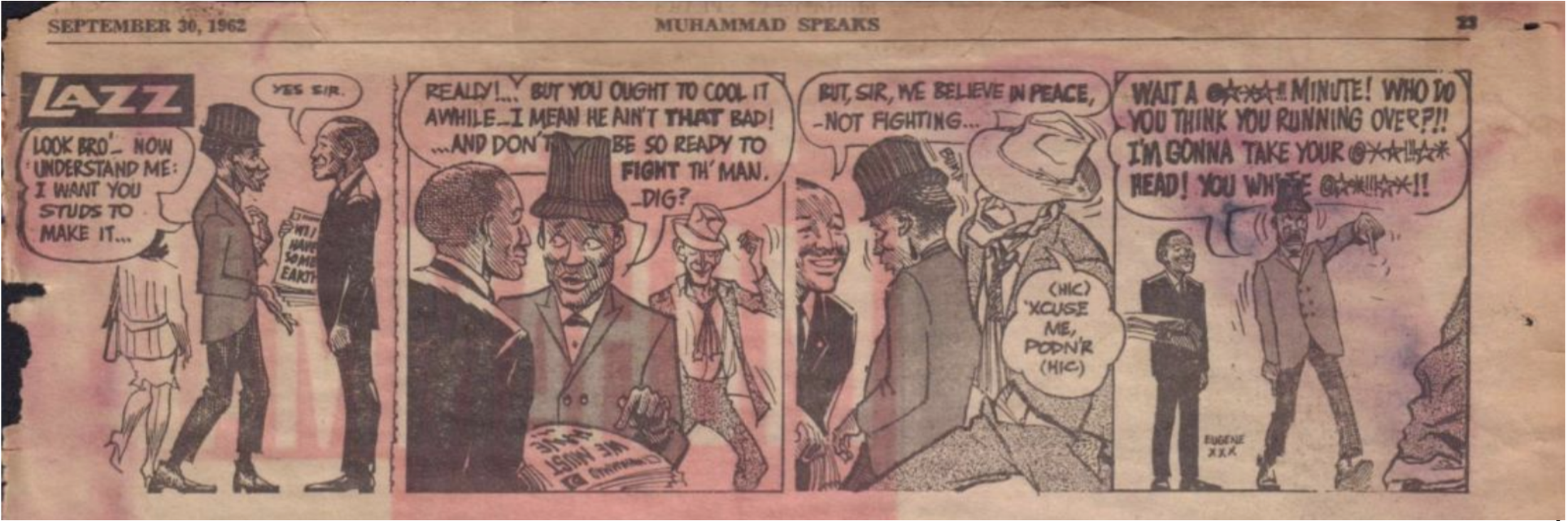
from Muhummad Speaks (1965-1969)
from Muhummad Speaks (1965-1969)
ABOUT EUGENE MAJIED (EUGENE X, XX, XXX)
Born as Eugene Franklin Rivers on February 4th, 1926 in South Carolina, Eugene Majied was a prominent cartoonist and artist for Muhammad Speaks. Majied studied art at an early age, desiring to be a painter and taking courses at the Museum of Fine Arts, Boston. After serving in World Ward II, Majied returned to the United States, moved to Chicago, and became a janitor whilst pursuing art as a personal venture. After encouragement from his wife, Majied began to illustrate for Chicago-based Black newspapers, such as the Chicago Defender. Majied converted to the Nation and began to work closely with the leadership at the Chicago headquarters, including Elijah Muhammad, where he became a lead cartoonist for Muhammad Speaks. Majied’s comics were distinct and compelling in their ability to engage with social, cultural, and political commentary. Notably, Muhammad Ali’s decision to join the NOI was prompted by encountering one of Majied’s comics. Majied’s signature varied, appearing as Eugene X, Eugene XX, Eugene XXX, Frank Lee, and Lee. Later in life, Majied returned to South Carolina to illustrate for the Greenville News. He passed away in 2005.
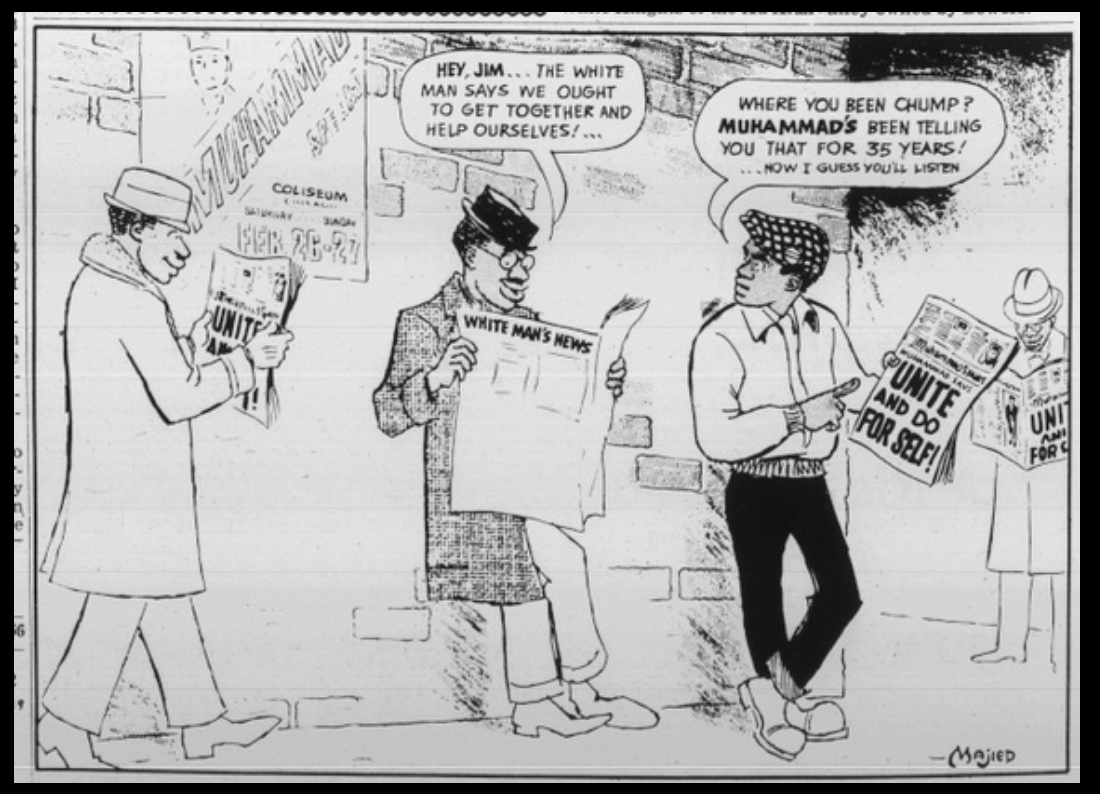
from Muhummad Speaks (1965-1969)
christianity
American comics and cartoons have historically privileged white Christianity and representations of the Christian religion, and Christianity has shaped storylines, character designs, and visual tropes across all visual media. American newspaper strips, cartoons, and comic books imagined race and religion together from within a specific white-racialized perspective. This dominant worldview typically pushed depictions of Black Christian religiosity to the margins, with some notable exceptions. The co-constituency of race and religion in American comic strips, cartoons, and comic books has always been imbricated with the cultural attitudes and social dynamics of the day. In mainstream visual media, African American subjects were present, but their visibility was often punctuated by the devaluation of Black personhood.
The Black press in the twentieth century, recognizing an urgent need, aimed to provide alternative depictions that counteracted the reductive and demeaning imagery of Black Christianity that was seen in the white majority press. Comic strips thus became a potent medium for illustrating the diverse facets of Black life, including its vibrant religious practices, religious institutions, community leaders, and other notable figures.
In the twentieth century, an array of comics enriched the pages of the Black press, marking a historically significant era when Black protagonists and characters gained visibility. The work of Black cartoonists circulated in syndicated cartoons distributed to African American newspapers. This period also saw Black cartoonists and comics illustrators making inroads, a rare presence in White-majority owned newspapers and publishing companies.
African American artists were the first to portray the Black preacher as a figure with whom their readers shared personal connection and cultural identity. Nurtured within the walls of the venerable African American church, African American religious leaders served as pastors, healers, prophets, and ministers, holding unique positions of authority, often as de facto leaders. This influential role was acknowledged by W.E.B. Du Bois, who called the Black minister "the most unique personality developed by the Negro on American soil."
African American comics creators and illustrators rendered Black Christian preachers with familiarity and respect. In their comics and cartoon images the preacher figure was imagined as a beloved icon, even in instances where he or she was made the target of self-deprecating “inside” humor.
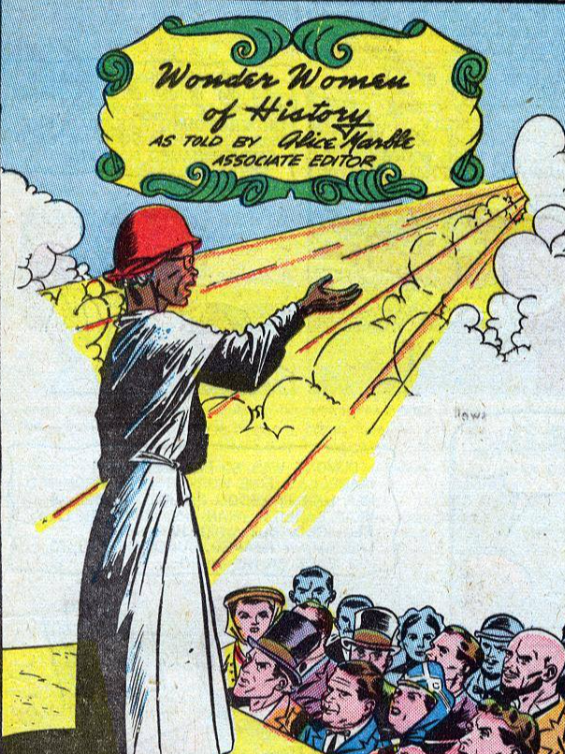
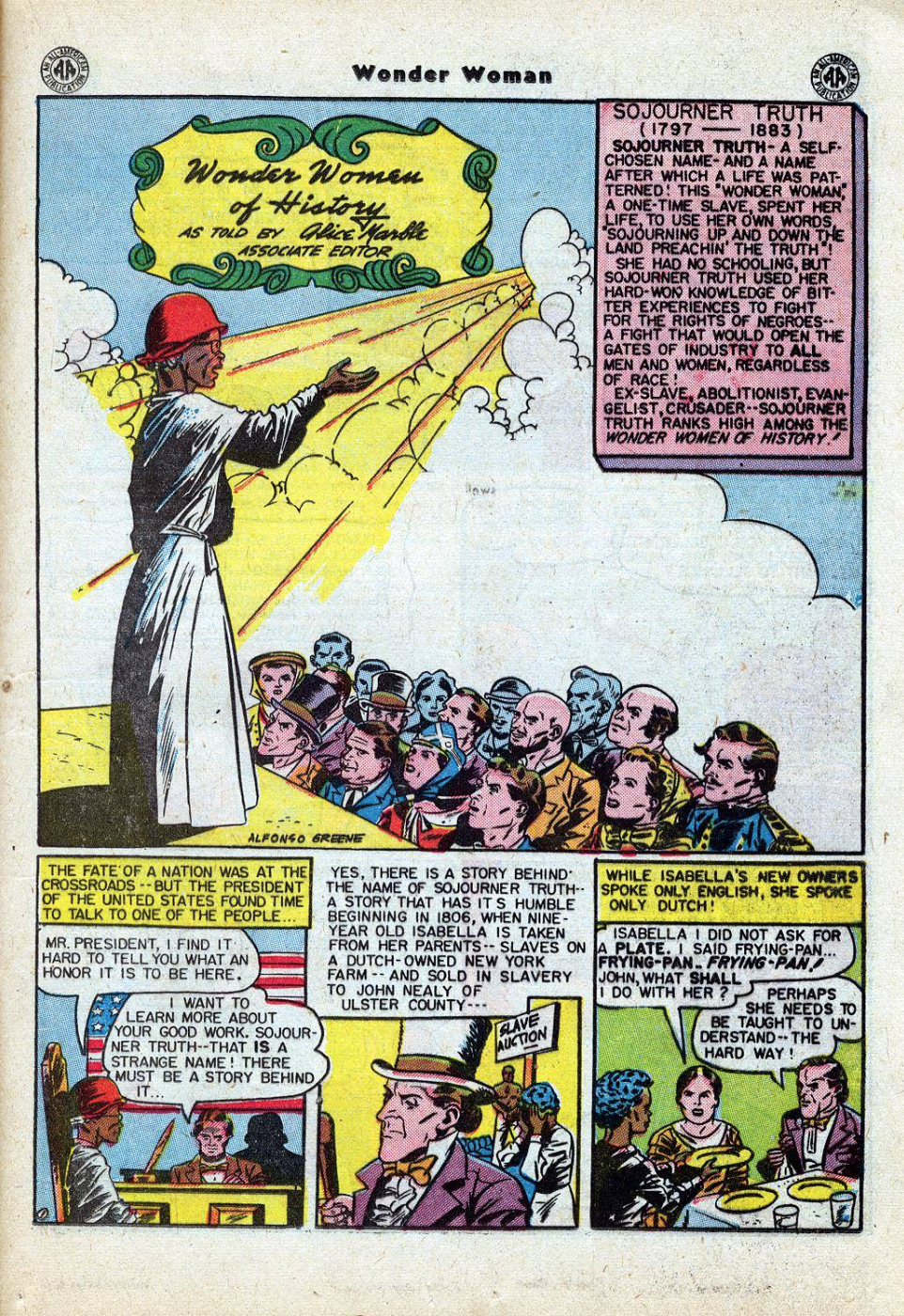
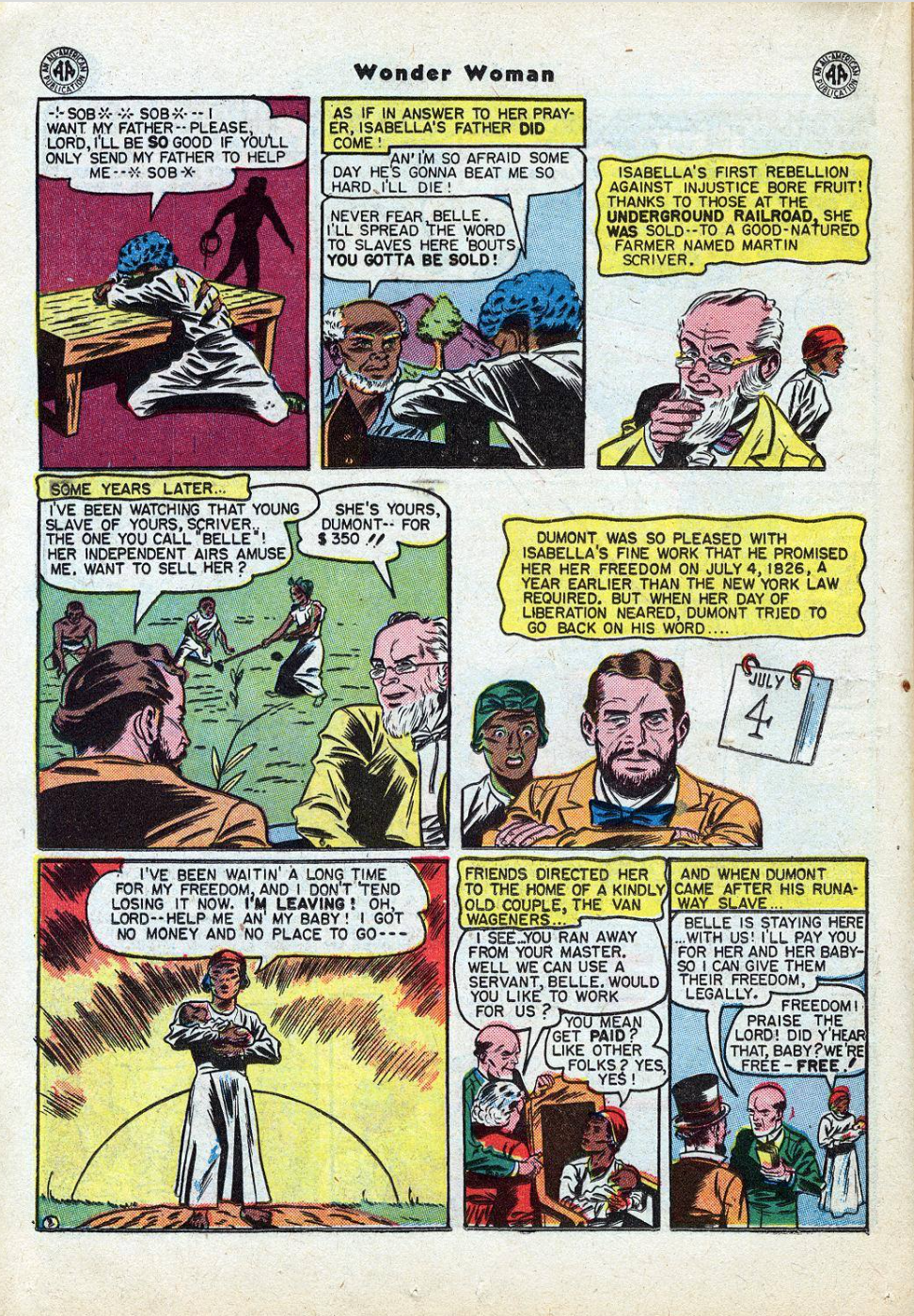
"Wonder Women of History: Sojourner Truth." Drawn by Alphonso Greene; written and edited by Alice Marble. Wonder Woman 13, DC Comics (summer 1945)
ABOUT THE IMAGE
This collaboration between a Black artist and white feminist writer to depict the Black abolitionist and evangelist Sojourner Truth represents a kind of cross-racial partnership that was rare in 1945. The story appears in a mainstream superhero comic, making a radical Black religious-political figure accessible to white audiences, but filtered through the cultural and institutional gatekeeping of the day.
-
![]()
Wonder Women of History: Sojourner Truth
page 1 of 4
-
![]()
Wonder Women of History: Sojourner Truth
page 2 of 4
-
![]()
Wonder Women of History: Sojourner Truth
page 3 of 4
-
![]()
Wonder Women of History: Sojourner Truth
page 4 of 4
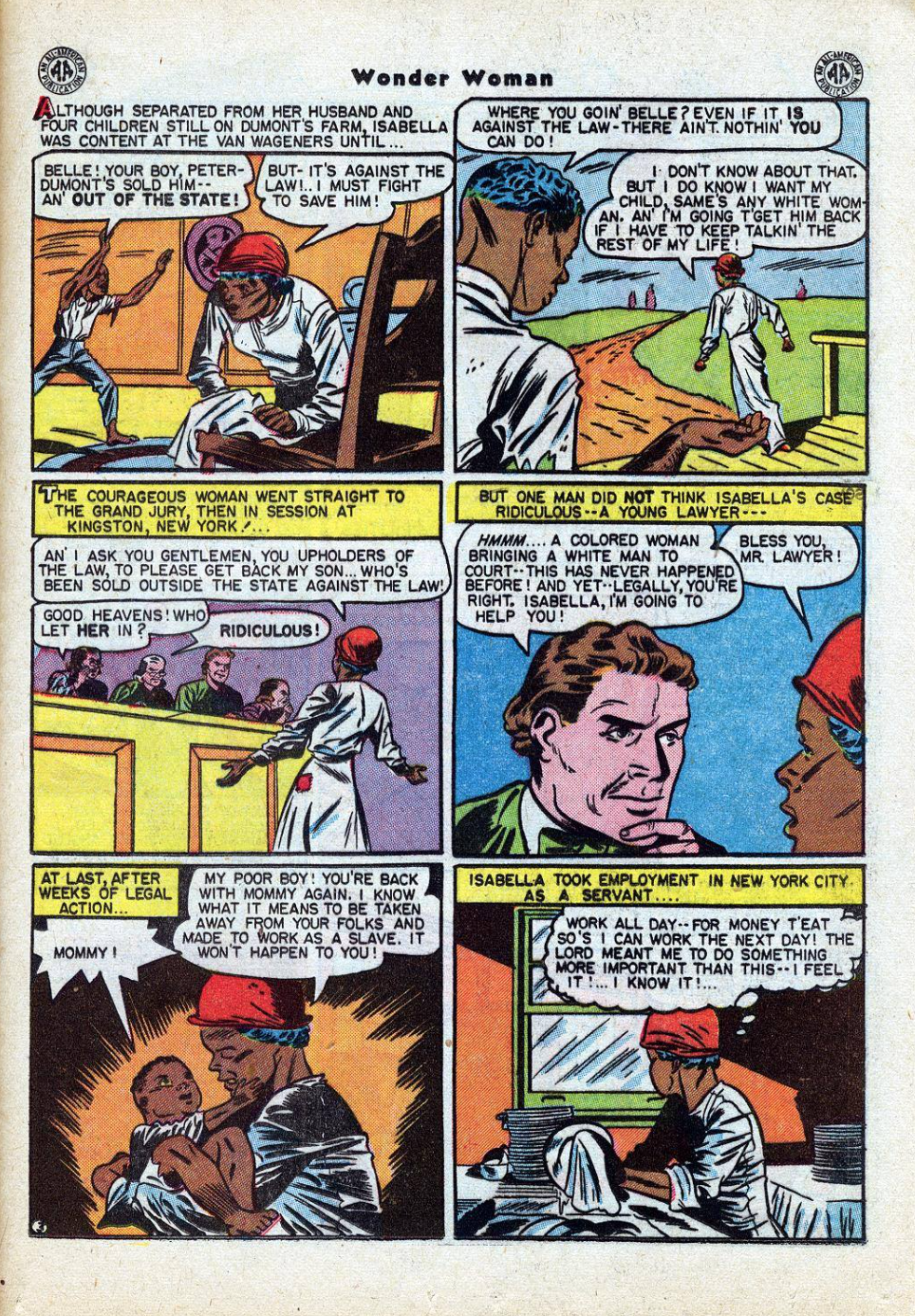
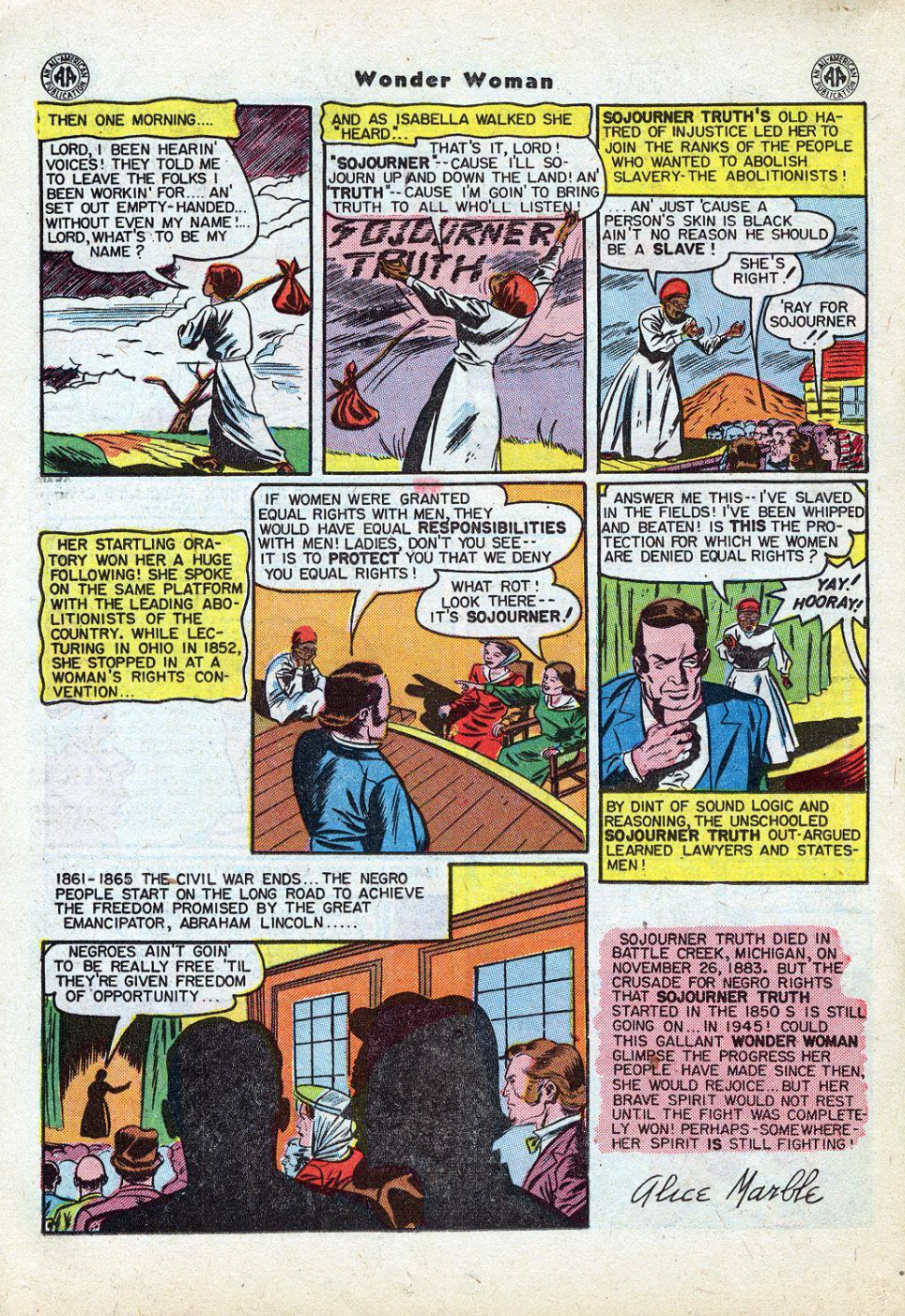
-
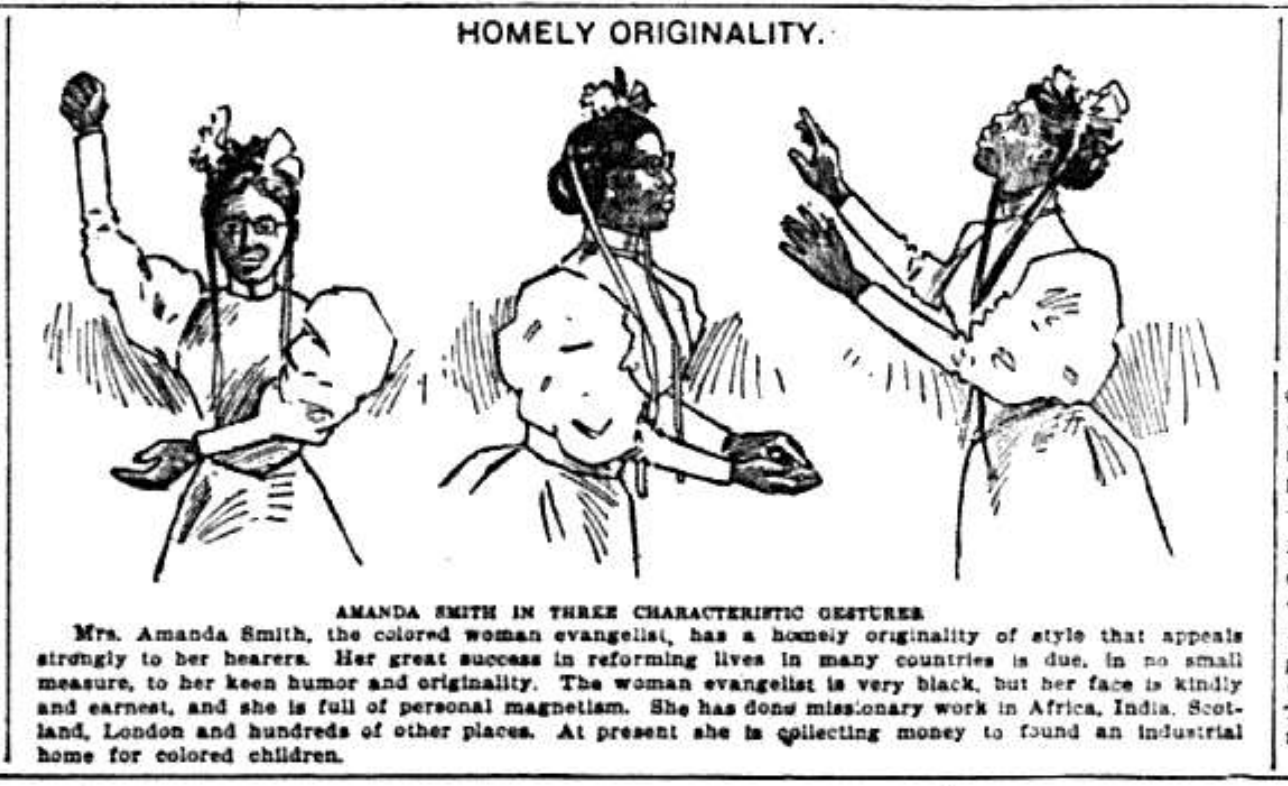
1897 — Amanda Smith cartoon
New York World. “Cartoon of Amanda Smith, Black Female Evangelist.” New York: New York World, 1897.
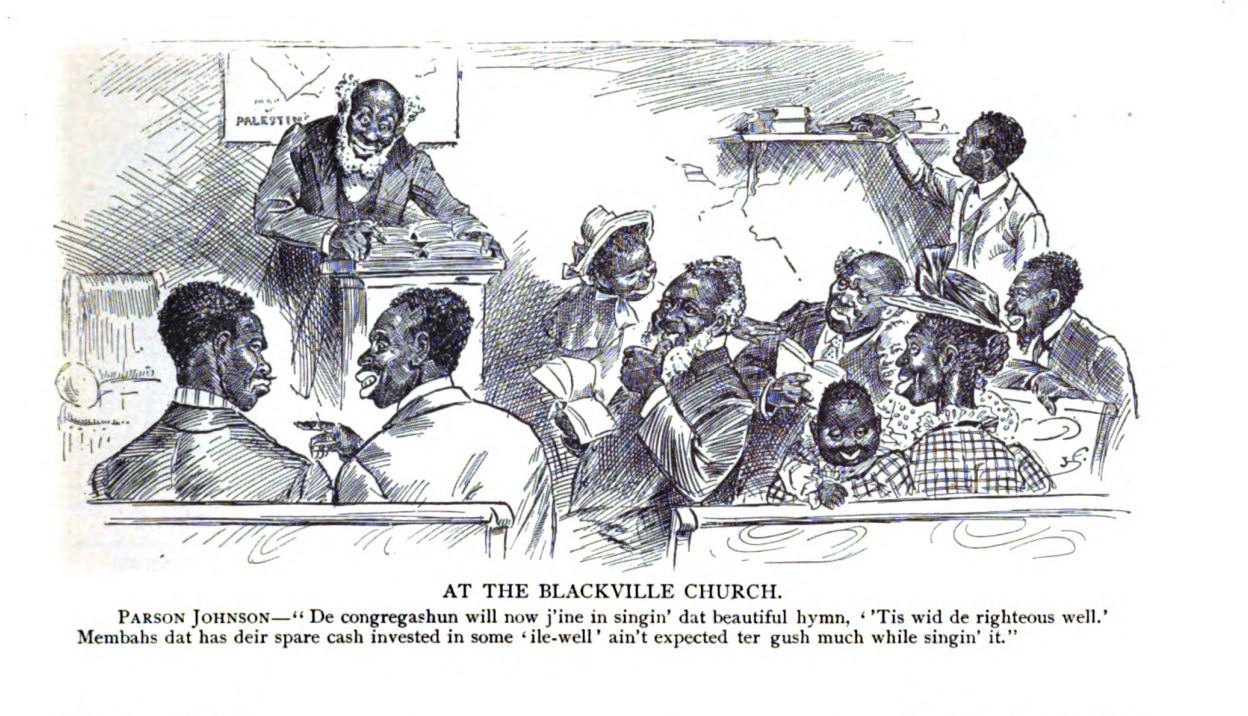
1904 — Judge magazine
“At the Blackville Church.” New York: Judge Magazine 1903-01-24: Vol 44 Iss 1110
1928 — Bungleton Green
Rogers, Leslie. Bungleton Green. Chicago Defender.
1937 — Clean Pastures lobby card
Warner Bros. Clean Pastures. Burbank: Warner Bros., 1937.
1945 — The Challenger
Stoner, Elmer, Jr. The Challenger. New York: Interfaith Council of The Protestant Magazine, a socialist Christian group, 1945.
1945 — Wonder Woman no. 13
Marston, William Moulton (writer), and H. G. Peter (artist). “Wonder Women of History: Sojourner Truth.” no. 13. New York: DC Comics, 1945.
1946 — Treasure Chest of Fun and Fact
Fleming H. Revell Publishing. Treasure Chest of Fun and Fact. Westwood, NJ: Catholic Guild, 1946–.
1947 — Dark Laughter
Harrington, Ollie. Dark Laughter. Syndicated strip. African American press, 1947–.
1957 — Martin Luther King and the Montgomery Story Comic Book
Fellowship of Reconciliation. Martin Luther King and the Montgomery Story. Nyack, NY: Fellowship of Reconciliation, 1957. Civil rights activist comic book. As political as it is educational. Its role in the Civil Rights Movement, its artistic style, and its legacy as a non-violent protest manual is the product of both racial (white and Black) and religious (Quakers, Black church) collaboration.
1971 — Blackman Comic
Floyd, Tom. Blackman. Detroit: self-published, 1971.
1972 — Spire Comics, Up From Harlem
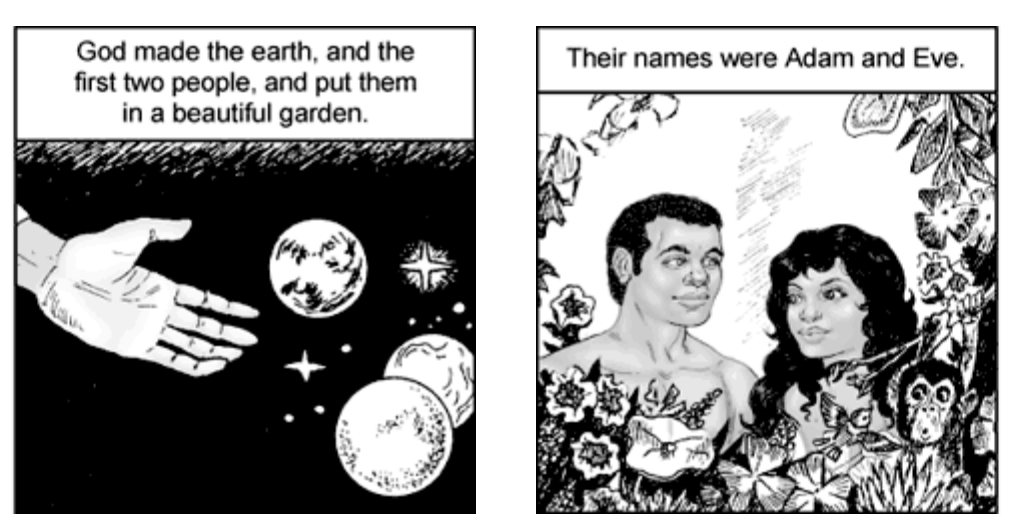
Hartley, Al (writer/artist). Up From Harlem. Westwood, NJ: Spire Christian Comics (Fleming H. Revell Publishing), 1972. Christian comic book story of Black evangelist Tom Skinner
1982 — Jack Chick Crusaders comic book and Jesus art
Carter, Fred (artist). Ontario, CA: Chick Publications, 1974-82. Ink and pencil, (Urban Ministries, Inc. 1987), Taken from http://thejesusquestion.org/2011/04/07/gethsemane-part-2-hematidrotic-jesus/
1994 - Kidz of the King, by Reggie Byers
One of the first Black evangelical children’s comics, independently published by King Comics by a renowned African American creator of manga in the 1980s.
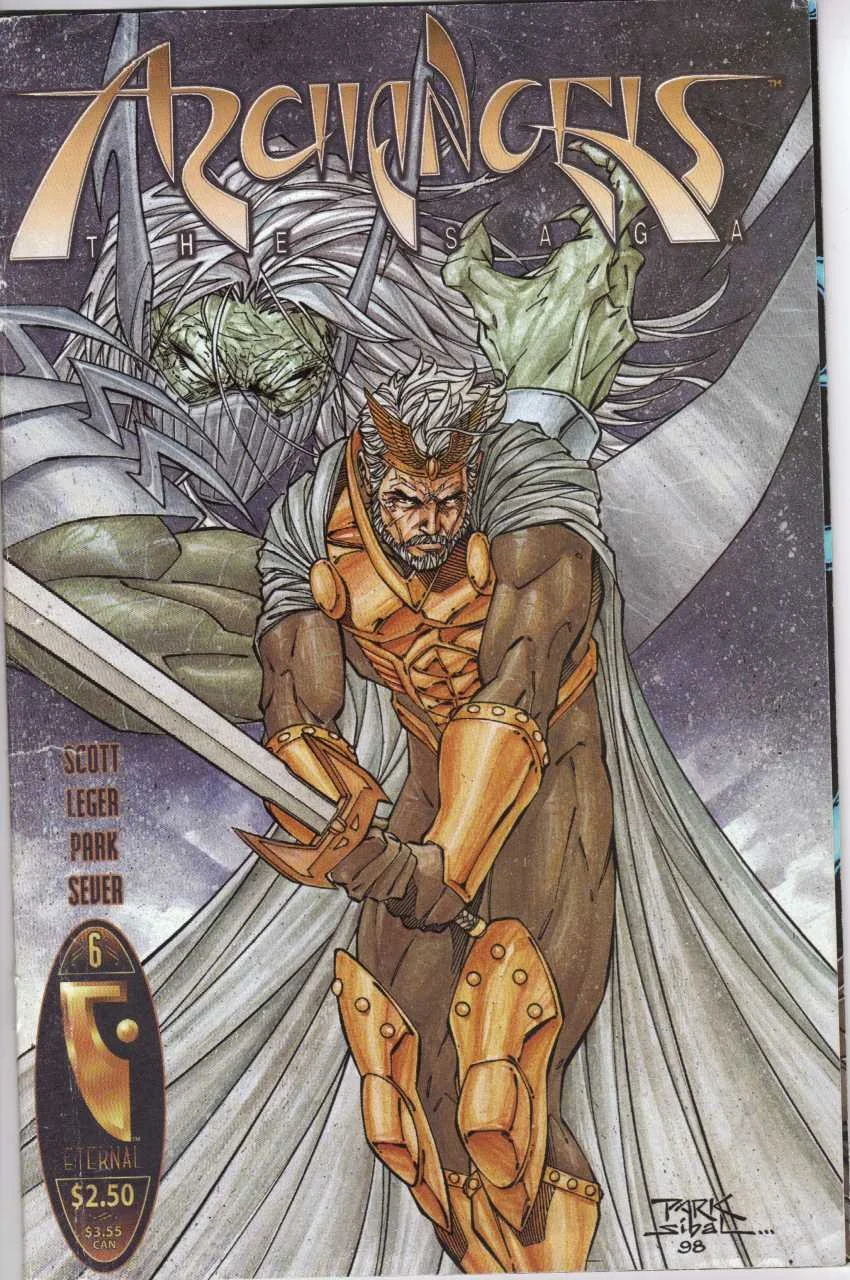
1995 — Archangels: The Saga
Sill, Patrick (writer), Gene Colan (artist), and Peter Gross (artist). Archangels: The Saga. Dallas: Eternal Studios, 1995.
2006 — Code/Joe and Max - various comic books
Urban Ministries, Inc. Code. Chicago: Urban Ministries, 2006. Black evangelical superhero comic books. Spearheaded by Michael Davis formerly of Milestone Media
2010 - Kingstone Bible Comics, Inclusive comics bible with Black characters, The Revelation, Art Ayris, The Kingstone Bible, 3 vols. (Kingstone Comics, 2016). A contemporary example of Christian series that demonstrates the focused use of comics for evangelical outreach within Black communities.

ABOUT AMANDA SMITH (1897) AND THE BLACKVILLE CHURCH (1903)
The cartoon presents evangelist Amanda Smith in a moment of animated devotion—arms raised and gesturing—focusing on the rarity of an African American being depicted in visual media at that time, in a newspaper advertisement in The New York World. Its emphasis lies in movement and expression, the hallmarks of late-nineteenth-century caricature, but in a positive register. While drawn by a white artist for a mass readership, the image treats Smith’s religious energy rather than her race as the featured element. It marks one of the earliest appearances of a Black female evangelist within the mainstream visual culture of cartooned faith and celebrity.
With regard to “The Blackville Church” and “Clean Pastures” (pictured below): Are these racist caricatures? They mark a visual contrast with authentic and empowering images of Black religiosity, which were rare. These stereotypes are visually constructed for white audiences as sources of pleasure and entertainment.
-
![]()
(1897) Cartoon of Amanda Smith, Black Female Evangelist
“Cartoon of Amanda Smith, Black Female Evangelist.” New York: New York World, 1897.
Celebrity advertisement, representational image, caricature
In the late 19th century, Amanda Smith's popularity as an African American female Methodist evangelist was mediated through newspaper coverage for Blacks and whites that promoted her as a celebrity. A cartoon image of her is one of the earliest in this exhibit. -
![]()
(1903) "At the Blackville Church"
New York: Judge Magazine 1903-01-24: Vol 44 Iss 1110
Stereotyped cartoon image of Black church scene
ABOUT BUNGLETON GREEN (1928)
As one of the earliest syndicated Black comic strips, its inclusion of church life is significant for showing internal community representation. It offers a humorous stereotype of the Black preacher, but it is not racist and denigrating.
-
![]()
Rogers, Leslie. Bungleton Green. Chicago Defender. Series first published 1920; specific church-community episode in 1928, satirical
-
![]()
Rogers, Leslie. Bungleton Green. Chicago Defender. Series first published 1920; specific church-community episode in 1928, satirical
-
![]()
Rogers, Leslie. Bungleton Green. Chicago Defender. Series first published 1920; specific church-community episode in 1928, satirical
-
![]()
Rogers, Leslie. Bungleton Green. Chicago Defender. Series first published 1920; specific church-community episode in 1928, satirical
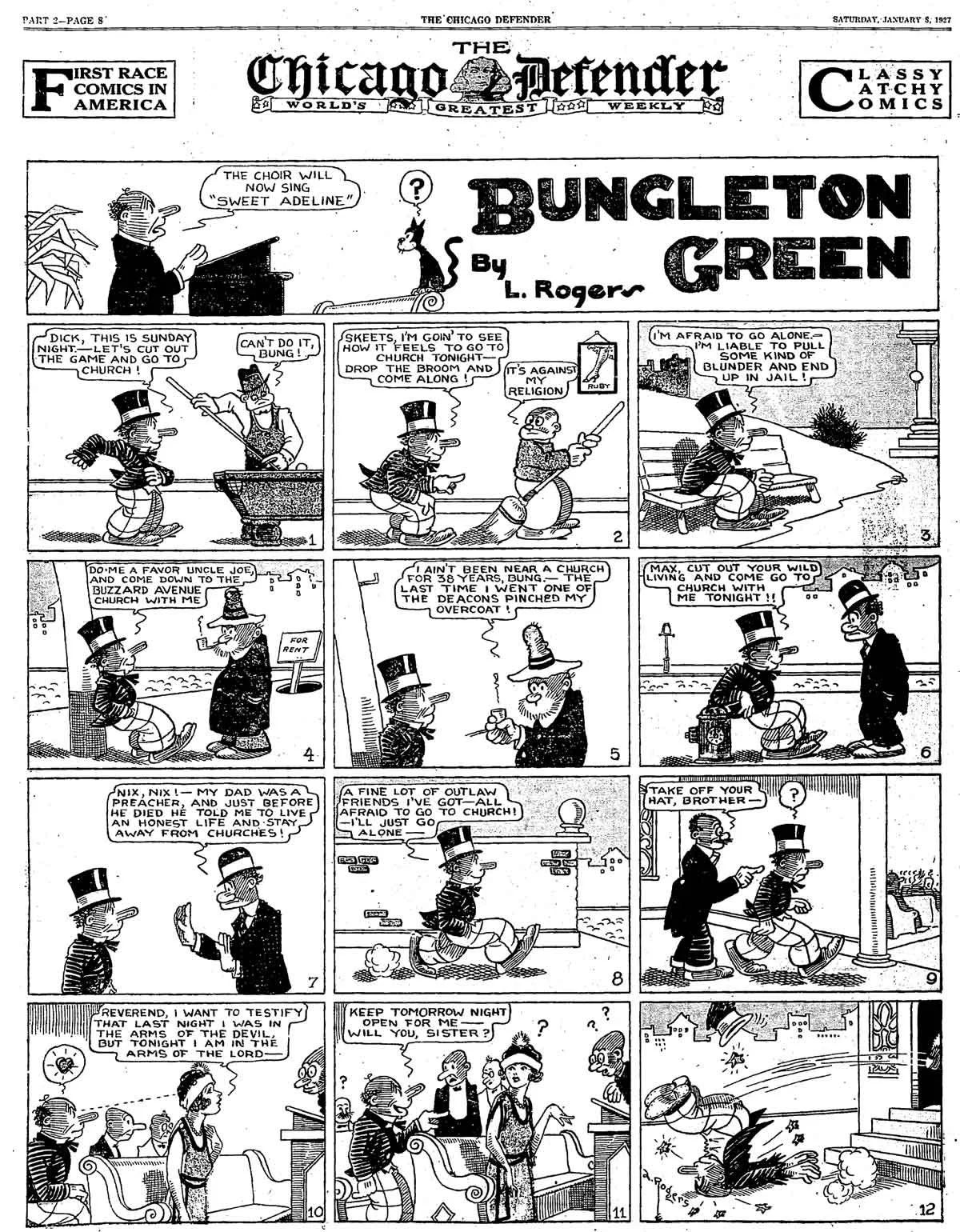
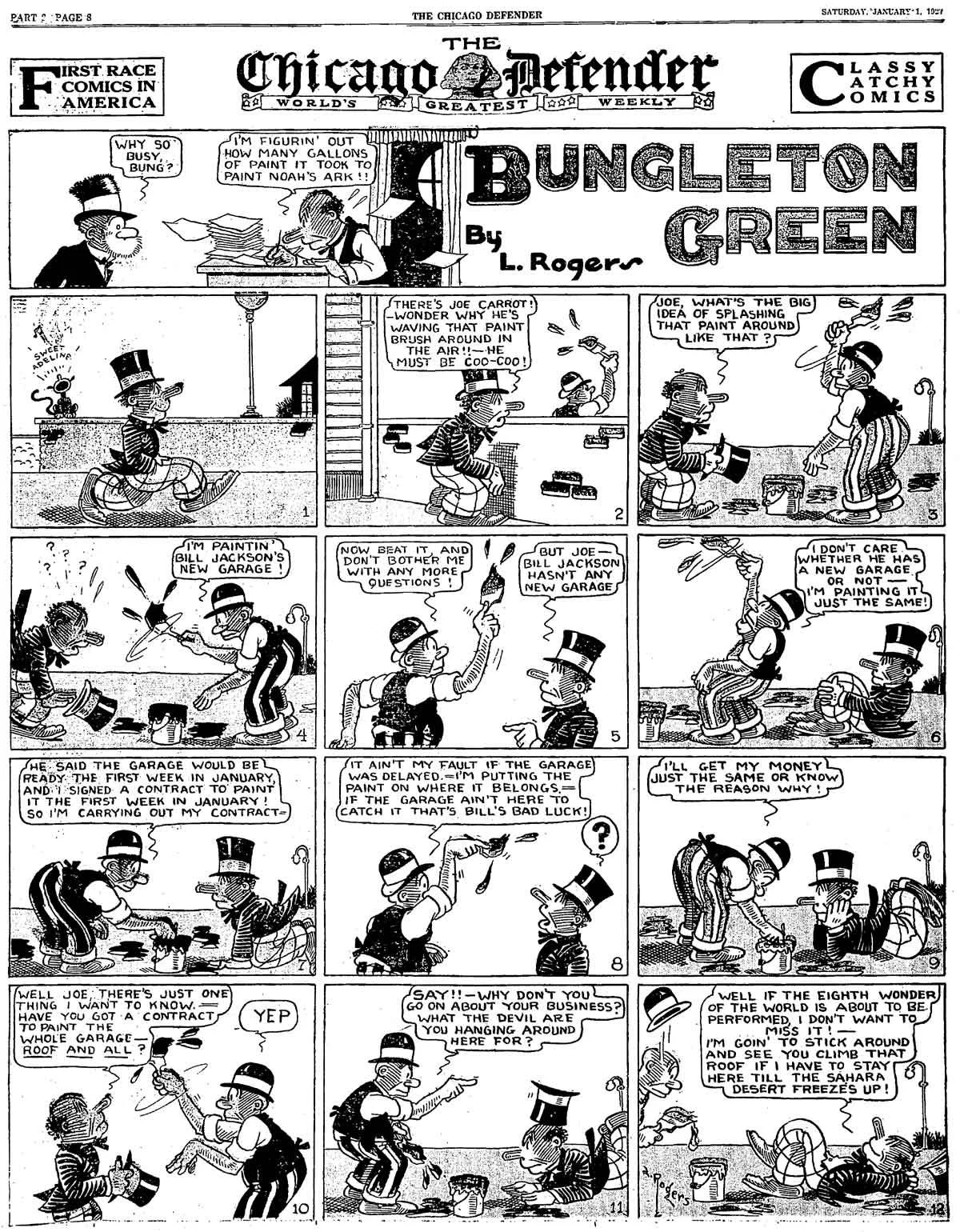
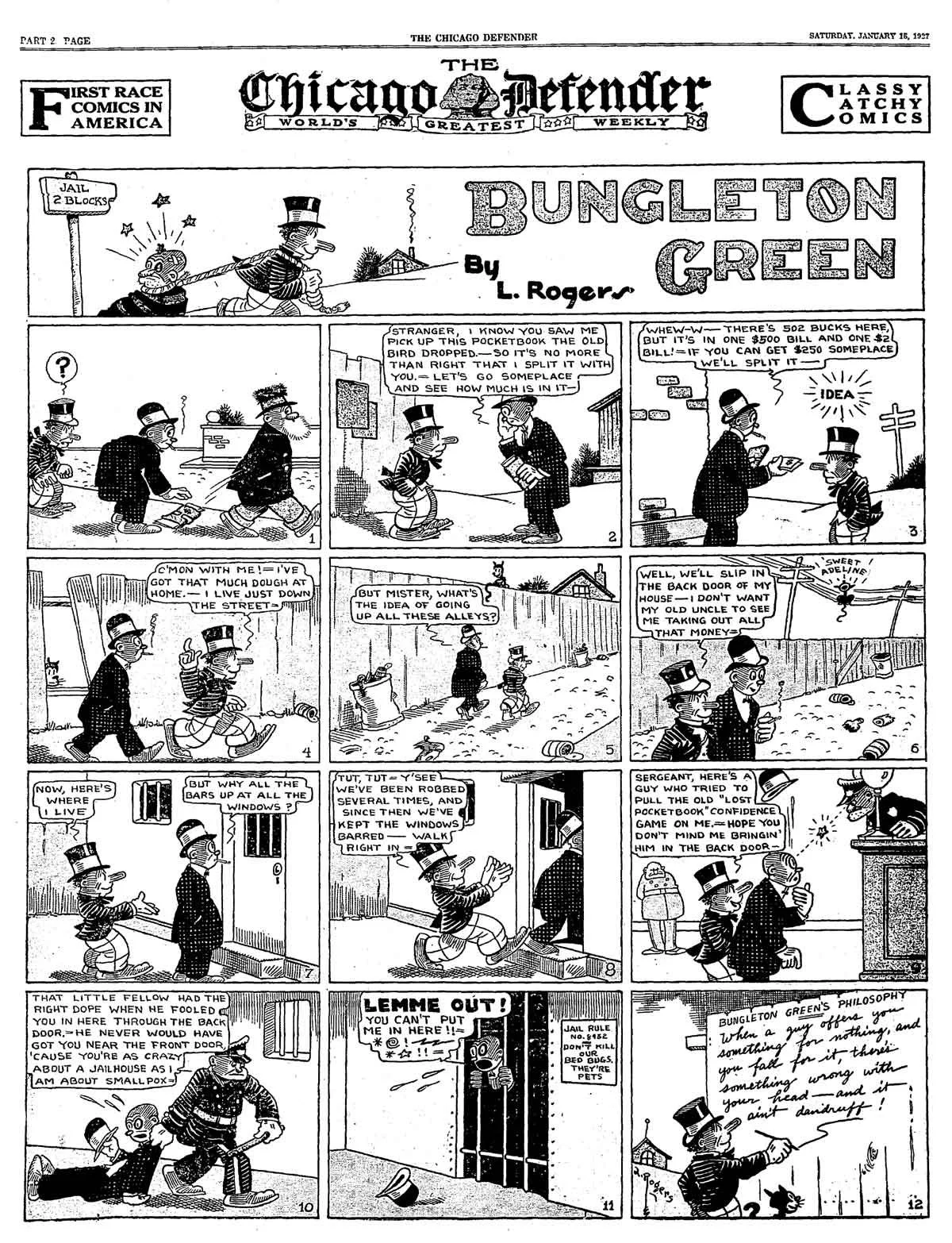
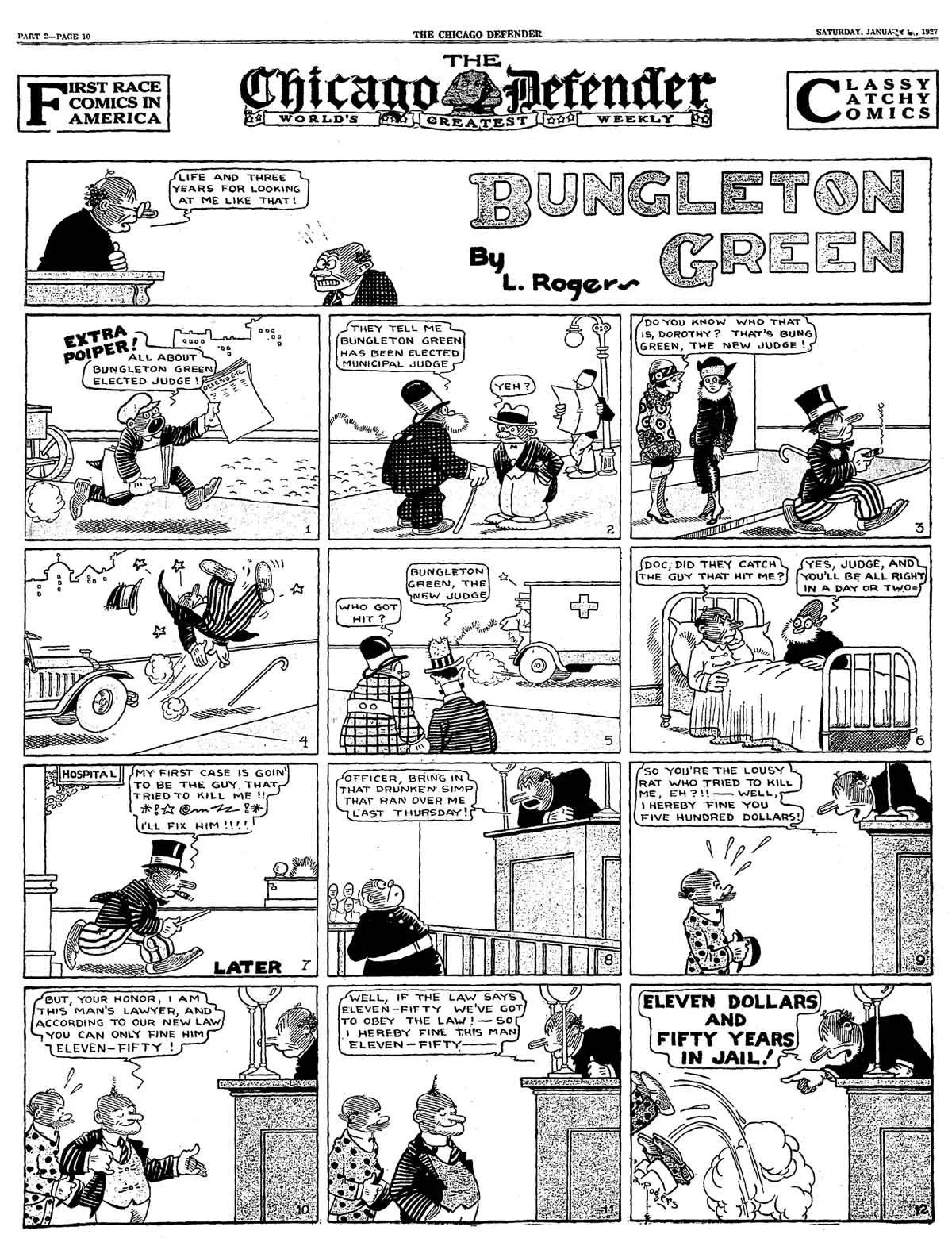
ABOUT “CLEAN PASTURES” (1937)
Early twentieth century cinematic cartoons recirculated images that borrowed specifically from African American Christianity. Blackface minstrelsy and vaudeville entertainment supplied many key models for film animators in the decades prior to the Second World War. The success of Depression-era cartooning owed much to the resonance of caricatures of Black figures that were inherited from political cartoons and nineteenth-century illustration. Despite the 1930 Production Code prohibiting “blasphemy, religious offense, and the ridicule of clergy,” Black religion was regularly “burlesqued.” Historian Henry T. Sampson notes this code was applied in ways not permitted against priests, rabbis, or leaders of other religious groups. By appropriating minstrel speech and manners from vaudeville acts, animators presented African American religion through the lens of comedy. Cartoons exaggerated Black Christianity through consistent lampooning. They ridiculed sacred expressions such as the unrestrained emotionalism, worship, dancing, shouting, rhythmic music, and collective ritual practices for manifesting the Spirit.
The image is a lobby card advertisement from the Merrie Melodies parody Clean Pastures (1937), a cartoon take on the widely popular film The Green Pastures (1936). Lobby cards were displayed in film theater lobbies to provide patrons with a preview of specific scenes or characters. The central figure parodies Rex Ingram’s "De Lawd" from The Green Pastures, surrounded by Black angelic caricatures of jazz celebrities such as Louis Armstrong and Cab Calloway.
Other Black religion-themed cartoons of this time included the biblical satire Goin’ to Heaven on a Mule (1934), the supernatural comedy A Haunting We Will Go (1939), the jazz-inflected Voodoo in Harlem (1938), and Hanna-Barbera’s Swing Social (1940). Using parody and racial hyperbole, these cartoons mimicked Black vernacular practices and its styles of folk Christianity to appropriate African American devotional performance for technicolor venues. Clean Pastures was eventually withdrawn from circulation in 1968 as part of the "Censored Eleven” collection that was removed from syndication due to racist content.
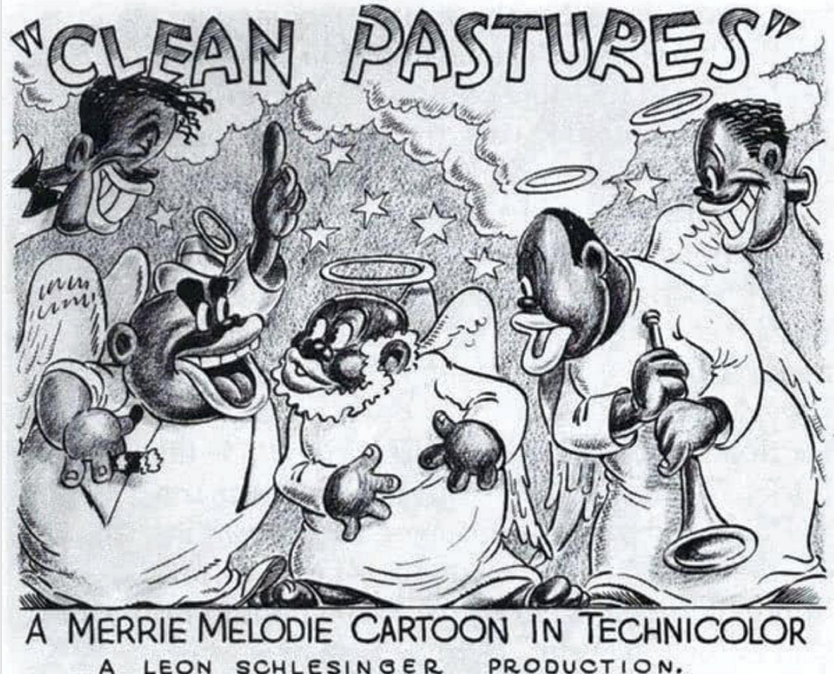
“Clean Pastures advertisement." Directed by I. Freleng, Leon Schlesinger Studios / Warner Bros., 1937. Artist: unknown
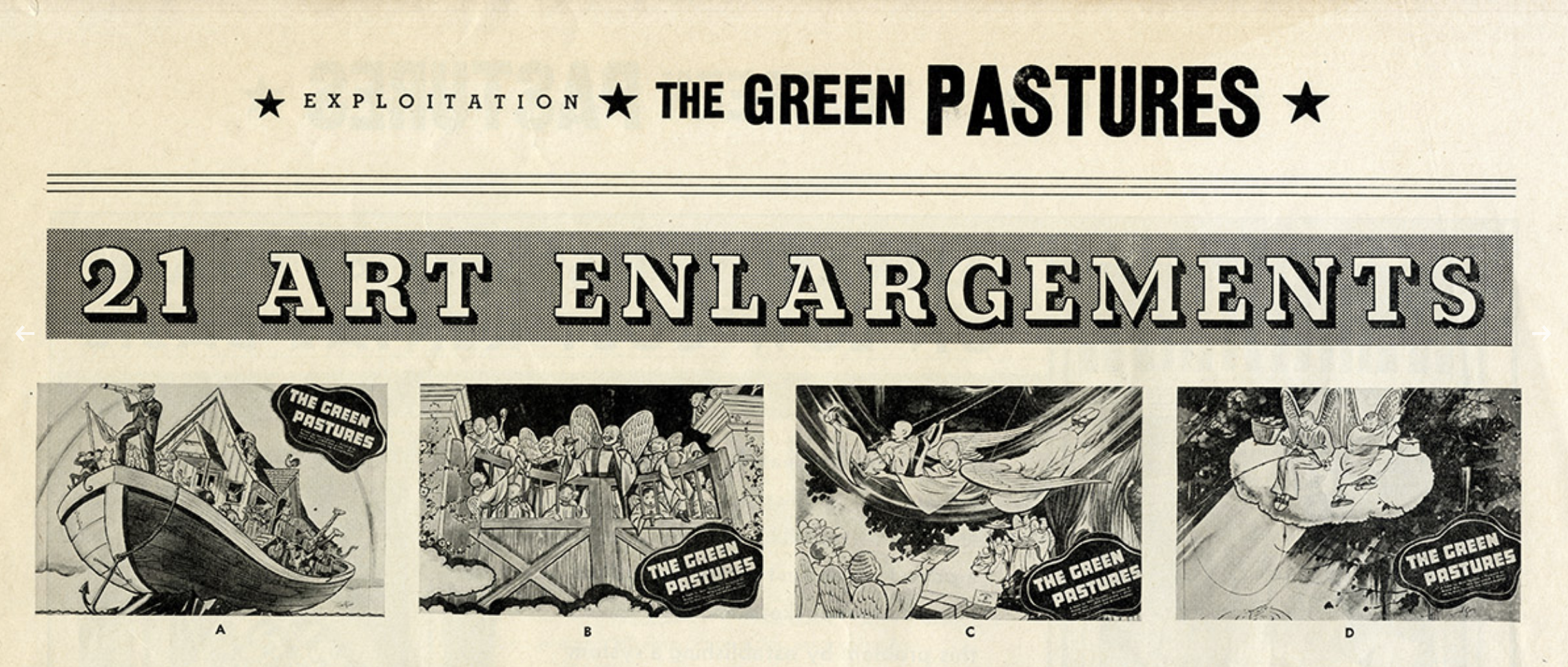
promotional materials for The Green Pastures (1936)
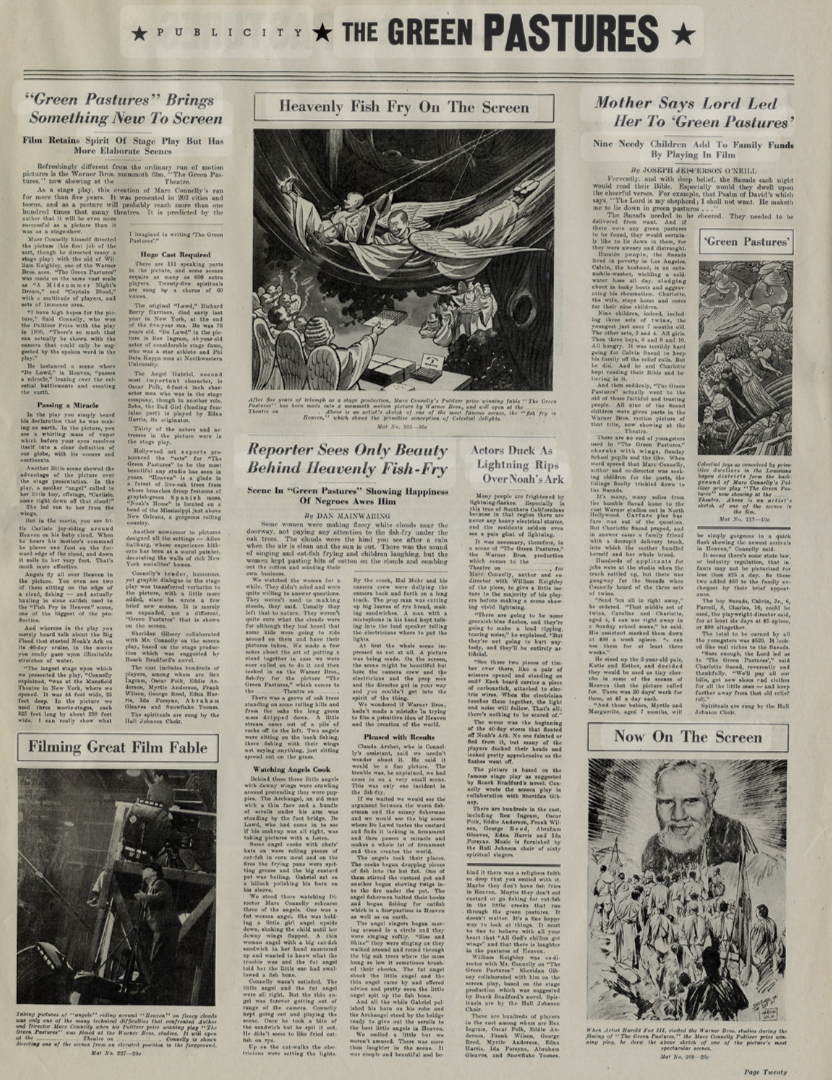
promotional materials for The Green Pastures (1936)
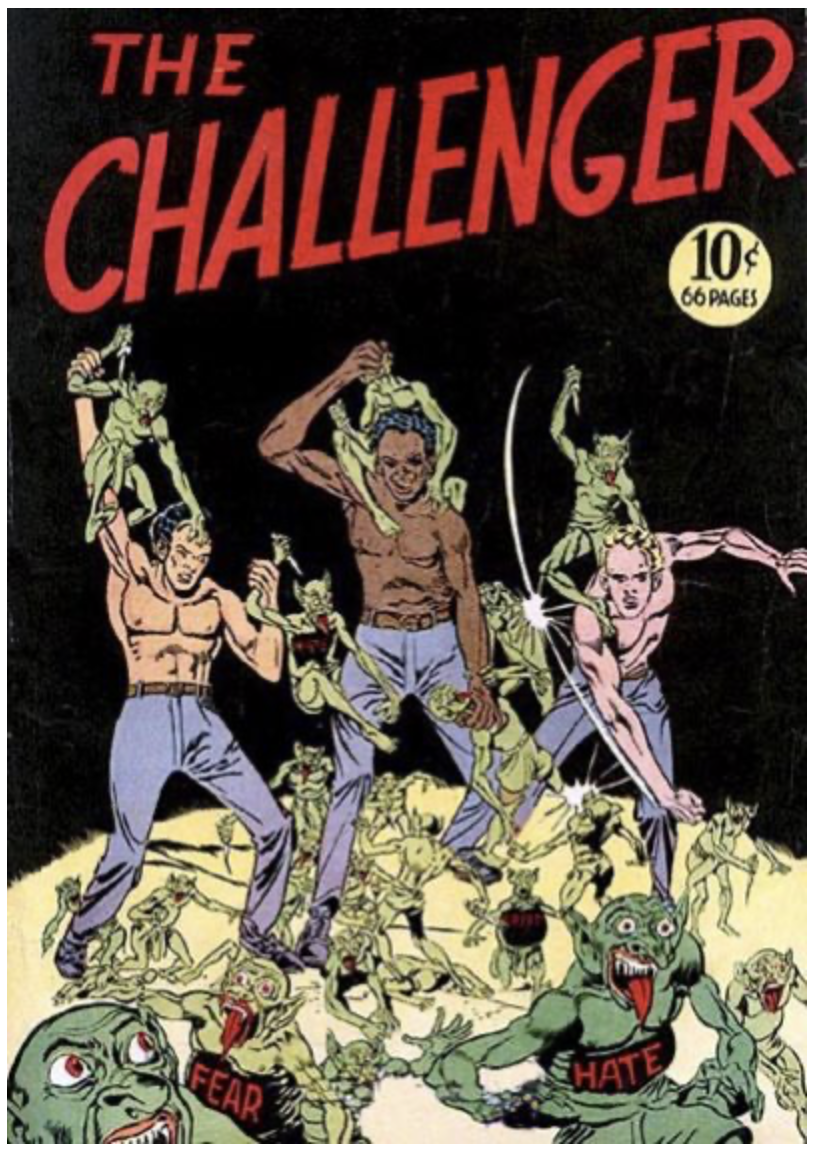
ABOUT THE CHALLENGER (1945) AND TREASURE CHEST (1946)
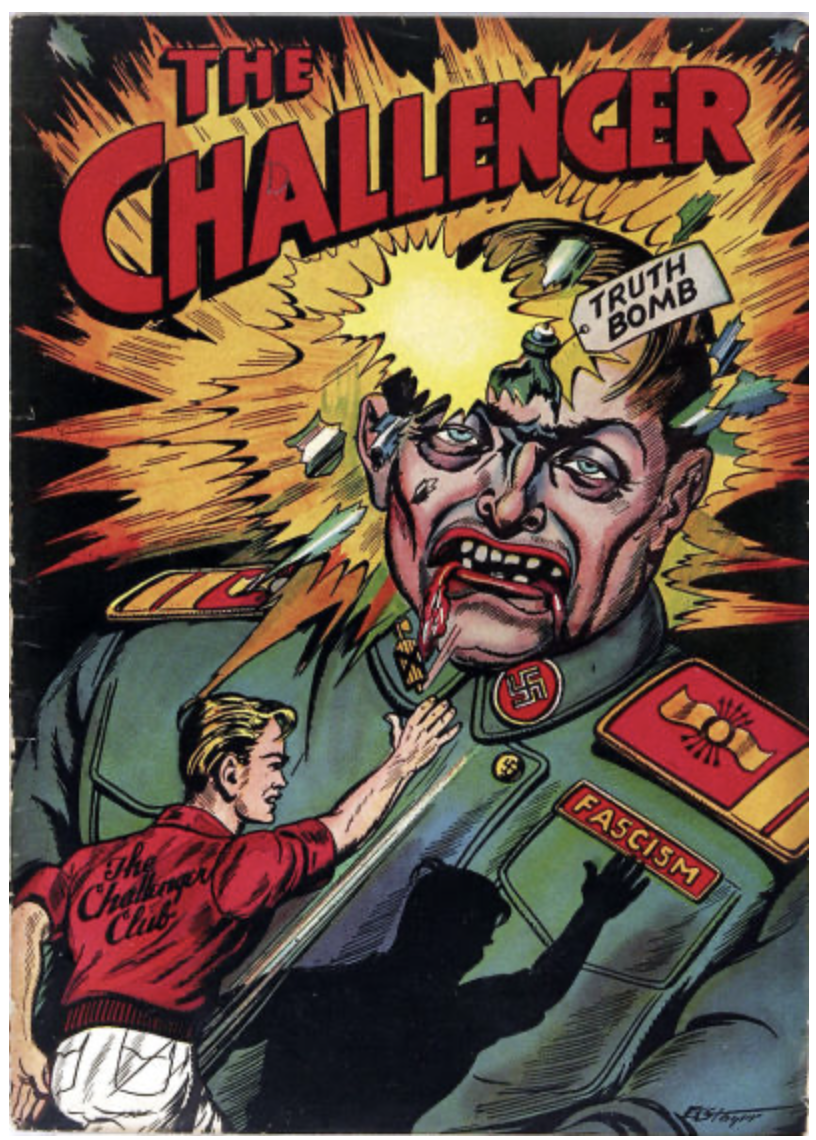
These comics highlight how religious organizations and churches, both Protestant and Catholic, used comics to visualize Black people and Black religious life through visual means for education. The Challenger pledge is a political anti-racist statement. The Treasure Chest of Fun and Fact was a Catholic educational comic book with representational Black characters, including stories of Black Catholics and a Catholic presidential candidate, Pettigrew.
-
![]()
(1945) The Challenger
Stoner, Elmer, Jr. The Challenger. New York: Interfaith Council of The Protestant Magazine, a socialist Christian group, 1945. Includes biography of Rev. Ben Richardson. Anti fascist and anti-racist activism comic book.
-
![]()
(1945) The Challenger
Stoner, Elmer, Jr. The Challenger. New York: Interfaith Council of The Protestant Magazine, a socialist Christian group, 1945. Includes biography of Rev. Ben Richardson. Anti fascist and anti-racist activism comic book.
ABOUT OLLIE HARRINGTON’S “DARK LAUGHTER” (1947)
“Dark Laughter” is an illustration of Harrington's role and breadth as an enormously important figure in the Black press. He was one of the first Black cartoonists to use the medium platform for radical commentary on political and social issues
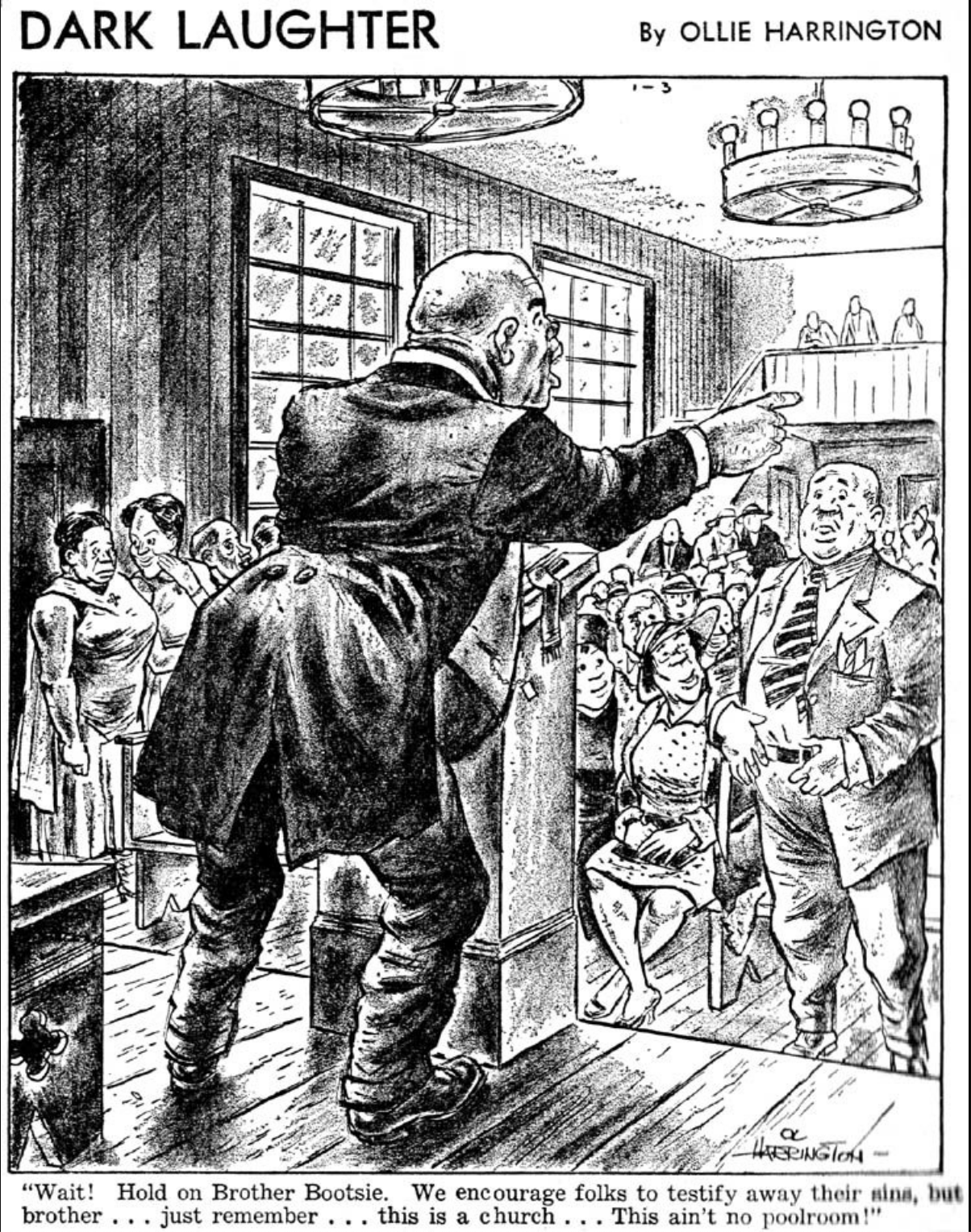
Harrington, Ollie. Dark Laughter. Syndicated strip. African American press, 1947–. Preacher character study, image.
ABOUT BLACKMAN (1971)
A popular cartoonist, Tom Floyd, creates a comic book that gestures towards the emerging Black power scene using in religious imagery in the 1970s
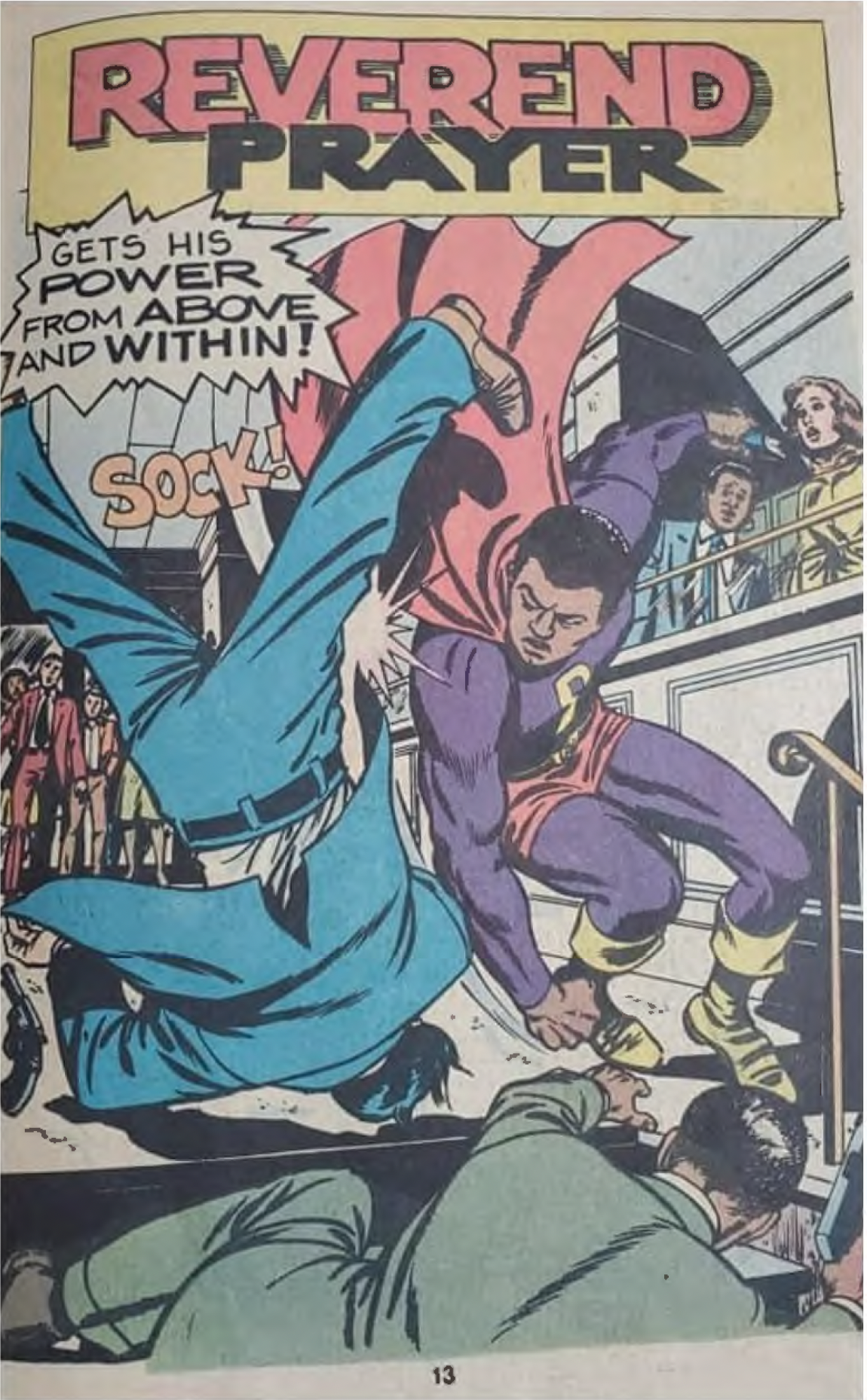
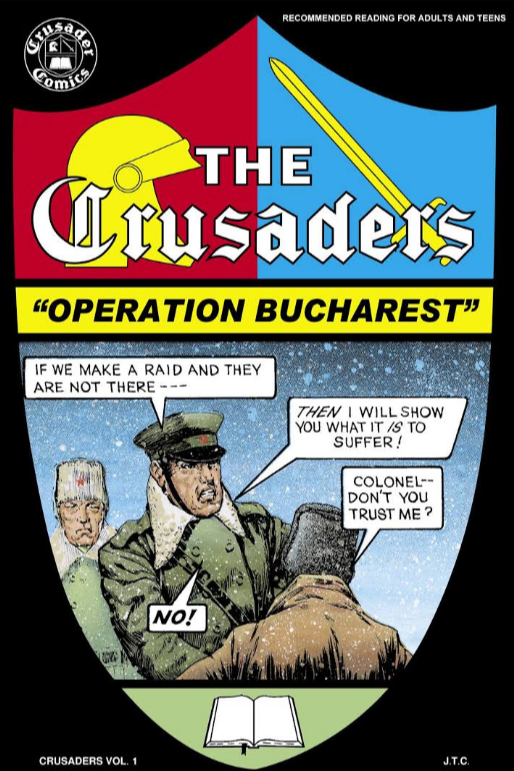
ABOUT FRED CARTER, CHICK TRACTS, AND THE CRUSADERS (1974-82)
These images represent the expansion of evangelical and faith-based comic books and cartoon art that engaged with Black religious characters and settings, yet through a specific white-oriented institutional and theological lens.
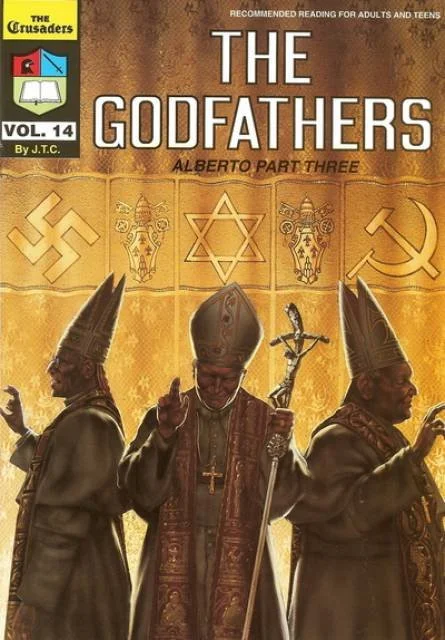
Christian publishers in the mid-20th century presumptively tailored their comics narratives and imagery for both Black and white audiences, yet these depictions rested upon similar, often problematic, assumptions about race. A unique example of a publisher with a multi-racial reach and appeal is Jack Chick, a California-based publisher who gained notoriety within the fundamentalist Christian scene in the early 1970s. His brand of independent Baptist fundamentalism emphasized the inerrancy of Scripture and the imminent arrival of the Antichrist before Christ's triumphant return. Chick Publishing capitalized on growing evangelical anxieties about mainstream institutions, including government, the media, and established churches. Recognizing comics as a powerful medium for outreach, Chick produced cartoon "witnessing tracts" that were filled with fiery pronouncements and scathing denunciations of those deemed to be racial and religious others. These comics created caricatured portrayals of Catholicism, Islam, and non-Christian religions but also, we will see, innovated African American images and racial themes.
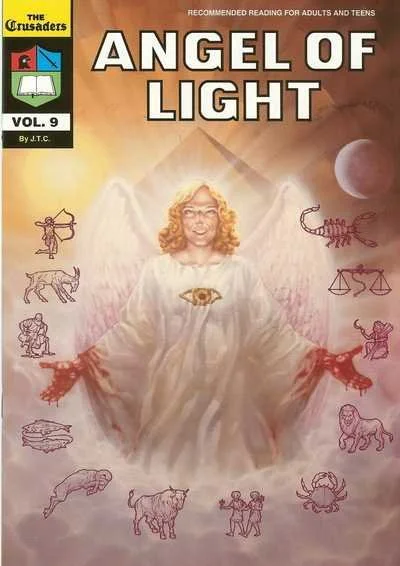
Though widely dismissed by religious scholars, Jack Chick's publications garnered a devoted readership. Mark Dery has described the tracts as a “cultural gene-splice of the religious tract and Maoist agit-prop booklets.” Others acknowledge that Chick is “the most underground of underground cartoonists” and one of the most successful in terms of circulation and readership. His comics offered clear pictorial and literary pronouncements of salvation and redemption woven amidst the devastation of a fallen world, promoting a base understanding of the gospel message as a clear cut vision of heaven and hell, life and death. Biblical quotes and scripture references laced with conspiracy theories and fundamentalist doctrine, painted a bleak world locked in spiritual warfare. Chick's comics furnished chilling imagery of a web of societal ills – assaults upon the traditional family, homosexuality, and drug addiction. Juxtaposed against these threats loomed Lucifer, the Antichrist figure from the Book of Revelation and a sinister portrayal of the Vatican as an occult deep state. Chick’s cultural critique, rooted in fears of increasing religious and cultural diversity and perceived moral decline, was not particular to his comics. Similar anxieties had echoed in earlier 20th-century comics. However, Chick's targets extended to those that were viewed incompatible with true Christianity within a narrow discourse of religious fundamentalism. Furthermore, unlike most Christian comics of the time, these comics also explicitly and directly addressed the Black religious experience.
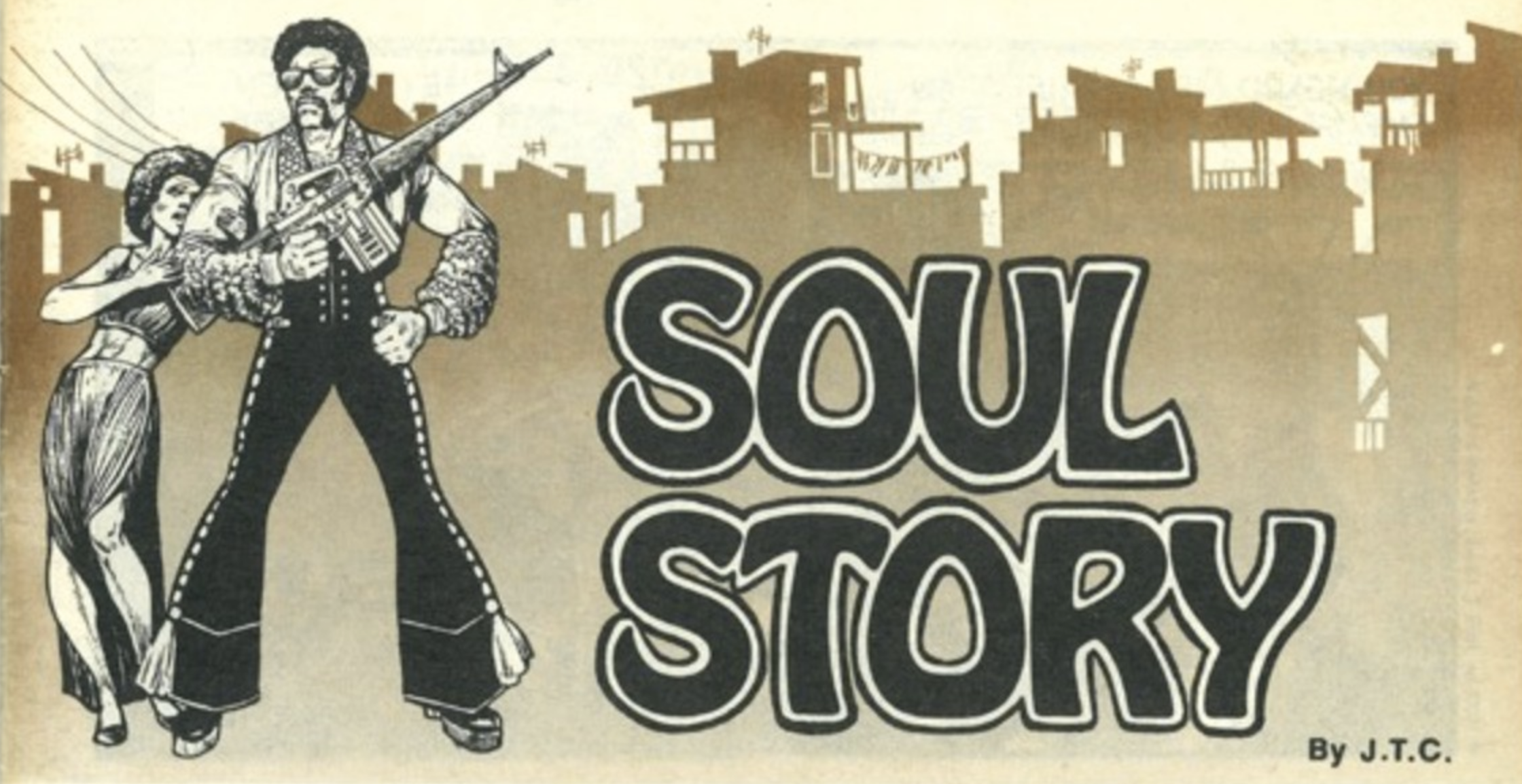
Much like Spire’s Up From Harlem, many of the Jack Chick publications adhered to period-specific aesthetic styles in their presentation of Black people. This is especially evident in The Crusaders, written and illustrated by the African American cartoonist Fred Carter. Though uncredited for much of his career, Carter created Jack Chick comics from roughly 1972 to 1980. An ordained minister and talented painter, he authored some of the most recognizable content directed at Black audiences in the Jack Chick catalog, including Soul Story and Burn, Baby, Burn. In 2000, he produced the Children of Color Bible with original oil paintings, crafting some of the few images of Jesus Christ with a Black body. Visual studies scholar David Morgan notes that Carter's illustrations acknowledged African American identity by incorporating race and religious faith, "celebrating Blackness without apology." Carter, who passed away in 2022, is considered one of the most widely seen African American comics illustrators of the 20th century.
Jack Chick's comic tracts, ubiquitous yet contentious, became an indelible expression of American Christian conservative evangelical and fundamentalist culture. Overflowing with fiery admonitions and images of social carnage, these "horror tracts," as Religion scholar Jason Bivins has called them, combine spiritual fervor, cultural anxiety, and conspiracy. Bivins argues that Chick's brand of intense paranoia and apocalyptic rhetoric align with what he calls the "religion of fear," a religious ideology with strong political ties to the right wing evangelical moral majority ascendancy of the Reagan era.
Paradoxically, while often perceived as fear-mongering, Chick tracts have offered solace to many Christian readers. Christian converts, in particular, found use in their clear delineation of the path to salvation, their warnings of imminent spiritual peril, their affective visions of the terrible wages of sin, and their florid illustrations of the heavenly afterlife. Scholar David Lynn Bell observes that Chick tracts have resonated most with those already familiar with Christian tenets, particularly those who had not yet fully committed to the faith (Bell, 213). This suggests that the tracts' effectiveness lay in their reinforcement of existing beliefs rather than their persuasive power over the uninitiated. The subjective nature of their reception complicates the history of Chick tracts. While they evoked strong responses—whether derision and hostility from those outside conservative evangelical and fundamentalist communities, or reassurance and comfort to those within—they undeniably offer valuable insights into 20th century Christianity and its unique visual articulations in the comics form. Their inflammatory rhetoric, overt homophobia, and anti-progressive ideology have been widely denounced, but they also serve as a fascinating window into the anxieties, aspirations, and theological perspectives of a specific segment of American religious culture.
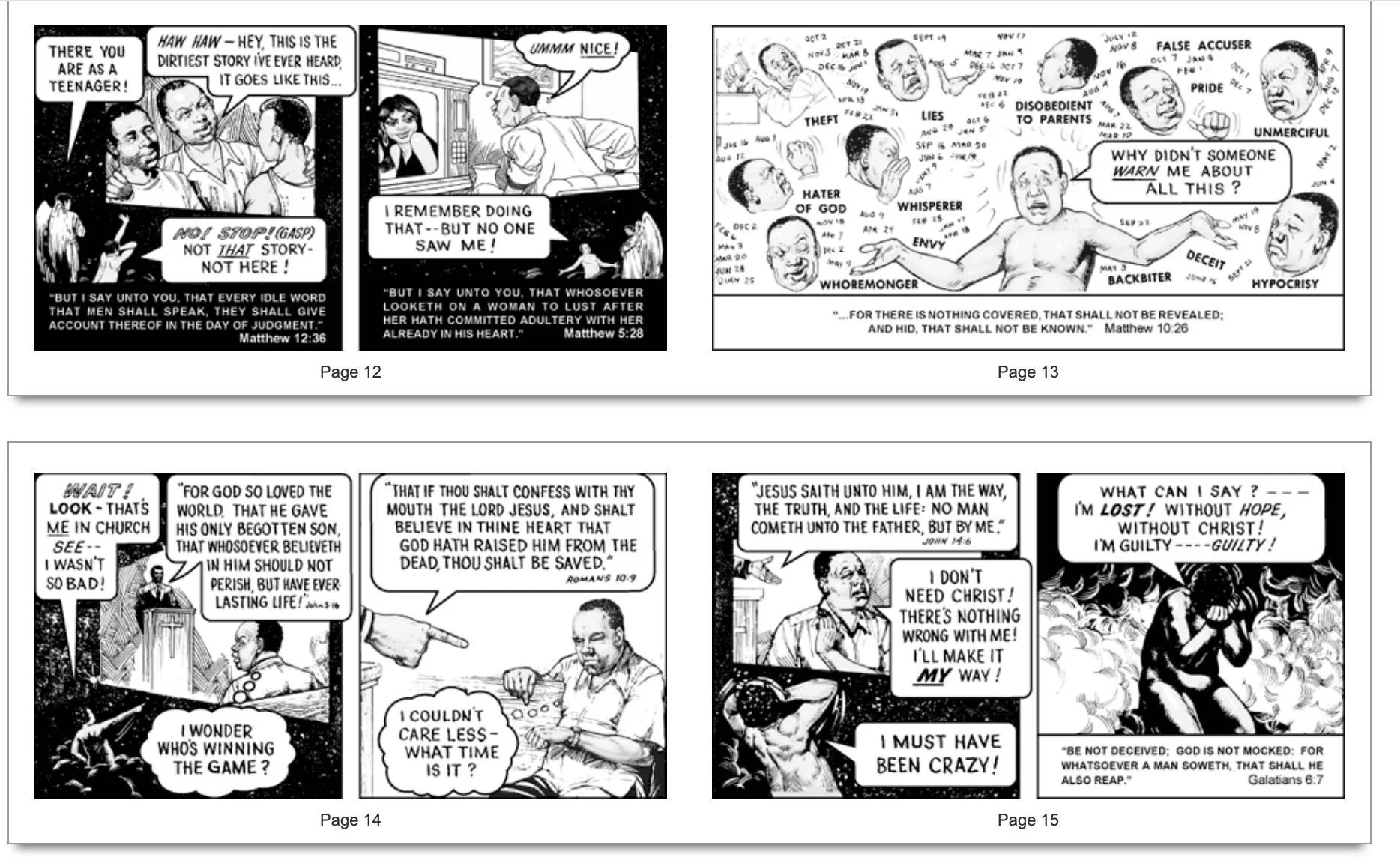
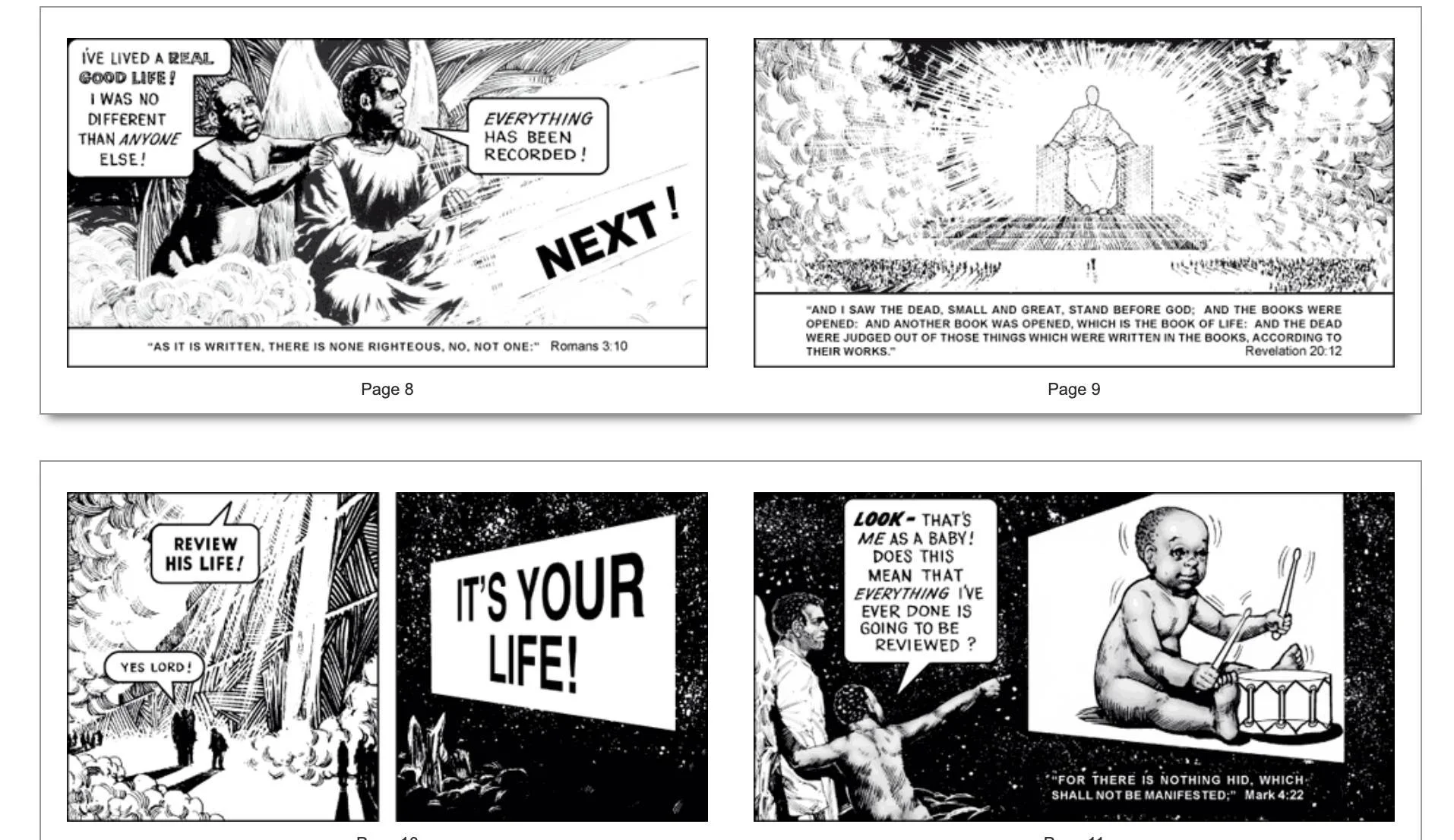
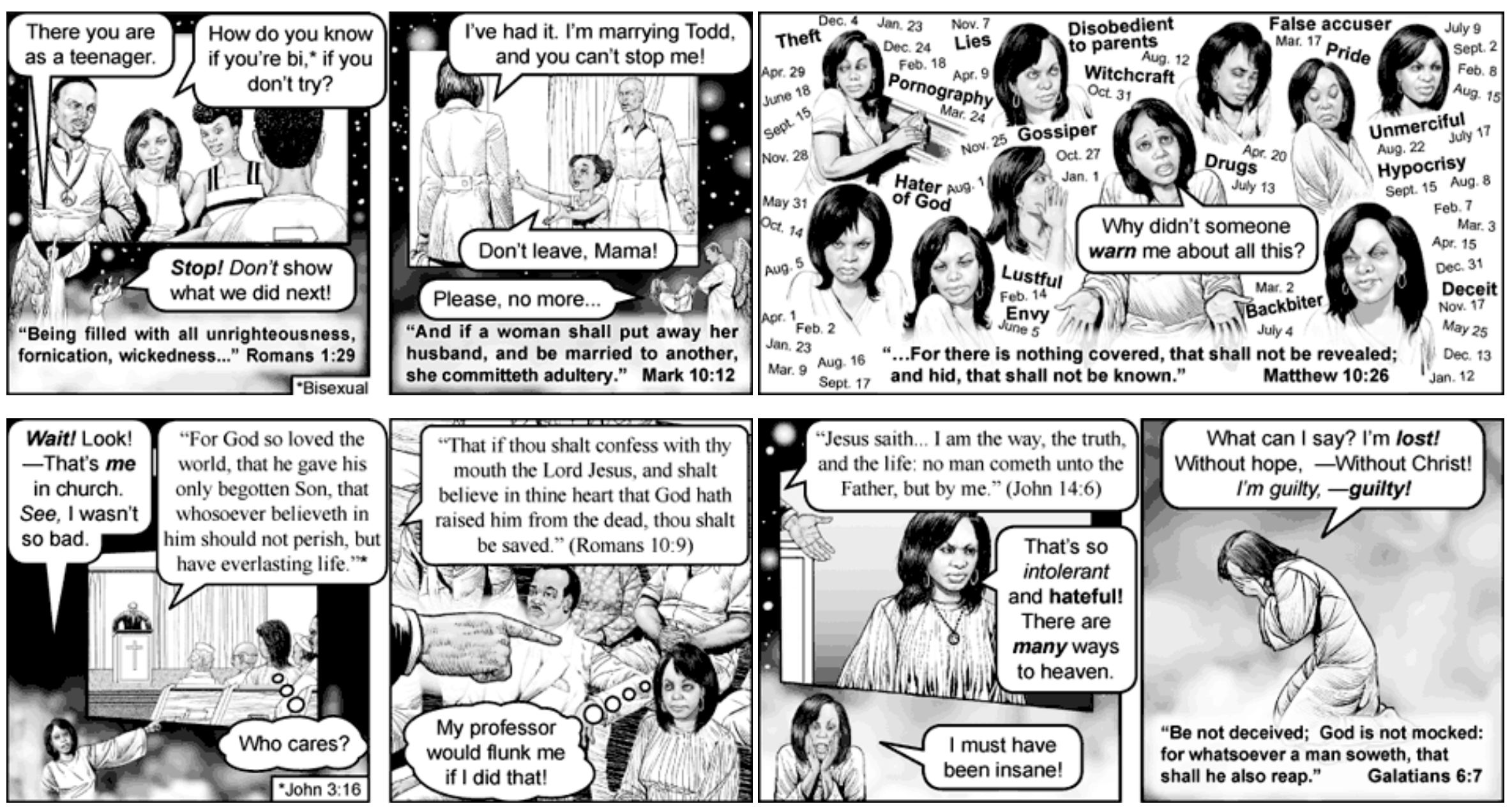
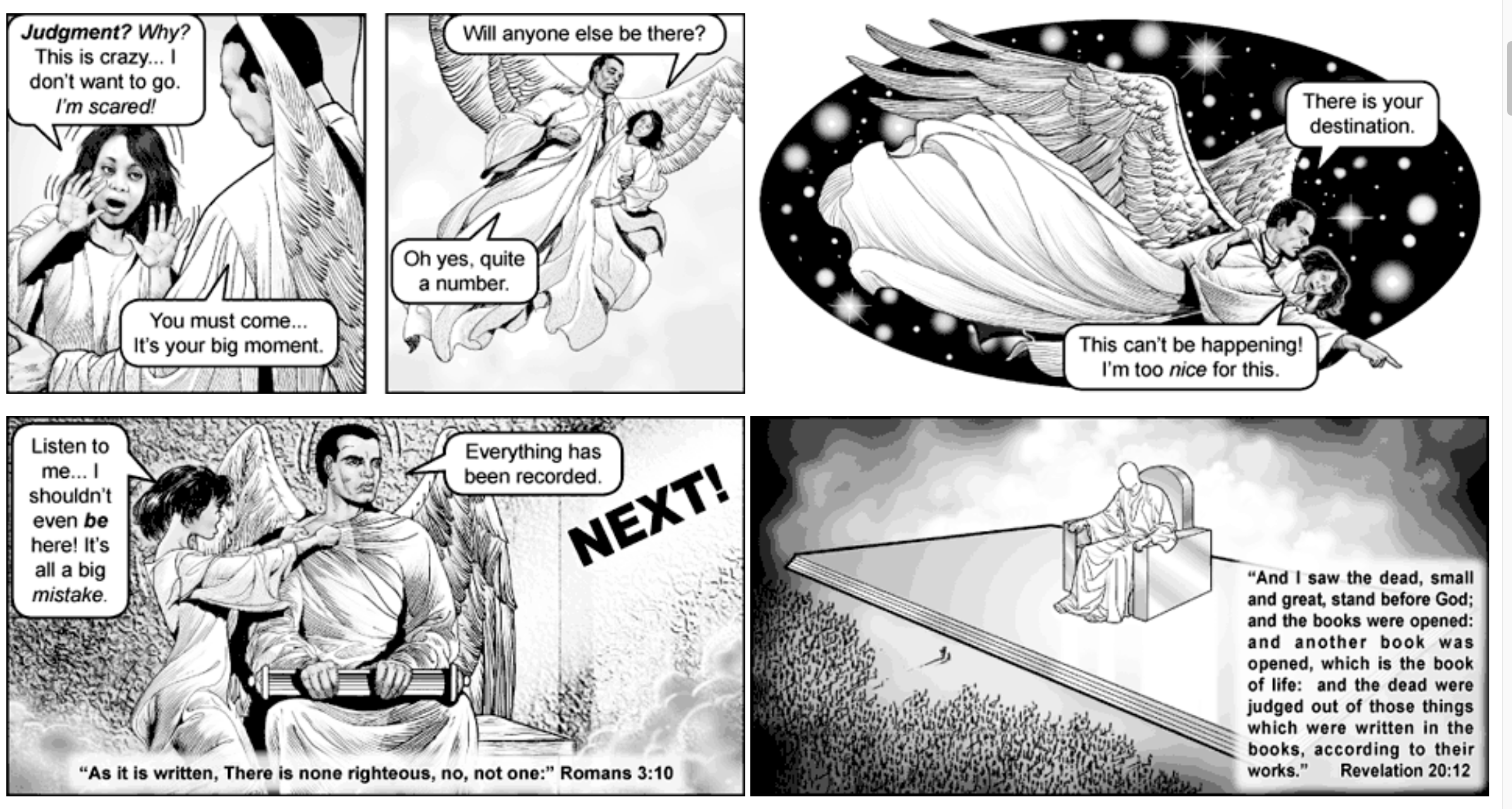
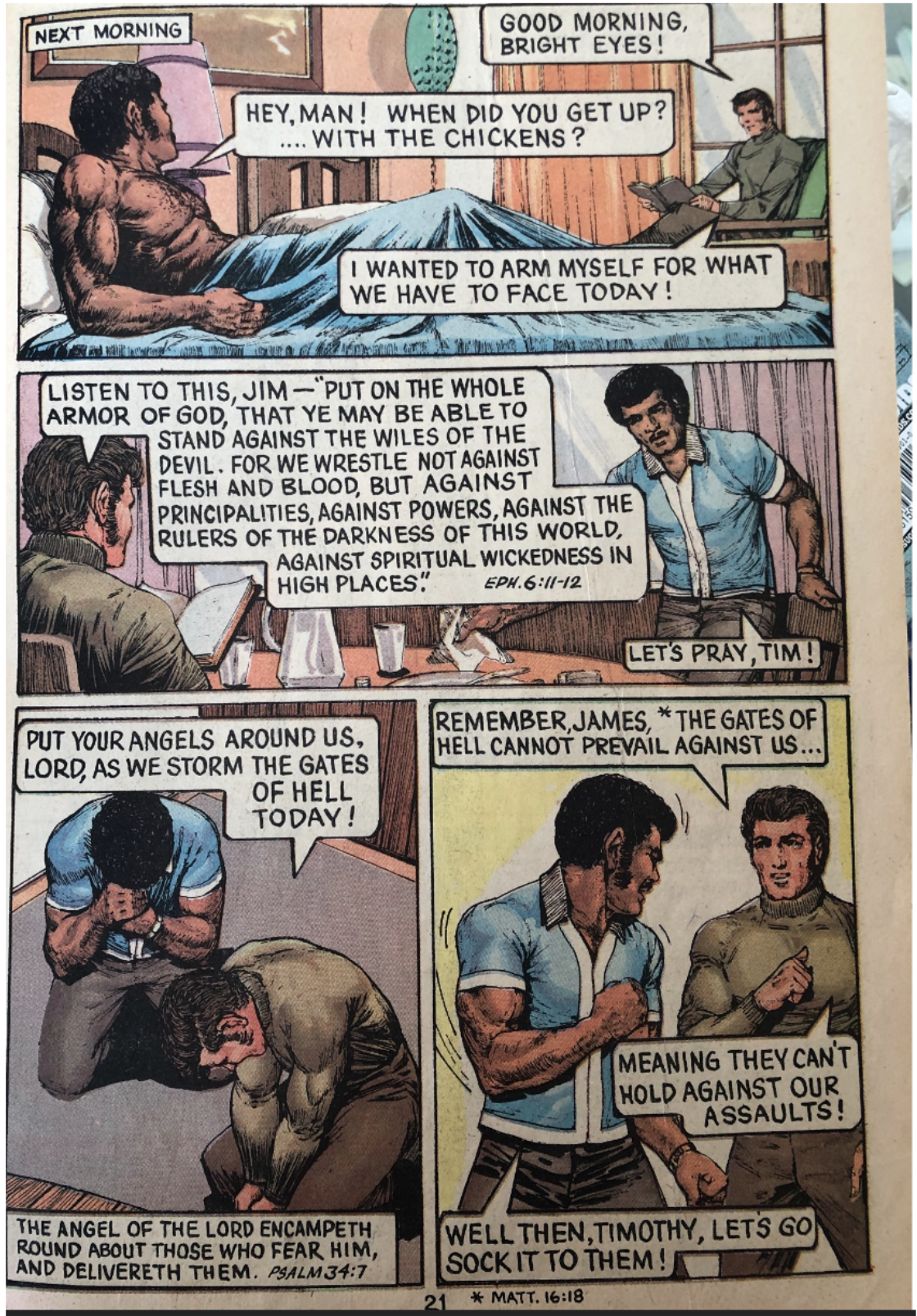
In 1974, Chick Publications introduced The Crusaders, starring one of the few original Black protagonists in religious comics, James Carter. Carter was portrayed as highly skilled, intelligent, capable, and confident—a stark contrast to the subservient and comedic roles assigned to African American characters in earlier comics. The series' primary illustrator, Fred Carter, employed a detailed, hyper realistic style of embodiment. Carter rendered Black bodies with fullness and humanity, and the personification of strength and vigor - an unusual racial and gender value given its readership in white conservative Christian circles. In Carter's hands, the African American male of the comics was created as an embodiment of the Divine. Joe McCulloch, writing in The Comics Journal (2021), described Fred Carter's artistic style as possessing "detailed muscularity with a prodigious gift” for “puffy, beefy faces" and "Corbenesque," after the acclaimed underground horror illustrator Richard Corben. According to comics critic Daniel K. Raeburn, Carter’s use of “the Filipino inking style” recalls the work of horror comic artists like Jesus Jodloman While Carter's artwork for Jack Chick's comics may be removed from the aesthetic complexity of 21st-century graphic novels, it nonetheless exhibited an originality that is captured in his use of sequential art and panel layouts, elements that would become foundational to the graphic novel genre.
In The Crusaders, alongside his white partner Timothy Emerson Scott, a former green Beret, James Carter embarked on dangerous international missions, a force for good, a secret agent in the name of Jesus Christ. Unlike his partner, a seasoned and disciplined military veteran, James Carter was created as a reformed criminal, a former kingpin of the narcotics trade, his malevolent past marked by his imposing presence, and street fighting skills borne of his troubled life in the inner city. Flashbacks in the series serve as testimonials of the harrowing experiences that left him broken and near-death, leading to his spiritual awakening and ultimate conversion, shedding his former identity, embracing the power and purpose in Christianity, and adopting a new mission as an agent for Jesus. . Although conceived as a black and white buddy comic, the portrayal of an Black male action hero as a lead role was unique in Christian comics of any kind. The visuals also reframed presuppositions of African American in the medium. Carter is depicted as a tough, imposing and devout prayer warrior. Indeed, his image as a cool, Afro-wearing protagonist resonated with other Blaxploitation-type heroes in popular culture and film, like John Shaft and Luke Cage of Marvel comics. These characters, embodying the era's stereotypical portrayal of Black men as hyper-masculine, hyper-sexualized, and amormal street-wise heroes and anti heroes, became the vehicles for exploring themes of class and race through their macho, anti-social behavior. By depicting James Carter as Black Christian comics action hero, the Crusaders upturned racialist depictions by presenting a positive representation of a African American male Christian superhero, a first in the world of Christian comics. His adventures and dangerous and exciting missions enacted the duality of Jack Chick comics universe, a world where divine presence and redemption tangled with spiritual darkness.
-
![]()
The Crusaders: Operation Bucharest
Artist: Fred Carter
Publisher: Jack Chick Comics, 1974 -
![]()
The Crusaders: The Godfathers
Artist: Fred Carter
Publisher: Jack Chick Comics -
![]()
The Crusaders: Angel of Light
Artist: Fred Carter
Publisher: Jack Chick Comics -
![]()
page from an issue of the Crusaders
Artist: Fred Carter
Publisher: Jack Chick Comics
Fred Carter’s Black Jesus (1978)
Fred Carter was an uncredited artist for Jack Chick Publications until 1980. He created tracts and cartoons for the fundamentalist and evangelical Christian market. Carter’s art was recognizable for its dramatic, somatically muscular, and visceral realistic style. Carter authored some of the most well known content for Black audiences in the Chick catalog, including “Soul Story” and “Burn, Baby, Burn.”
In 1974 Carter produced the first interracial comic book superhero team action comic series, The Crusaders. An ordained minister, Carter created an illustrated Bible with original oil paintings that included one of the first images of Jesus Christ incarnated in a Black body.
For some artists, the choice to portray Jesus as a Black man was not unthinkable. It was not about provocation but about historical clarity. To many African Americans, illustrating Christ in their image was a way to remove him from the justifications of the slaveholder’s Bible, to see him not as a distant, unmarked figure but as someone whose life reflected the realities of oppression and state violence. A Christ who belonged to the persecuted, not the powerful. For these Christians, the Black Jesus was not an abstraction but a direct claim. His face and body was shaped by the same histories of forced labor, survival, and resistance. To depict was to recognize the lived experience of those who had endured under systems that saw them as expendable. It was not just an image but a reassertion of who Christ was and who he stood with, a reminder that his suffering was not separate from theirs.
The figure of Christ as presented in the comics provides a stark example of how comic books have reflected the religious and racial cultures out of which they arose. Despite considerable historical uncertainty about Jesus's appearance, images of Christ as white have prevailed in American visual media. This tendency has been overtly articulated, even by scholars, such that even a prominent historian of world religions in 1958 could baldly claim that Jesus 'was probably a tanned white man.' Such ubiquitous, almost common sense depictions of the white Jesus function as a clear mechanism by which Americans envisioned God in their own likeness. For much of the twentieth-century Religion-themed comics normalized these racial and religious assumptions and accepted them as truth.
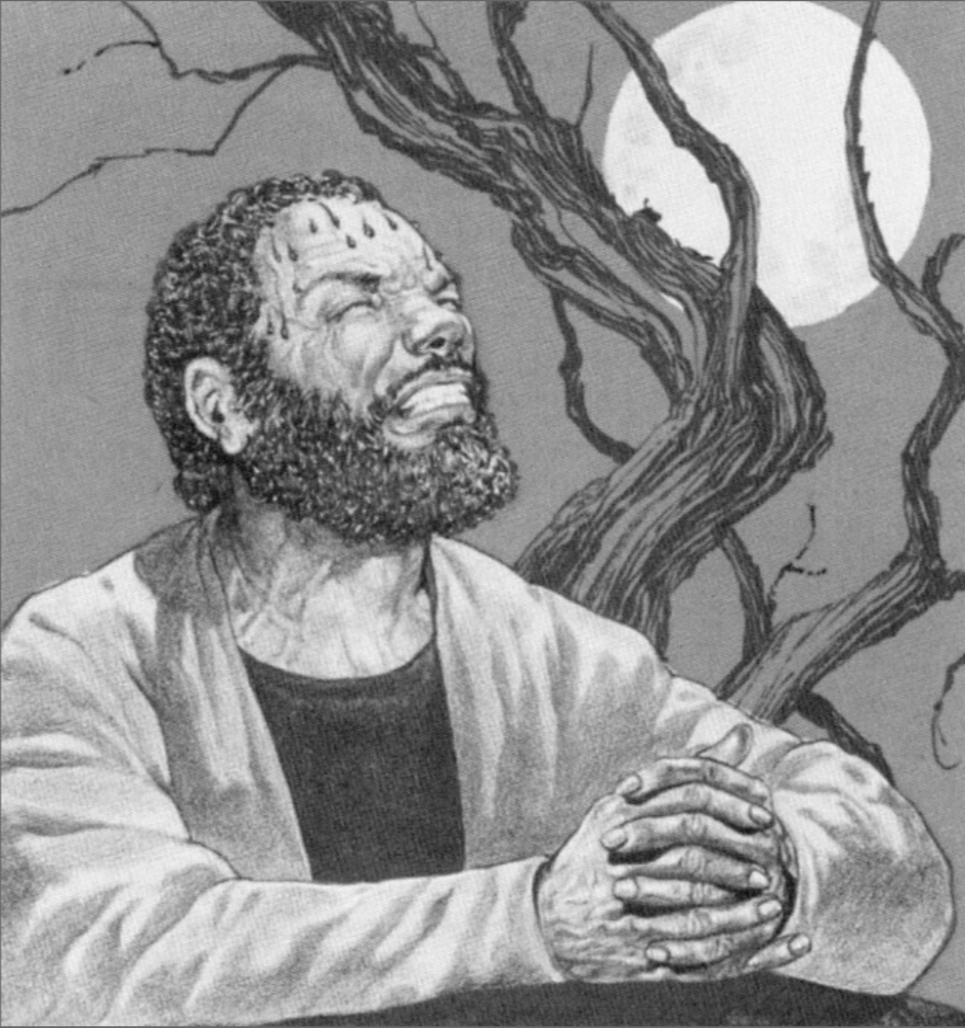
Fred Carter, Jesus Praying in the Garden, 1978, ink and pencil, 7 3/8 × 7 5/16 inches. Courtesy of Urban Ministries, Inc.
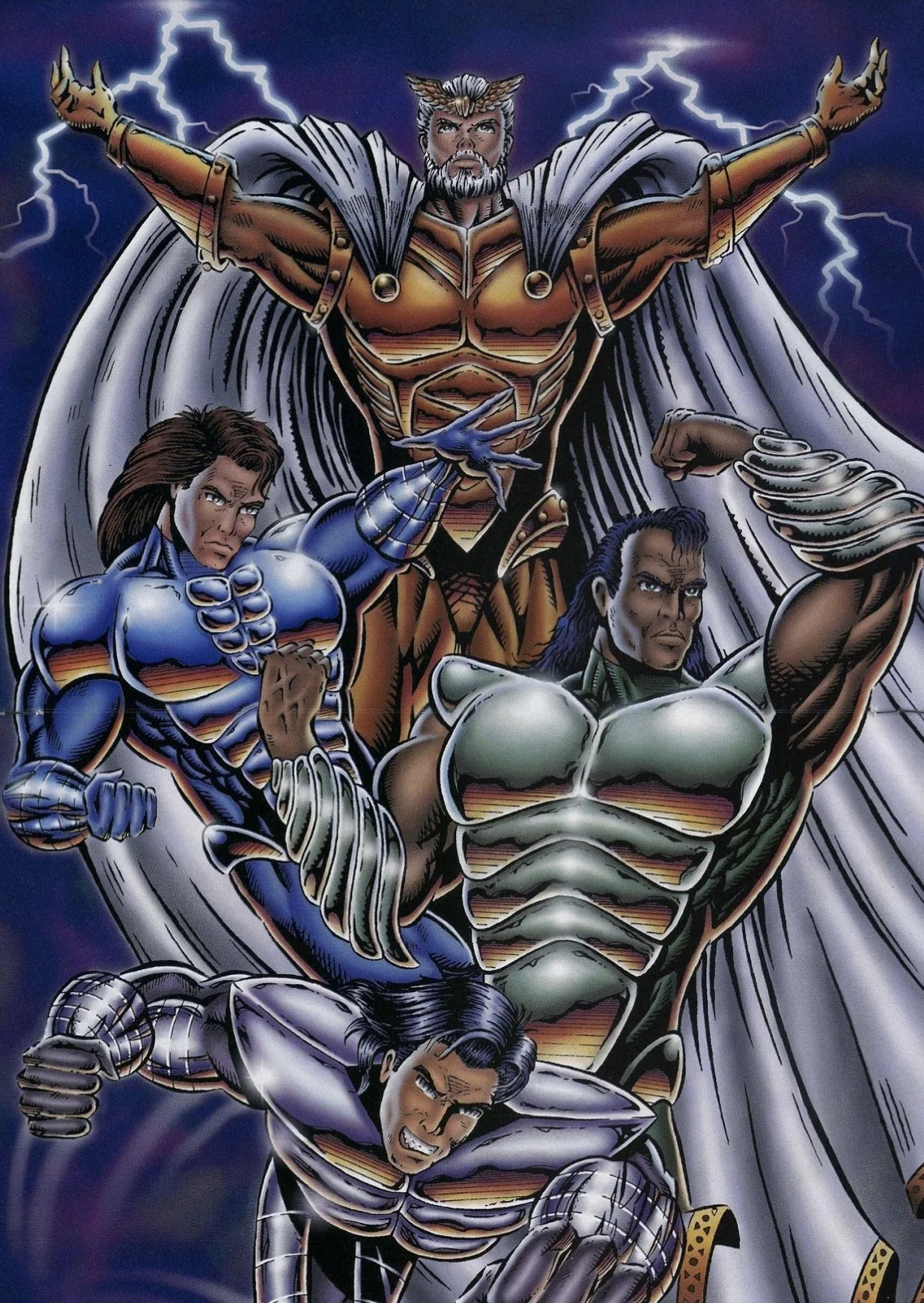
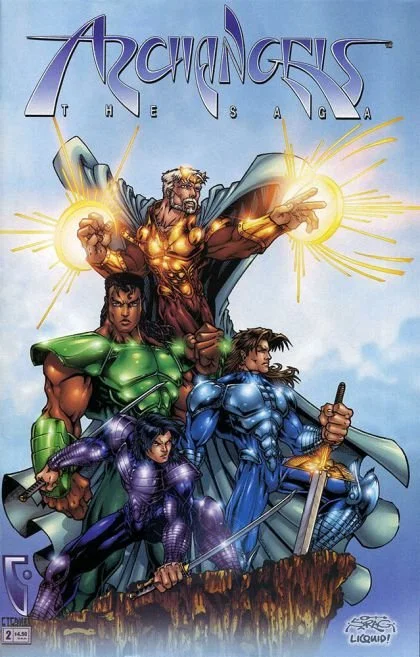
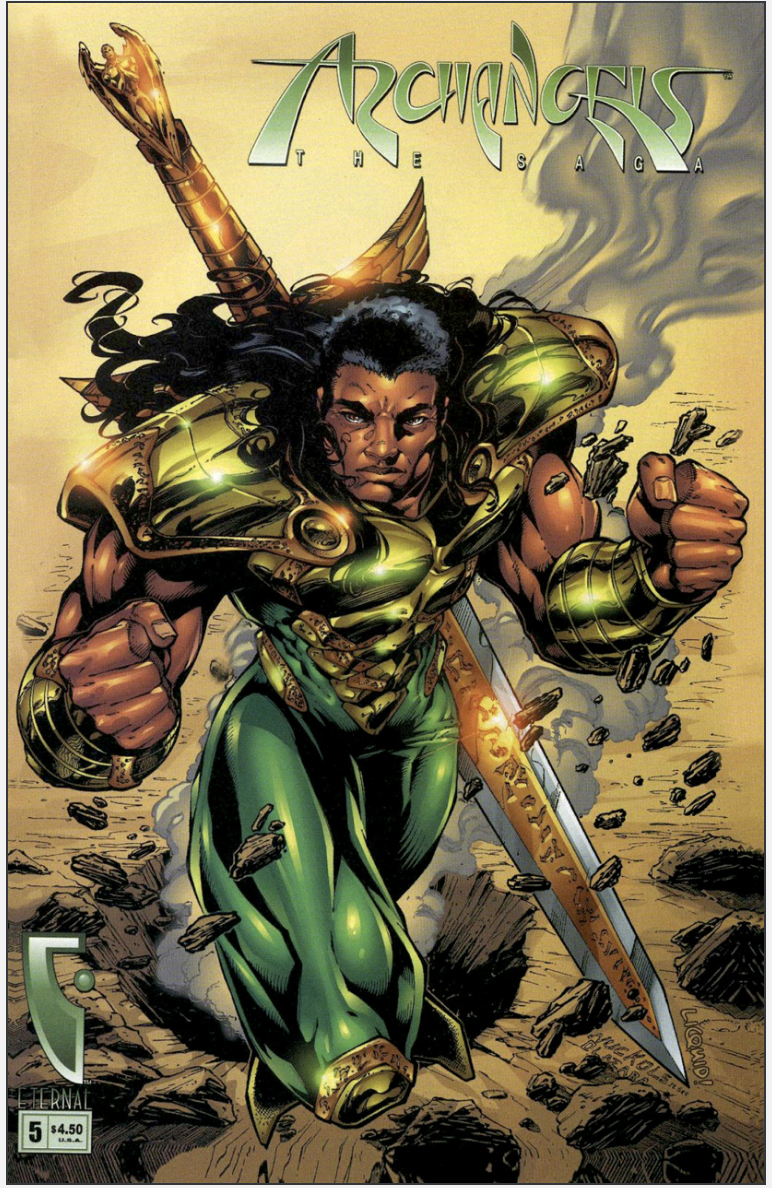
ABOUT ARCHANGELS: THE SAGA (1990s)
This is an example of an independent Christian comic book series during the boom in the rise of inclusive superheroes by white artists that shows how comics creators creators re-imagined mythological, spiritual beings within a more inclusive comics publishing context. The series featured mixed racial representation of angelic figures as supernatural (super) heroes.
-
![]()
Archangels: The Saga
Sill, Patrick (writer), Gene Colan (artist), and Peter Gross (artist). Archangels: The Saga. Dallas: Eternal Studios.
-
![]()
Archangels: The Saga
Sill, Patrick (writer), Gene Colan (artist), and Peter Gross (artist). Archangels: The Saga. Dallas: Eternal Studios.
-
![]()
Archangels: The Saga
Sill, Patrick (writer), Gene Colan (artist), and Peter Gross (artist). Archangels: The Saga. Dallas: Eternal Studios.
-
![]()
Archangels: The saga
Sill, Patrick (writer), Gene Colan (artist), and Peter Gross (artist). Archangels: The Saga. Dallas: Eternal Studios.
-
![]()
Archangels: The Saga
Sill, Patrick (writer), Gene Colan (artist), and Peter Gross (artist). Archangels: The Saga. Dallas: Eternal Studios.