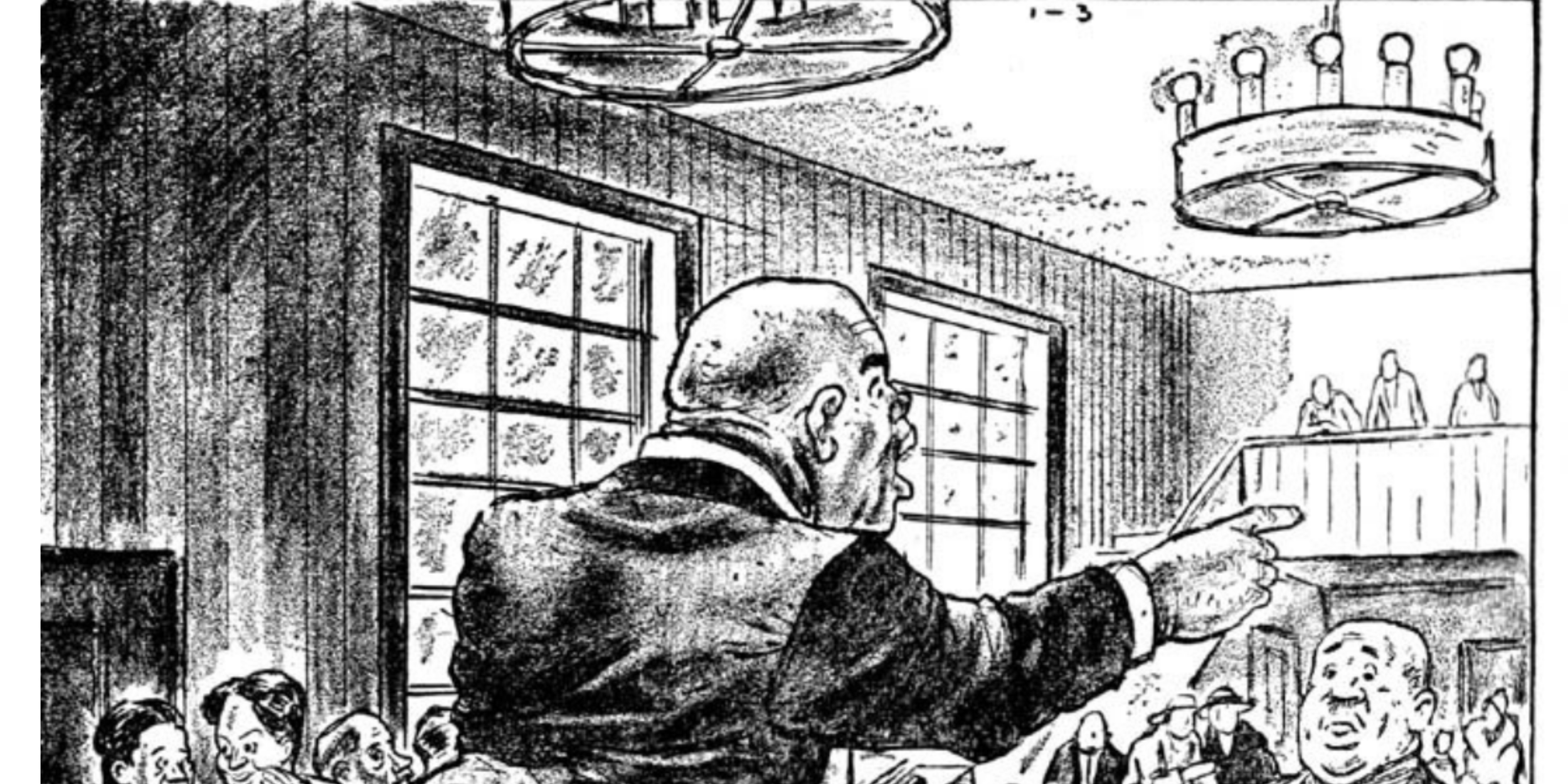
detail from Ollie Harrington’s “Dark Laughter”
HOLY HERoES


comics, cartoons, and Black religion
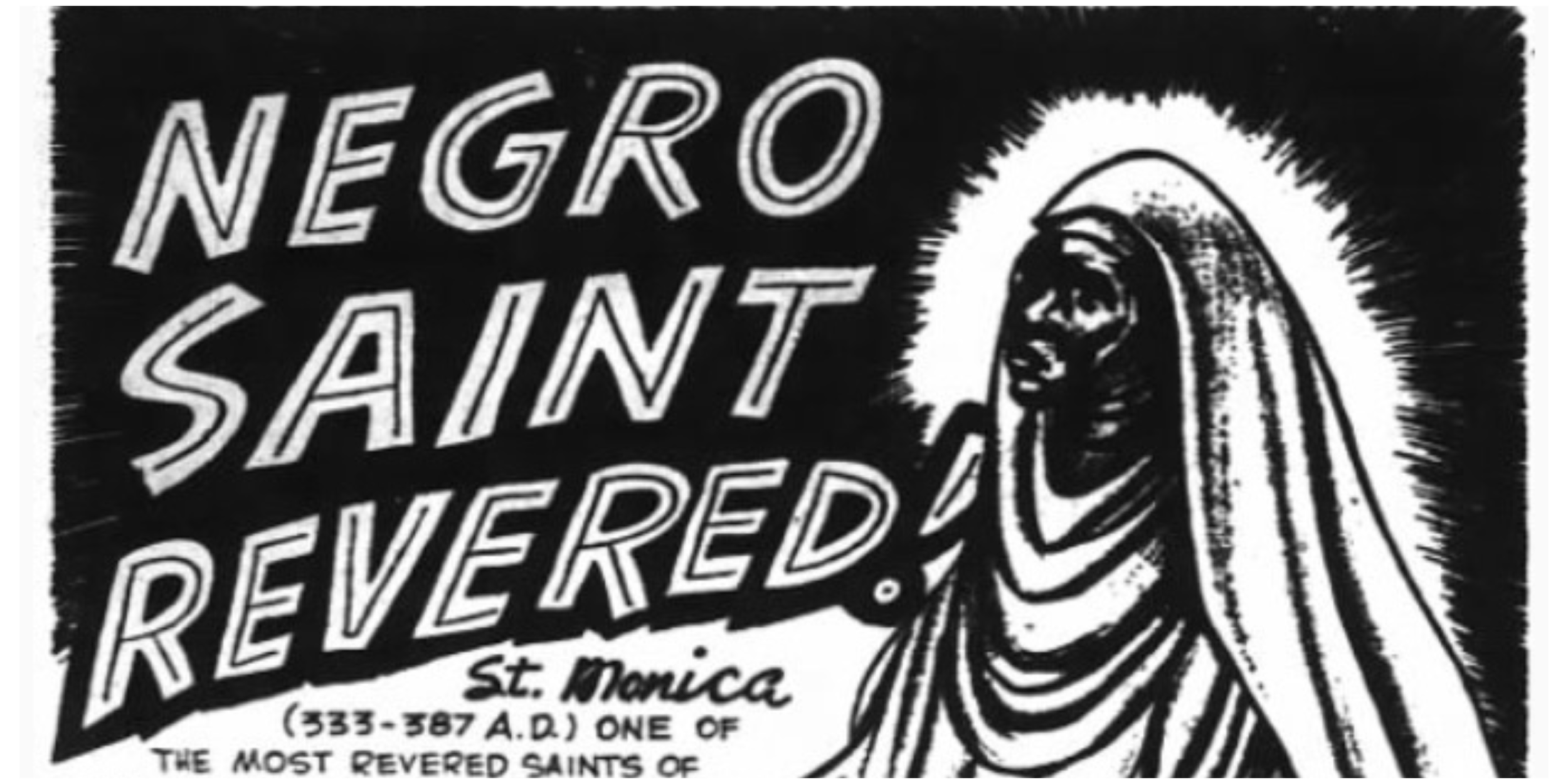
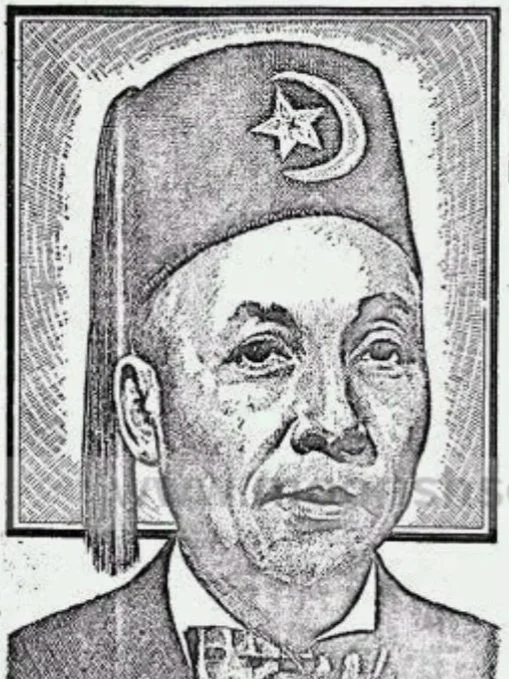
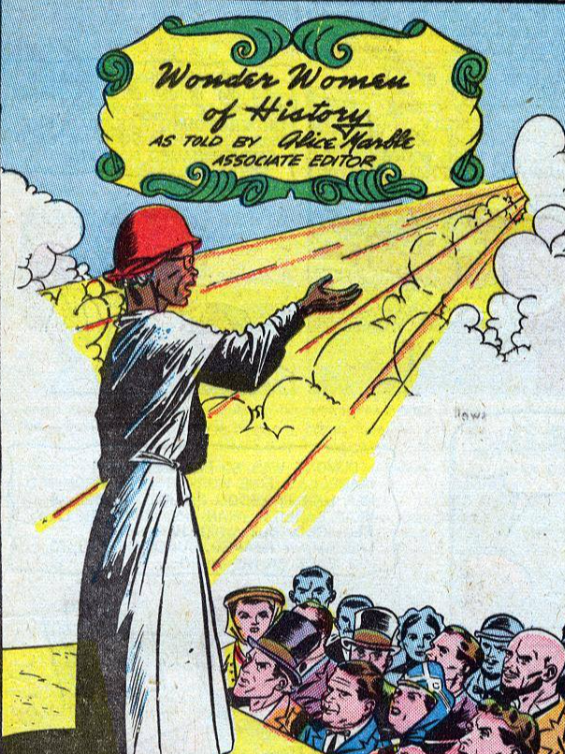
HOLY HEROES is a digital exhibition curated by Dr. Yvonne Chireau that chronicles Black religious presence in comics, cartoons, and related print media. It brings together the histories of race, religion, and visual media through images from comics, cartoons, and comic books. The site opens a window onto African American religions as they have been rendered in print media. Visitors can browse curated timelines and explore the visual record of Black sacred life in comics media.
focal images
Islam
Christianity
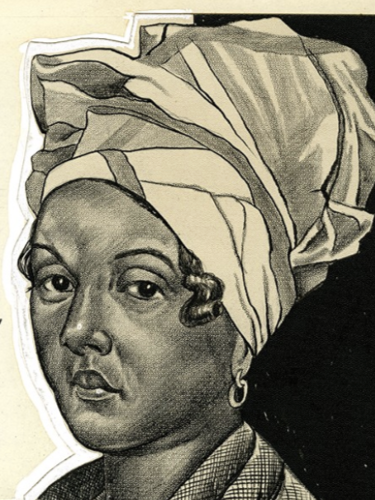
African Diasporic Religions
what to know
-
Cartoons are compressed, readable picture-images. Accessibility and Speed - Cartoons convey complex political ideas quickly through visual shorthand. Exaggeration, caricature, and symbolism made their messages instantly recognizable, even to illiterate audiences and visual readers. Some of their visual symbols could communicate across race and class lines in ways text couldn't.
-
The exaggerated nature of caricature in cartooning provides some cover for criticism. A cartoon could mock figures in ways that might be risky if stated directly in text. The "it's just a joke" defense of satire has always offered a thin but commonly used shield. Caricature amplifies features and situations to provoke emotional responses - laughter, outrage, sympathy. There is an emotional impact.
Caricatured cartoons were political and ideological. They used visual rhetoric to convey a perspective, which made them perfect for religious organizations and sponsors of religion. Cartoons are typically single-panel editorial illustrations with a message. They're standalone images, with minimal text (captions, labels, speech bubbles). Cartoons use a short-hand to make their point in condensed ways by packing a lot of information into view. These can be drawn caricatures that distill information, or they can be representationally realistic. The writing in these is limited, for the story and the meaning is concentrated in the art itself.
-
Comics are also known as sequential art or visual stories. Comics are discrete, usually with multiple panels telling a story or joke through progression and unfold over time. They might be long form or short form. They serve to convey information and entertain through storytelling progression using the graphic form.
The key difference between comics and cartoons is that the former embed culture within narrative and character development, while cartoons are immediate and use exaggeration and caricature to deliver the message in a condensed way. Another difference has to do with format: cartoons are typically single-panels and comics are multi-panel and sequential.
It is important to note that when looking at comic books, the exhibit, by and large, focuses less on large commercial publishers of comic books, than specialized, niche and independent titles. The artifacts move among religious-community publishing, Black-owned or Black-directed media, independent work, activist materials, and occasional large commercial publishers.
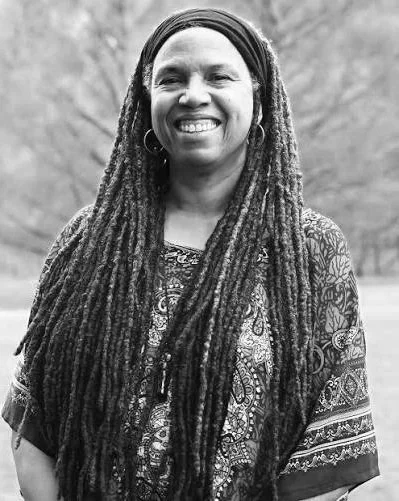
Dr. Yvonne Chireau
is Peggy Chan Professor Emeritus of Black Studies and Professor Emeritus in the Department of Religion at Swarthmore College, where she taught courses on Africana religions and African American religious history. She is the author of Black Magic: Religion and the African American Conjuring Tradition (2003) and lives in Delaware County, Pennsylvania with her family and a three-legged cat. Her writings on Black religion, visual culture, and Voodoo tropes can be found online at .
This website was funded by an Arts Fellows Grant from The Crossroads Project, a collaborative research initiative directed by Judith Weisenfeld, Anthea Butler, and Lerone Martin and supported by the Henry Luce Foundation and Princeton University. Dr. Chireau offers special thanks to Zahrah Butler, Kim Cahill, Briana Eugene, and Megan Goodwin for their invaluable contributions to the development, design, and realization of Holy Heroes. “Mèsi anpil."